
Hindu dharma principles offer timeless guidance for living a meaningful, balanced life. If you’re new to Hindu philosophy basics or curious about ancient Hindu wisdom, these foundational concepts can help you build a strong spiritual foundation.
This guide is perfect for beginners exploring Hindu dharma for beginners, spiritual seekers from any background, and anyone interested in practical wisdom for daily living. You don’t need prior knowledge of Hindu traditions to benefit from these universal principles.
We’ll explore core concepts like ahimsa non-violence hinduism, which teaches compassion toward all living beings and helps create inner peace in your relationships. You’ll also discover how the karma law cause effect shapes every action and decision you make, creating a roadmap for conscious living. We’ll dive into truthfulness in hinduism and how honest communication transforms your connections with others.
You’ll also learn about self-control spiritual growth through simple daily practices that strengthen your willpower and focus. Each principle comes with practical examples you can start using immediately, whether you’re at home, work, or in your community.
These Hindu spiritual practices aren’t just ancient concepts—they’re practical tools for navigating modern challenges with wisdom and clarity. By understanding the dharma righteous path, you’ll discover how to align your actions with your values and create more purpose in everything you do.
Understanding Dharma as Your Life’s Righteous Path

Defining Dharma Beyond Religious Duty
Dharma is one of those Sanskrit words that gets tossed around a lot, but what does it really mean? Think of dharma as your life’s GPS system – it’s not just about following religious rules or rituals. The word itself comes from the root “dhr,” which means “to hold” or “to sustain.” Your dharma righteous path is what holds your life together and gives it meaning.
Most people think dharma equals duty, but that’s like saying a river is just water flowing downhill. Sure, duty is part of it, but dharma is much bigger. It’s the natural order that keeps everything in balance – from the planets spinning around the sun to the way your heart knows to keep beating. For you personally, it’s about living in harmony with your true nature while contributing to the greater good.
Hindu dharma principles teach us that dharma operates on multiple levels. There’s universal dharma (like being honest and kind), social dharma (your role as a parent, citizen, or professional), and personal dharma (your unique gifts and purpose). When these three align, life flows more smoothly.
Discovering Your Personal Dharma Through Self-Reflection
Finding your personal dharma isn’t like picking a career from a list. It requires honest self-examination and patience. Your dharma lives at the intersection of what you’re naturally good at, what the world needs, and what brings you deep satisfaction.
Start by paying attention to what energizes you versus what drains you. When do you lose track of time because you’re so engaged? What problems do you naturally want to solve? Your dharma often shows up in childhood interests that you may have dismissed as “impractical.”
Ancient Hindu wisdom suggests several practices for dharma discovery:
- Daily meditation and journaling to quiet external noise and hear your inner voice
- Studying sacred texts like the Bhagavad Gita, which explores dharma in depth
- Seeking guidance from mentors who’ve walked similar paths
- Experimenting with different service activities to see what resonates
Remember, your dharma might not look like anyone else’s. Some people are meant to be teachers, others healers, artists, or leaders. The key is authenticity, not comparison.
Balancing Individual Purpose with Universal Principles
Here’s where things get interesting – and sometimes challenging. Your personal dharma can’t exist in a vacuum. It needs to work within the framework of universal principles like truth, compassion, and non-harm.
Let’s say you’re incredibly talented at sales and persuasion. That’s part of your natural dharma. But if you use those gifts to manipulate people into buying things they don’t need, you’re violating universal dharma. The balance comes in finding ways to use your talents that serve both your authentic expression and the greater good.
Hindu philosophy basics teach that this balance isn’t always easy, but it’s essential for spiritual growth. Sometimes you’ll need to sacrifice short-term personal gains for long-term harmony. Other times, honoring your individual path might require going against social expectations.
The Bhagavad Gita offers a perfect example through Arjuna’s dilemma. As a warrior, his personal dharma was to fight, but the universal principle of non-violence made him hesitate. Krishna’s teaching helped him understand that sometimes upholding universal order requires difficult individual actions.
This balance shows up in everyday decisions too. Maybe your dharma involves creative expression, but you also need to support your family financially. The solution isn’t to abandon either responsibility, but to find creative ways to honor both – perhaps through freelance work, teaching your skills, or gradually transitioning toward your true calling.
Embracing Ahimsa for Inner Peace and Compassion

Practicing Non-Violence in Thoughts and Actions
Ahimsa non-violence hinduism forms the cornerstone of spiritual development, asking us to examine our inner landscape first. Your thoughts create the foundation for all actions, so begin by observing the mental chatter that runs through your mind daily. When anger arises toward a difficult colleague or frustration builds during traffic, notice these patterns without judgment. Replace harsh internal commentary with understanding and patience.
Physical non-violence extends beyond obvious acts like avoiding fights. Consider the energy you bring into every room, the tone you use when disagreeing, and the way you handle conflicts at home or work. Choose responses that de-escalate rather than inflame situations. This doesn’t mean becoming passive – you can still advocate for yourself and others while maintaining peaceful intentions.
Start small with daily practices. Before responding to provocative emails, take three deep breaths. When someone cuts you off in line, send them mental well-wishes instead of silent curses. These micro-moments of choosing peace over aggression rewire your default responses over time.
Extending Kindness to All Living Beings
True ahimsa radiates outward from your heart to encompass every creature sharing this planet. This Hindu dharma principle invites you to see the divine spark in animals, plants, and even insects. Many practitioners begin by adopting compassionate dietary choices, though this journey looks different for everyone.
Watch how you interact with pets, wildlife, and nature itself. Do you rush past the neighborhood cat without acknowledgment, or do you pause to appreciate its presence? Small gestures matter – moving a spider outside instead of killing it, feeding birds during winter, or simply walking more mindfully to avoid stepping on ants.
Kindness toward animals often reflects our capacity for compassion toward humans. When you practice gentleness with a nervous dog or patience with a slow-moving elderly pet, you’re cultivating the same qualities that transform human relationships.
Creating Harmony in Relationships Through Gentle Communication
Your words carry tremendous power to heal or harm, making mindful speech essential for practicing ahimsa. Before speaking, especially during disagreements, ask yourself: “Will these words create more peace or more suffering?” This simple pause can prevent countless arguments and hurt feelings.
Gentle communication doesn’t mean avoiding difficult conversations. Instead, approach challenging topics with curiosity rather than accusation. Replace “You always…” statements with “I feel…” expressions. Listen to understand rather than to win arguments.
Practice speaking truthfully but kindly. Sometimes silence serves better than harsh honesty delivered without compassion. When giving feedback or expressing disappointment, focus on specific behaviors rather than character attacks. Remember that tone and body language communicate as powerfully as your actual words.
Avoiding Harm to Yourself Through Positive Self-Talk
The most overlooked aspect of ahimsa involves the violence we inflict upon ourselves through negative self-talk. Notice how often you criticize your appearance, abilities, or decisions throughout the day. This internal aggression creates the same stress responses as external threats.
Replace self-criticism with the kind of encouragement you’d offer a dear friend facing similar challenges. When you make mistakes, respond with learning rather than shame. Your inner voice should become your greatest ally, not your harshest critic.
Set boundaries that protect your mental and physical well-being. Say no to commitments that deplete you without guilt. Prioritize rest, healthy food, and activities that genuinely nourish your spirit. Self-care isn’t selfish – it’s essential preparation for extending authentic compassion to others.
Cultivating Truthfulness in Daily Interactions

Speaking honestly without causing unnecessary pain
Truthfulness in Hindu dharma principles goes beyond simply avoiding lies. It requires finding the delicate balance between honesty and compassion. The Sanskrit term “Satya” encompasses not just factual accuracy, but speaking truth in a way that serves a higher purpose and doesn’t inflict unnecessary harm on others.
When practicing truthful communication, consider the timing, context, and manner of your words. Sometimes brutal honesty can damage relationships and crush spirits without serving any constructive purpose. The ancient texts suggest asking yourself three questions before speaking: Is it true? Is it necessary? Is it kind? If your truth fails any of these tests, silence might be the wiser choice.
This doesn’t mean avoiding difficult conversations or enabling harmful behavior. Instead, it means choosing words carefully and speaking from a place of love rather than judgment. When you must deliver hard truths, do so with gentleness and offer support for positive change.
Living authentically according to your values
Authentic living requires deep self-awareness and the courage to align your actions with your deepest beliefs. Hindu dharma for beginners emphasizes that truthfulness begins within yourself – acknowledging your strengths, weaknesses, desires, and fears without self-deception.
Many people wear masks to please others or fit into societal expectations, but this creates internal conflict and spiritual stagnation. When you live authentically, you honor your true nature while remaining open to growth and transformation. This might mean making unpopular choices that reflect your values or walking away from situations that compromise your integrity.
Authentic living also involves accepting your current stage of spiritual development without pretense. You don’t need to project false wisdom or enlightenment. Instead, embrace your journey with honest self-reflection and genuine commitment to growth.
Key practices for authentic living:
- Regular self-reflection and meditation
- Setting boundaries that protect your values
- Making decisions based on inner wisdom rather than external pressure
- Acknowledging mistakes without shame or defensiveness
Building trust through consistent truthful behavior
Trust forms the foundation of all meaningful relationships, and consistent truthfulness serves as its cornerstone. When your words and actions align consistently over time, others learn they can rely on you. This reliability creates deeper connections and opens opportunities for genuine spiritual community.
Building trust requires patience and persistent commitment to truthful behavior, even in small matters. Breaking promises, telling white lies, or presenting different versions of yourself to different people gradually erodes trust. Conversely, keeping your word, admitting when you’re wrong, and maintaining consistency between your public and private selves strengthens the bonds of trust.
Remember that rebuilding trust after it’s been broken takes time and sustained effort. Hindu spiritual practices teach that every interaction is an opportunity to practice dharma and demonstrate your commitment to truthful living.
Ways to demonstrate trustworthiness:
- Keep commitments, no matter how small
- Admit mistakes promptly and take responsibility
- Share information appropriately without gossiping
- Maintain confidentiality when trusted with sensitive information
- Show up consistently in both good times and challenging moments
Developing Self-Control for Spiritual Growth
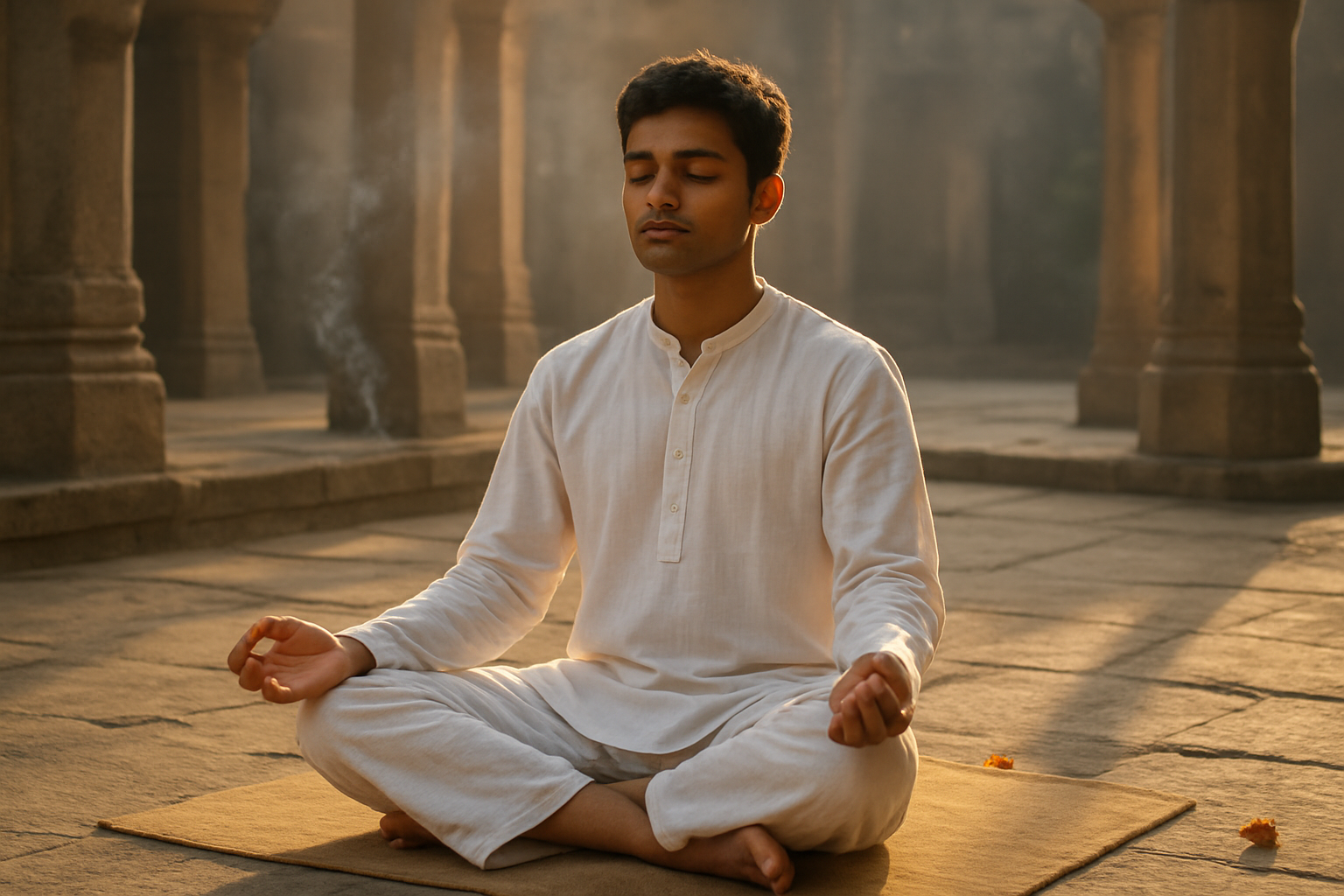
Managing Desires and Impulses Mindfully
Self-control spiritual growth begins with recognizing that desires are natural but don’t have to control us. When cravings arise—whether for food, material possessions, or emotional reactions—pause before acting. This moment of awareness creates space between impulse and response, allowing wisdom to guide decisions rather than automatic reactions.
Ancient Hindu texts teach that desires themselves aren’t the problem; it’s our attachment to them that causes suffering. Practice observing your wants without immediately fulfilling them. Notice how desire feels in your body, acknowledge it, then choose your response consciously. This builds mental strength and helps you distinguish between genuine needs and fleeting wants that often lead to regret.
Practicing Moderation in Consumption and Pleasure
The middle path offers freedom from both extreme indulgence and harsh denial. Rather than completely avoiding pleasures, enjoy them mindfully and in appropriate measure. When eating, savor your food slowly and stop when satisfied. When seeking entertainment, choose activities that uplift rather than drain your energy.
Moderation teaches balance—a cornerstone of Hindu dharma principles. This applies to work, rest, relationships, and spiritual practice. Too much of anything, even meditation or exercise, can become imbalanced. Regular assessment of your habits helps maintain harmony between material needs and spiritual aspirations.
Strengthening Willpower Through Regular Discipline
Daily practices build willpower like exercises build muscle. Start small with commitments you can maintain consistently—perhaps waking at the same time daily or spending ten minutes in reflection. These simple acts of discipline create momentum for larger changes.
Regular spiritual practices like meditation, prayer, or studying sacred texts strengthen resolve while connecting you to higher purpose. Choose practices that resonate with your nature rather than forcing yourself into rigid routines that create resistance. Consistency matters more than intensity.
Finding Freedom Through Conscious Choices
True freedom comes not from doing whatever you want, but from choosing what aligns with your highest values. Every decision becomes an opportunity to either strengthen or weaken your character. When faced with choices, ask yourself: “Does this action support my growth and wellbeing? Does it honor the divine within me and others?”
Conscious living means taking responsibility for your responses to life’s situations. You may not control external events, but you always have the power to choose your attitude and actions. This understanding transforms challenges into opportunities for spiritual development and deepens your connection to the righteous path of dharma.
Practicing Cleanliness for Physical and Mental Purity
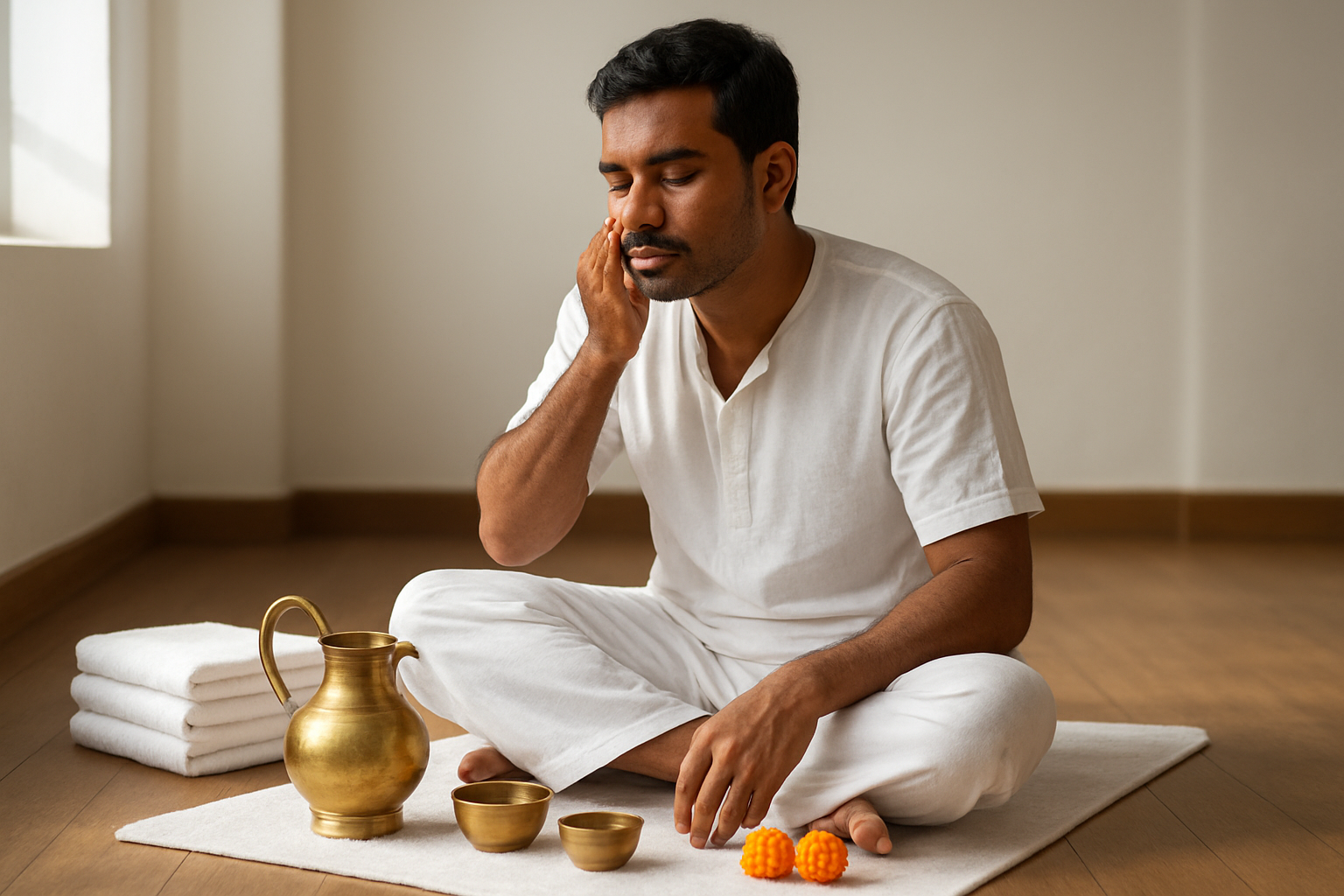
Maintaining Bodily Hygiene as Spiritual Practice
Cleanliness in Hindu dharma principles goes way beyond just looking presentable. Your body is considered a temple housing the divine spark, so taking care of it becomes a sacred act. Daily bathing isn’t just about removing dirt – it’s a ritual that washes away negative energy and prepares you for spiritual practices.
The ancient texts describe specific cleansing rituals that connect physical and spiritual purity. Taking a shower or bath before prayers, meditation, or visiting temples shows respect for the divine presence within and around you. Many practitioners prefer early morning baths, believing this time offers the most purifying energy.
Personal hygiene extends to your breath, teeth, and overall appearance. Keeping your body clean creates mental clarity and helps maintain the right mindset for spiritual growth. When you feel physically fresh, your mind naturally becomes more focused and receptive to higher consciousness.
Keeping Your Living Space Organized and Sacred
Your home reflects your inner state of mind. Creating an organized, clean living environment directly impacts your spiritual well-being. Hindu spiritual practices emphasize that cluttered spaces create mental confusion, while clean spaces promote peace and clarity.
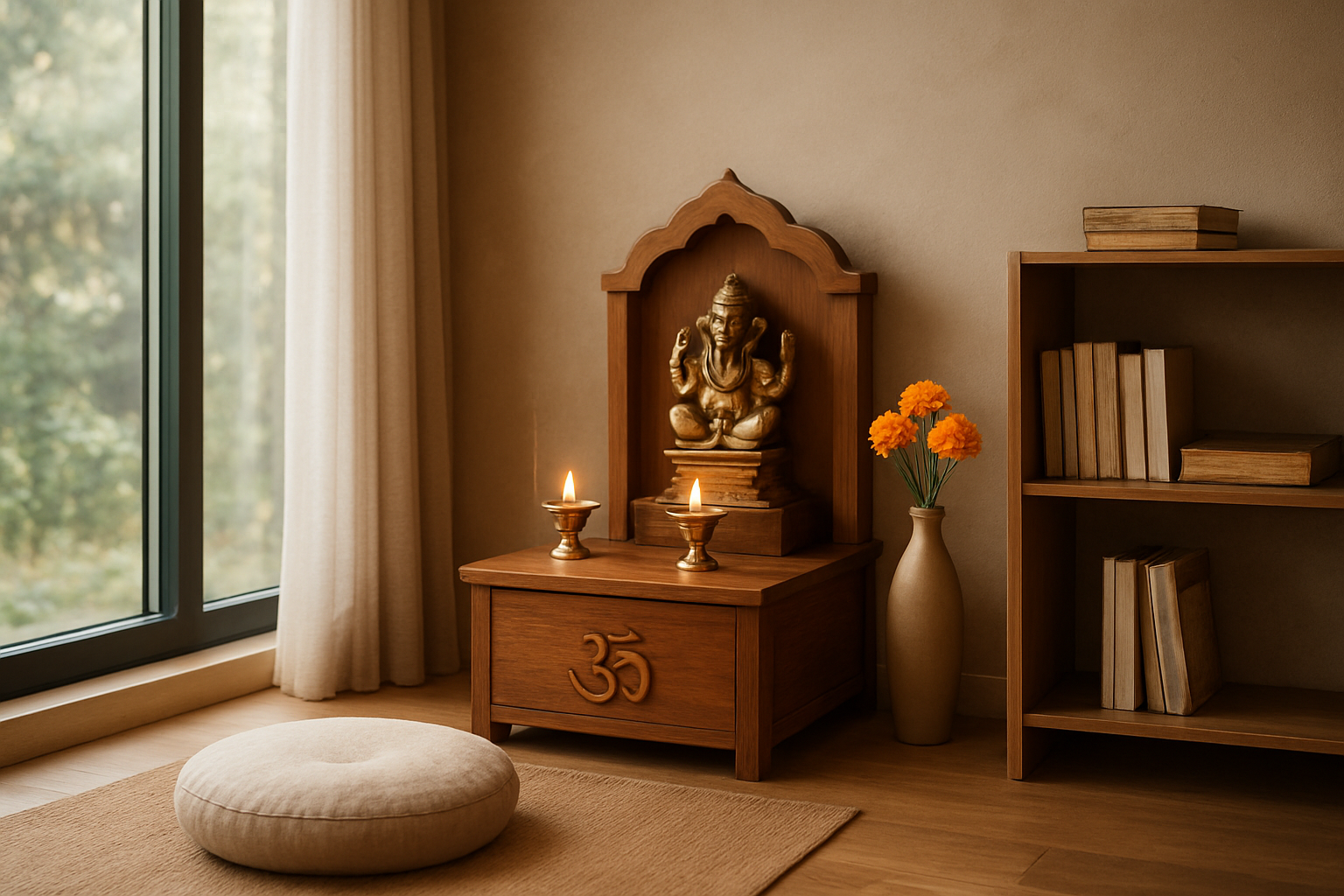
Setting up a small altar or meditation corner in your home establishes a sacred space for daily practice. This doesn’t require expensive items – a simple shelf with a candle, incense, or meaningful objects works perfectly. Regular cleaning of this space maintains its spiritual energy.
Organization goes beyond just tidying up. Arrange your belongings with intention and gratitude. When everything has its proper place, you spend less time searching and more time focusing on what truly matters. Clean windows let in natural light, fresh air circulates positive energy, and removing unnecessary items creates space for new opportunities.
Purifying Thoughts Through Meditation and Positive Thinking
Mental cleanliness requires just as much attention as physical cleanliness. Your thoughts shape your reality, so cultivating pure, positive thinking becomes essential for spiritual growth. Negative thoughts create mental pollution that clouds judgment and blocks spiritual progress.
Daily meditation acts like a mental shower, washing away accumulated stress, worry, and negative emotions. Even ten minutes of quiet reflection helps clear mental clutter and reconnect with your inner wisdom. Focus on your breath, repeat meaningful mantras, or simply observe your thoughts without judgment.
Surrounding yourself with positive influences supports mental purity. Choose uplifting books, inspiring conversations, and activities that elevate your consciousness. When negative thoughts arise, acknowledge them without resistance, then gently redirect your attention toward gratitude and hope.
Regular self-reflection helps identify thought patterns that no longer serve you. Replace criticism with compassion, fear with faith, and anger with understanding. This mental housekeeping creates space for wisdom, peace, and spiritual insight to flourish naturally.
Honoring the Divine in All Forms and Beings
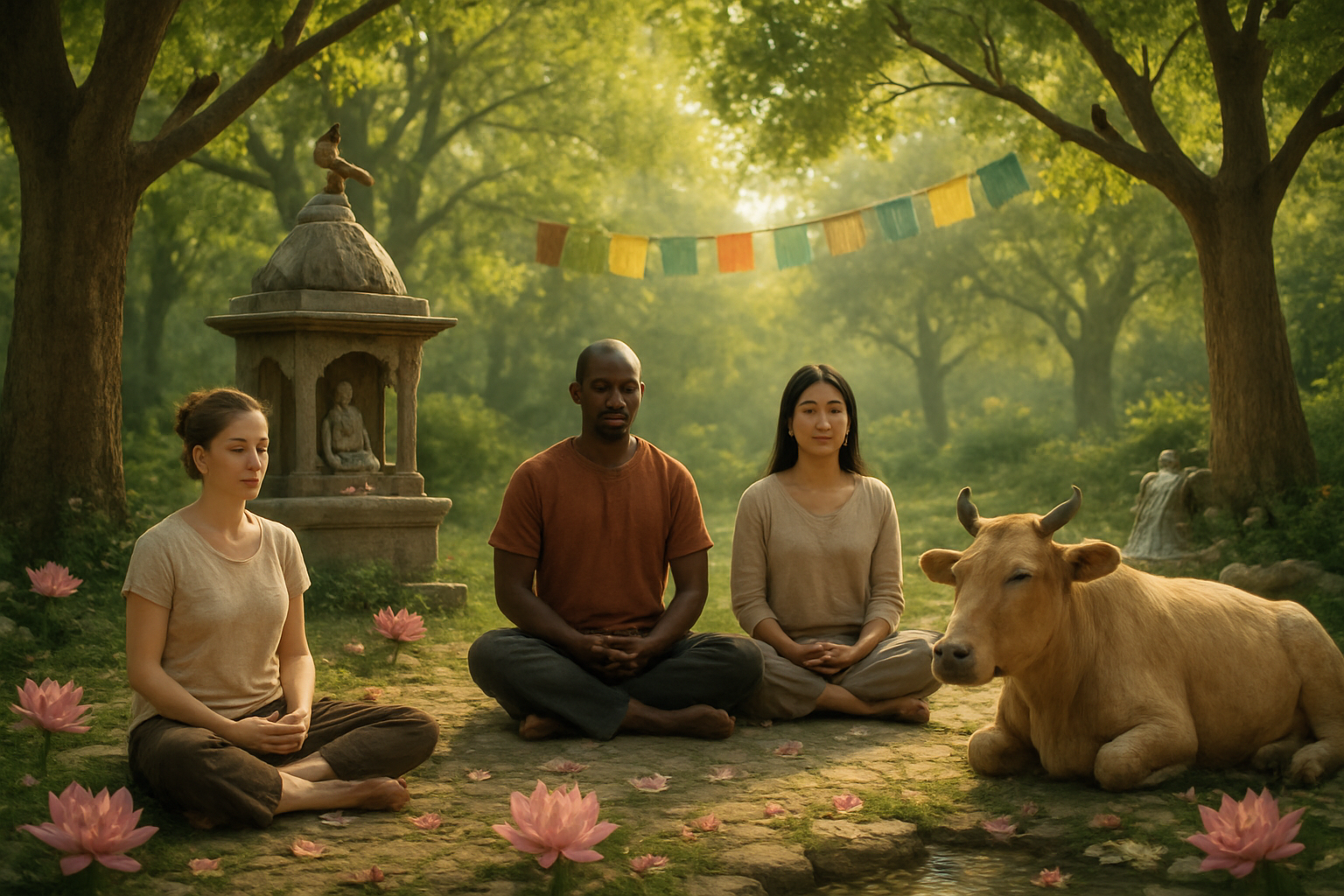
Recognizing the Sacred Presence in Everyday Life
The Hindu spiritual tradition teaches that divinity exists everywhere – not just in temples or sacred spaces, but woven into the fabric of ordinary moments. When you watch a sunrise, feel the warmth of your morning tea, or hear a child’s laughter, you’re witnessing divine energy in action. This awareness transforms mundane activities into spiritual practices.
Start noticing the miraculous in simple things: the way plants grow toward light, how your heart beats without conscious effort, or how water nourishes everything it touches. Ancient Hindu wisdom suggests that Brahman, the universal consciousness, manifests through every atom and experience. Your job isn’t to create this sacred presence – it’s already there. You just need to develop eyes to see it.
Showing Respect for Different Spiritual Expressions
Hindu dharma principles embrace the beautiful truth that the divine reveals itself through countless paths. Some people find God through meditation, others through service, and still others through devotion or knowledge. Rather than judging different approaches, this principle encourages appreciation for the diversity of spiritual seeking.
When someone prays in a way that looks foreign to you, or follows practices you don’t understand, remember they’re climbing the same spiritual mountain from a different trail. The Hindu concept of “Ekam sat vipra bahudha vadanti” – truth is one, but wise people express it in many ways – reminds us that authentic spiritual expressions deserve respect, even when they differ from our own.
Treating Others as Manifestations of the Divine
Every person you encounter carries a spark of the same divine consciousness that exists within you. This perspective radically changes how you interact with others. The difficult coworker, the homeless person you pass on the street, your annoying neighbor – all are expressions of the same universal spirit wearing different costumes.
This doesn’t mean you ignore harmful behavior or fail to set healthy boundaries. Instead, it means approaching others with basic reverence for their inherent divinity. When someone frustrates you, try silently acknowledging the divine within them. You’ll find this practice softens your reactions and opens space for more compassionate responses.
Creating Reverence Through Daily Gratitude Practices
Gratitude becomes a bridge between ordinary consciousness and spiritual awareness. When you genuinely appreciate what you have, you naturally recognize the divine forces that make your life possible. Start small: thank the sun for its warmth, your food for nourishing you, or your body for carrying you through the day.
Create simple rituals that honor the sacred in everyday life. Light a candle before meals and acknowledge all the hands that brought food to your table. Take a moment each morning to appreciate your breath, recognizing it as a gift from the cosmos. These practices gradually train your mind to see divinity everywhere, transforming your entire relationship with existence.
Understanding Karma as the Law of Cause and Effect
Taking Responsibility for Your Actions and Choices
The karma law cause effect principle places personal accountability at the heart of spiritual growth. Every thought, word, and action creates ripples that extend far beyond the immediate moment. This cosmic law operates without prejudice, recording each intention and deed with perfect precision.
When you understand karma deeply, blame and victimhood lose their grip on your mindset. Instead of pointing fingers at circumstances or other people, you begin examining your own choices. This shift transforms challenges into opportunities for growth. Your current situation reflects past decisions, both conscious and unconscious, creating a direct link between your actions and their consequences.
Personal responsibility means acknowledging that you are the architect of your destiny. While external factors influence your life, your responses to these situations determine your spiritual trajectory. The person who reacts with anger creates negative karma, while someone who responds with patience and understanding generates positive energy.
Recognizing How Past Actions Shape Present Circumstances
Your present moment carries the accumulated weight of countless previous choices. The relationships you enjoy today stem from kindness shown to others in the past. Financial struggles might reflect earlier instances of greed or waste. Health challenges could connect to neglecting your body or harboring resentment.
This connection doesn’t always appear obvious or immediate. Sometimes karma takes years or even lifetimes to manifest. A generous heart cultivated over time attracts abundance, while persistent dishonesty eventually leads to broken trust and isolation. The seeds you planted yesterday are blooming in today’s garden.
Understanding this pattern helps you make sense of seemingly random events. Instead of viewing hardships as unfair punishments, you can recognize them as natural consequences that offer valuable lessons. This perspective brings peace and clarity to difficult situations.
Past karma also explains why some people seem naturally blessed while others struggle despite their best efforts. Previous lifetimes of service and compassion create favorable conditions, while selfishness and cruelty generate obstacles. This knowledge encourages patience with your current circumstances while motivating positive changes.
Creating Positive Karma Through Selfless Service
Selfless service, known as seva in Sanskrit, represents one of the most powerful ways to generate positive karma. When you help others without expecting anything in return, you align yourself with the universe’s fundamental principle of interconnectedness. This practice dissolves the ego’s boundaries and opens your heart to divine love.
Small acts of kindness create immediate positive karma. Helping an elderly neighbor with groceries, listening to a friend’s problems, or feeding stray animals all contribute to your spiritual bank account. These actions don’t require special skills or resources – just genuine compassion and willingness to serve.
Larger commitments to service multiply these benefits exponentially. Volunteering at homeless shelters, teaching underprivileged children, or caring for sick relatives creates profound karmic merit. The key lies in your motivation: pure service comes from love, not from desire for recognition or reward.
Hindu dharma principles emphasize that serving others is actually serving the divine presence within them. When you clean up litter in a park, you’re honoring the earth as a sacred manifestation of God. When you comfort someone in pain, you’re touching the divine spark that connects all beings.
Consistent selfless service gradually transforms your consciousness. You begin seeing opportunities to help everywhere, and giving becomes as natural as breathing. This transformation creates an upward spiral where positive actions generate positive circumstances, which inspire even more service.
The beauty of karma lies in its perfect justice and endless opportunity for growth. Every moment offers a chance to plant seeds of happiness or suffering. Choose wisely, and your future will bloom with the flowers of your present compassion.
Accepting Life’s Cycles with Grace and Wisdom
Embracing both joy and sorrow as learning opportunities
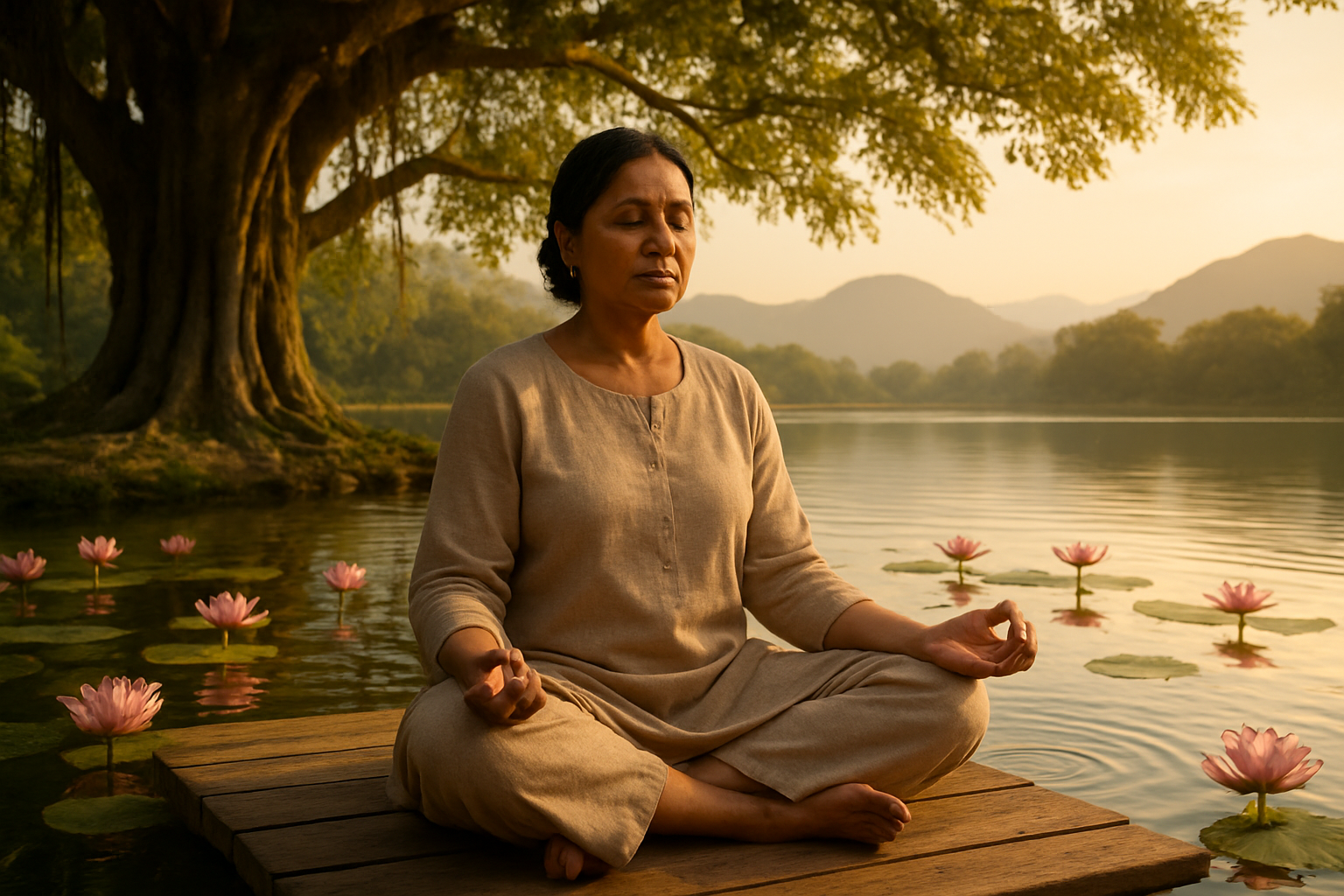
Life constantly presents us with moments of celebration and heartbreak, often within the same day. Hindu dharma principles teach us that both experiences carry equal value for our spiritual growth. When we receive good news or achieve something meaningful, we learn about gratitude, humility, and the temporary nature of external success. These joyful moments remind us to appreciate what we have while staying grounded in our spiritual practice.
Difficult times serve as powerful teachers too. Loss, disappointment, and struggle reveal our inner strength and push us toward deeper wisdom. They strip away illusions about what truly matters and often bring us closer to understanding our authentic selves. Each challenging experience becomes a doorway to greater compassion, both for ourselves and others who face similar struggles.
The key lies in approaching both types of experiences with an open heart and curious mind. Instead of clinging desperately to happy moments or pushing away painful ones, we can ask: “What is this situation trying to teach me?” This perspective transforms every experience into spiritual education rather than something that simply happens to us.
Understanding impermanence in all situations
Everything in this physical world changes constantly – our bodies, relationships, circumstances, and even our thoughts shift from moment to moment. Recognizing this fundamental truth helps us hold life’s experiences more lightly. When we truly grasp impermanence, we stop trying to freeze perfect moments or panic when things go wrong.
Think about how seasons change naturally without resistance. Spring doesn’t try to hold onto winter, and autumn doesn’t fight against summer’s end. Each phase has its own beauty and purpose before giving way to what comes next. Our lives follow similar patterns – periods of growth, abundance, decay, and renewal cycle through our personal experiences.
This understanding brings tremendous relief. Bad situations won’t last forever, but neither will good ones. We can enjoy positive experiences fully while they’re here without the anxiety of losing them, and we can endure difficult phases knowing they will eventually pass. This awareness helps us stay present instead of constantly worrying about the future or dwelling on the past.
Finding peace through surrender to divine will
Surrender doesn’t mean giving up or becoming passive about our lives. True surrender means doing our best while releasing our tight grip on specific outcomes. We plan, work, and care deeply about our goals, but we also accept that forces beyond our control influence the final results.
This practice requires trust in something greater than our limited perspective. Whether you call it God, the universe, or divine consciousness, surrendering means believing that life’s bigger picture serves our highest good even when we can’t see how. Sometimes the job we didn’t get leads to a better opportunity, or the relationship that ended makes space for deeper love.
Surrender transforms frustration into peace. Instead of fighting against what’s happening or exhausting ourselves trying to control everything, we learn to flow with life’s current while staying true to our values and dharma. This doesn’t mean being careless or irresponsible – it means combining sincere effort with graceful acceptance of whatever unfolds.
Growing stronger through life’s challenges
Challenges don’t just happen to us randomly – they often arrive precisely when we need them for our growth. Like physical exercise that builds muscle through resistance, life’s difficulties develop our emotional and spiritual strength. Each obstacle we overcome increases our confidence for handling future situations.
Problems also reveal capabilities we didn’t know we had. People discover they’re braver than they thought during crises, more creative when facing limitations, or more resilient after experiencing loss. These discoveries about our inner resources become permanent parts of our identity that no external circumstance can take away.
The Hindu dharma principles remind us that challenges serve the soul’s evolution. When we view difficulties as training rather than punishment, we approach them with curiosity instead of victimhood. We ask better questions: “How might this situation be serving my growth?” or “What strength is this challenge helping me develop?” This shift in perspective transforms suffering into spiritual education and personal empowerment.
Serving Others as Path to Self-Realization
Discovering fulfillment through helping those in need
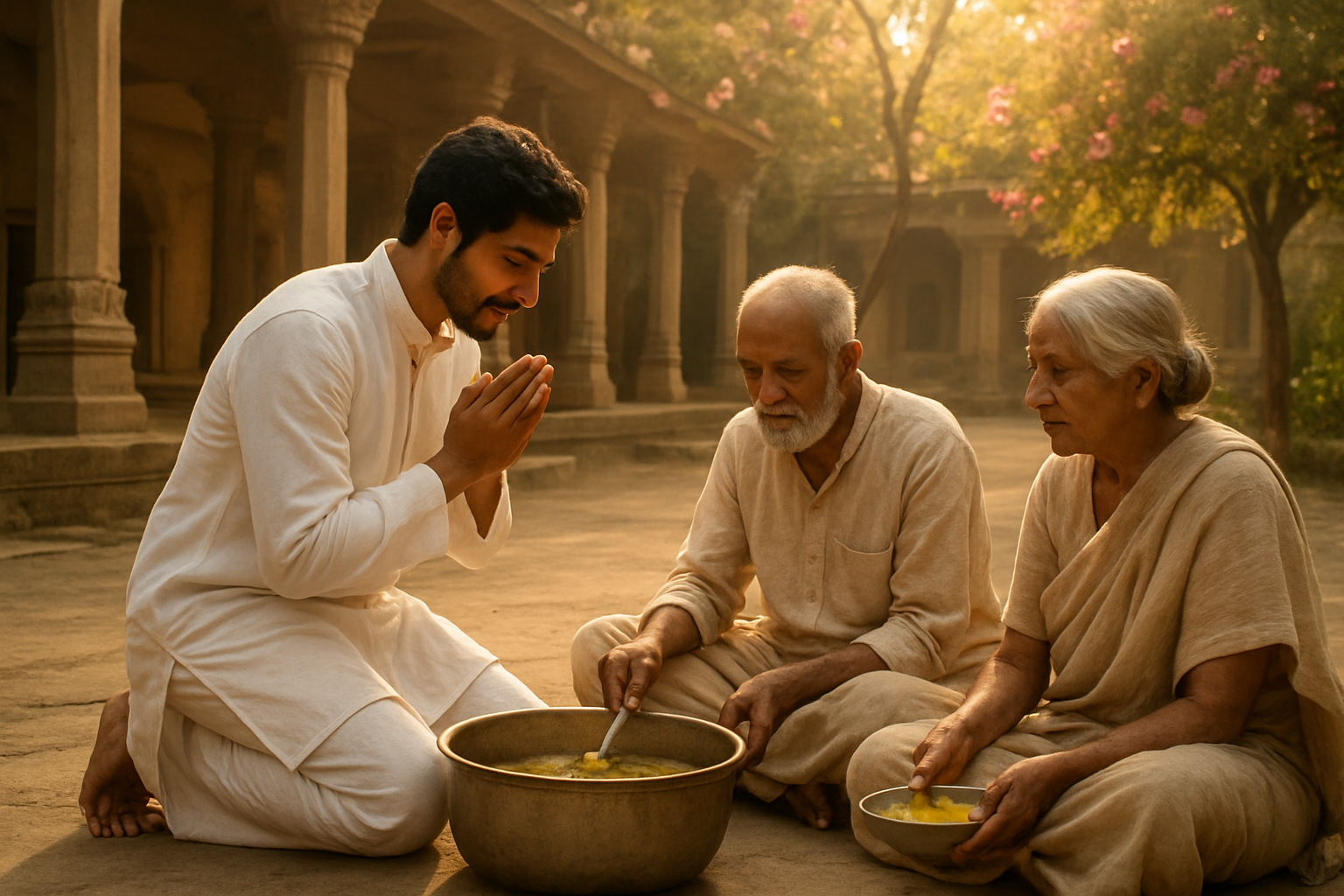
Serving others sits at the heart of Hindu spiritual practice, offering a direct path to understanding your true nature. When you help someone in genuine need, something magical happens – the boundaries between “you” and “them” begin to dissolve. This isn’t just feel-good philosophy; it’s a practical method for experiencing the interconnectedness that Hindu dharma principles teach.
The Sanskrit concept of “seva” goes beyond simple charity. It represents selfless service that transforms both the giver and receiver. Every act of kindness creates ripples that extend far beyond the immediate moment. Whether you’re feeding the hungry, comforting the grieving, or simply listening to someone who feels alone, you’re practicing one of the most powerful Hindu spiritual practices available.
This service doesn’t require grand gestures. Small, consistent acts often create more lasting change than occasional dramatic efforts. The key lies in approaching each opportunity with genuine care rather than obligation. When you serve from the heart, you naturally begin to see the divine spark in everyone you encounter.
Offering your skills and talents for community benefit
Your unique abilities aren’t accidents – they’re gifts meant to be shared with the world. Hindu philosophy basics teach that everyone possesses specific talents that can benefit their community. A teacher shares knowledge, an artist brings beauty, a cook nourishes bodies, and a listener provides comfort. Each contribution matters equally in the grand tapestry of human experience.
Consider what comes naturally to you. Maybe you’re good with numbers, have a knack for gardening, or possess excellent organizational skills. These aren’t just personal advantages – they’re opportunities to serve. When you volunteer your time and expertise, you’re participating in the ancient tradition of contributing to collective wellbeing.
The beauty of skill-sharing lies in its mutual benefits. While helping others, you often discover new aspects of your own capabilities. Teaching someone else frequently deepens your own understanding. Organizing community projects develops leadership qualities you might not have known you possessed. This reciprocal growth exemplifies how serving others becomes a path to self-realization.
Practicing compassion without expecting rewards
True seva involves releasing attachment to outcomes or recognition. This doesn’t mean being careless about results, but rather serving with a pure heart that doesn’t keep score. When you help someone expecting gratitude, praise, or future favors, the service becomes transactional rather than transformational.
Ancient Hindu wisdom teaches that selfless service naturally purifies the heart and mind. Each act of compassion without expectation weakens the ego’s grip and strengthens your connection to something greater than yourself. This practice gradually dissolves the illusion of separation that causes so much human suffering.
The karma law cause effect principle applies here beautifully. When you serve without seeking rewards, you create positive energy that returns in unexpected ways. However, the real reward isn’t external – it’s the inner peace and fulfillment that comes from living in alignment with your highest nature. This shift from “what can I get?” to “what can I give?” marks the beginning of genuine spiritual transformation.
Integrating Ancient Wisdom into Modern Living
Adapting Traditional Practices to Contemporary Lifestyle
Traditional Hindu practices don’t require you to abandon your modern life or retreat to a mountain cave. You can weave ancient wisdom into your busy schedule with small, meaningful adjustments. Morning meditation can happen during your commute using guided apps, while mindful breathing becomes part of your office routine between meetings.
Instead of lengthy prayer sessions, try incorporating brief moments of gratitude throughout your day. Thank the universe while brewing your coffee, or practice mindful awareness while washing dishes. These simple acts transform mundane tasks into spiritual practices that honor Hindu dharma principles.
Technology becomes an ally rather than an obstacle. Use smartphone reminders for mantras, follow yoga videos during lunch breaks, or listen to spiritual podcasts while exercising. The key lies in consistency rather than duration – five minutes of daily practice outweighs sporadic hour-long sessions.
Finding Balance Between Material and Spiritual Pursuits
The ancient concept of dharma teaches that material success and spiritual growth can coexist beautifully. Your career becomes a vehicle for serving others, while financial stability provides the foundation for generous giving and family care. This balance reflects the Hindu philosophy of pursuing all four life goals: dharma (righteousness), artha (prosperity), kama (pleasure), and moksha (liberation).
Start by examining your motivations behind material pursuits. Are you chasing wealth for status, or to create security for your family and opportunities to help others? This shift in perspective transforms ordinary work into dharmic action.
Set boundaries that honor both aspects of life. Dedicate specific times for spiritual practices without guilt about not earning money during those moments. Similarly, engage fully in your professional responsibilities without feeling spiritually disconnected. The integration happens when you bring compassion, honesty, and service-mindedness to your workplace while maintaining regular spiritual practices at home.
Creating Daily Rituals That Connect You to Dharmic Principles
Design simple daily rituals that anchor you to Hindu dharma principles without overwhelming your schedule. Begin each morning by setting an intention aligned with dharmic values – perhaps choosing to practice patience during challenging conversations or finding opportunities to serve others.
Create transition rituals between different parts of your day. Take three conscious breaths before entering your home, transforming your space into a sacred environment. Practice gratitude before meals, acknowledging the interconnectedness that brings food to your table.
Evening reflections become powerful tools for spiritual growth. Spend five minutes reviewing your day through the lens of dharmic principles: Did you practice truthfulness in your interactions? How did you handle moments requiring self-control? These questions help you integrate ancient Hindu wisdom into daily decision-making.
Establish weekly practices that deepen your connection to dharmic principles. Visit a temple, spend time in nature, or engage in community service. These activities reinforce your commitment to righteous living while connecting you to the broader spiritual community that supports your growth journey.
 Hindu dharma offers timeless wisdom that speaks directly to our modern struggles with purpose, relationships, and inner peace. These ten principles—from living righteously and practicing non-violence to embracing truthfulness and self-control—create a foundation for meaningful living that transcends religious boundaries. When you honor the divine in others, understand karma’s natural flow, and serve your community, you’re not just following ancient rules but building a life of genuine fulfillment.
The beauty of these teachings lies in their simplicity and practicality. You don’t need to overhaul your entire existence overnight. Start small—speak more truthfully, show compassion to those around you, or take better care of your physical and mental well-being. As you weave these principles into your daily routine, you’ll discover they naturally guide you toward the clarity and peace you’ve been seeking. Ancient wisdom meets modern life when you make these teachings your own.