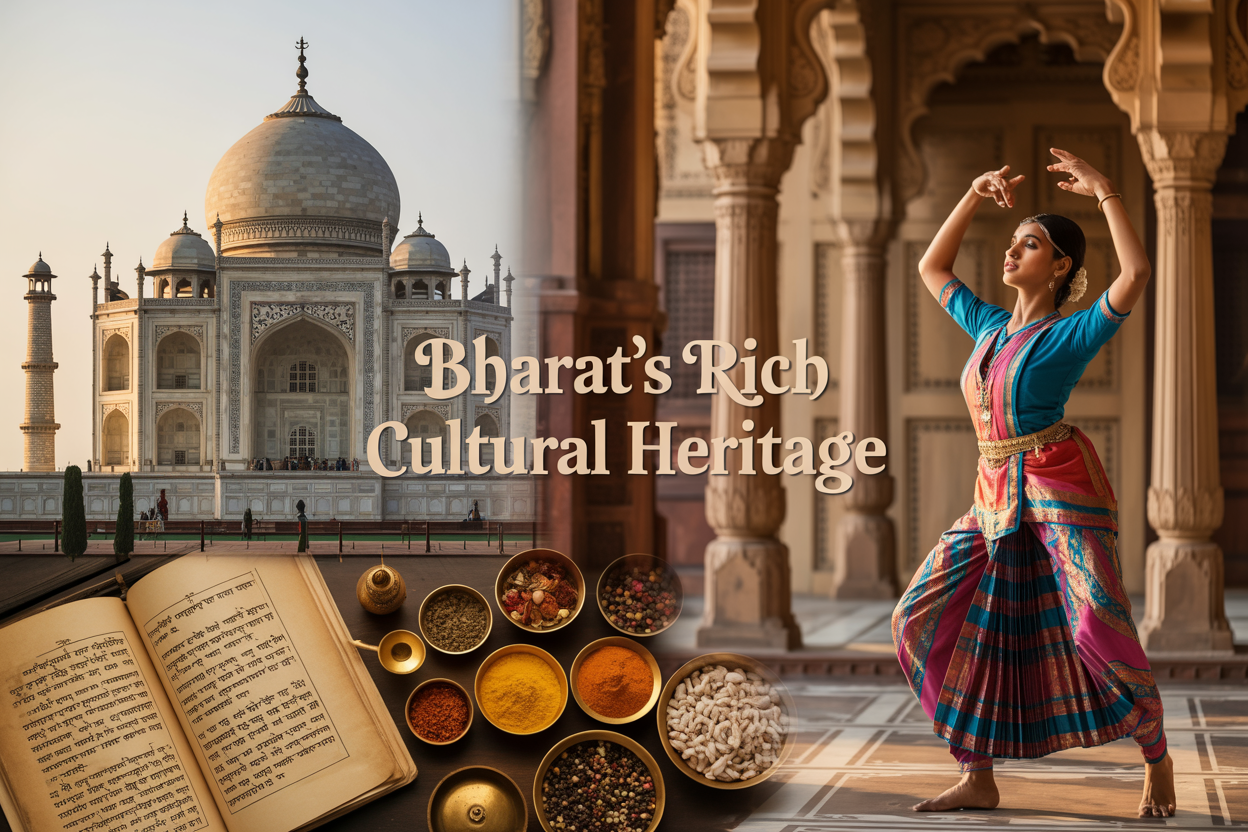
Bharat’s rich cultural heritage spans thousands of years, creating a tapestry of traditions that continues to amaze people worldwide. This ancient land offers treasures that have shaped civilizations and inspired countless generations.
This guide is perfect for culture enthusiasts, travelers planning their Indian adventure, students exploring world heritage, and anyone curious about India’s incredible legacy. You’ll discover why millions of people find themselves drawn to this extraordinary culture.
We’ll explore Bharat’s ancient architecture, from magnificent temples that touch the sky to palaces that tell stories of forgotten kingdoms. You’ll learn about classical arts that have captivated global audiences for centuries, including traditional dance forms and timeless music. We’ll also dive into India’s spiritual practices that offer wisdom and inner peace, plus the incredible diversity of Indian cuisine that creates unforgettable flavor experiences.
Each amazing aspect of Indian cultural heritage reveals something special about this remarkable civilization. Get ready to uncover the secrets behind India’s most treasured traditions and understand why they remain so powerful today.
Ancient Architectural Marvels That Define Timeless Beauty
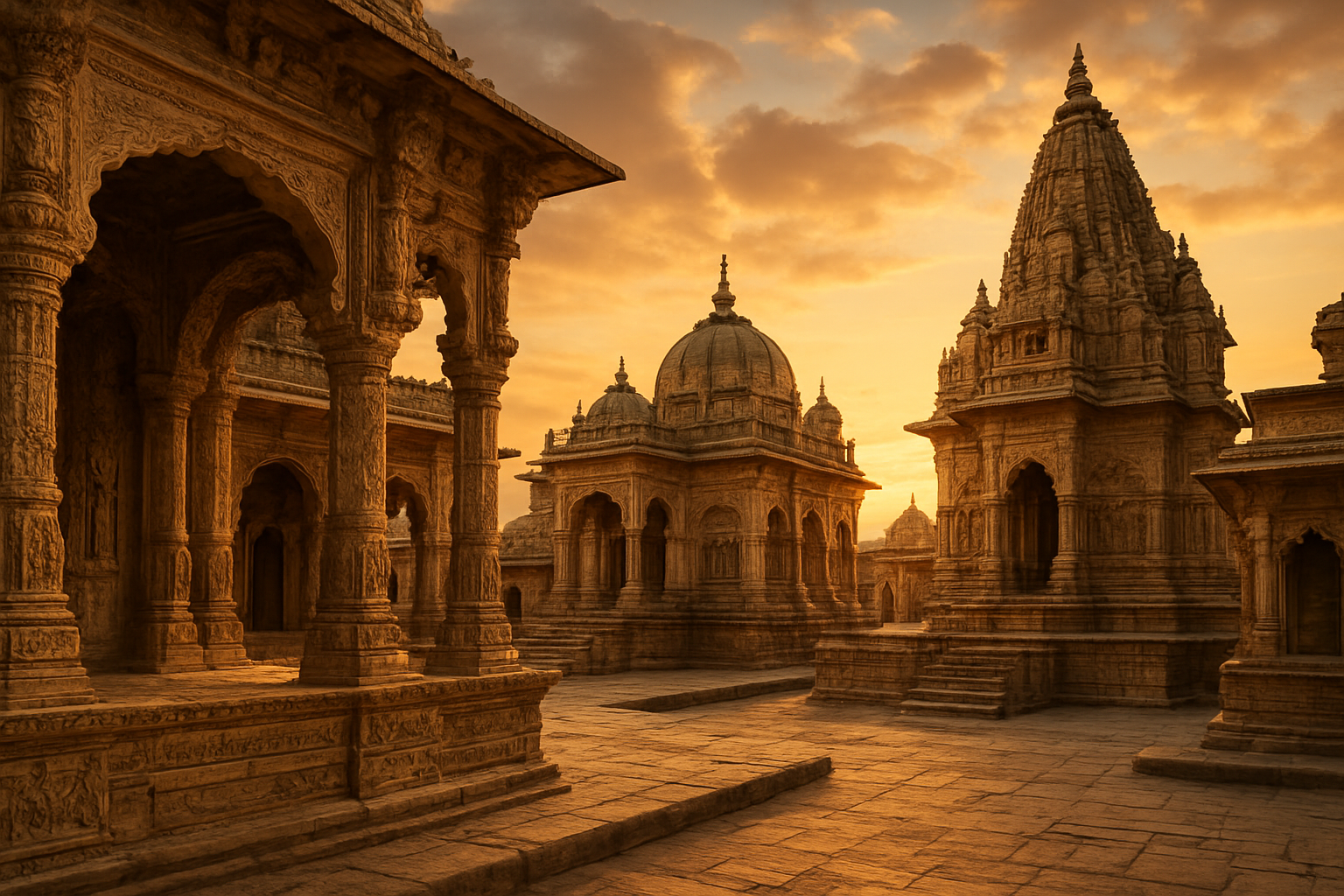
Magnificent temple complexes showcasing divine craftsmanship
Bharat’s Indian temple architecture stands as living proof of ancient builders who pushed creative boundaries beyond imagination. The Brihadeeswarar Temple in Tamil Nadu towers above visitors with its 216-foot granite dome, carved from a single stone weighing 80 tons. Engineers today still scratch their heads wondering how 11th-century craftsmen moved this massive piece to such heights without modern machinery.
Khajuraho’s temples transport you into a world where stone breathes with life. Every surface tells stories through intricate sculptures that capture human emotions, divine tales, and cosmic mysteries. The Kandariya Mahadeva Temple showcases over 900 sculptures, each distinct and purposeful, creating a symphony of art that has captivated visitors for over a thousand years.
The Konark Sun Temple in Odisha resembles a colossal chariot with 24 ornately carved wheels, each functioning as a sundial. This Indian architectural marvel demonstrates how ancient builders combined spiritual symbolism with practical astronomical knowledge, creating structures that serve both worship and scientific observation.
Intricate stone carvings that tell stories of devotion
Walk through any ancient Indian temple and you’ll discover libraries carved in stone. The Hoysala temples of Karnataka feature sculptures so detailed that jewelry appears three-dimensional, and fabric seems to flow in frozen motion. Master craftsmen spent decades perfecting techniques that transformed hard granite into silk-like textures.
Ellora’s Cave 16, the Kailasa Temple, represents the pinnacle of rock-cut architecture. Carved top-down from a single rock formation, this temple complex required removing 400,000 tons of stone. The dedication spans generations, with families of sculptors passing down secret techniques through carefully guarded apprenticeships.
The Bharat ancient architecture tradition includes storytelling through stone panels called “friezes” that wrap around temple walls like ancient comic strips. These visual narratives made complex religious texts accessible to people regardless of literacy levels, democratizing spiritual knowledge through artistic expression.
Innovative engineering techniques surviving millennia
Ancient Indian builders mastered earthquake-resistant construction centuries before modern seismic engineering emerged. The Thanjavur temple’s base weighs more than its tower, creating a natural center of gravity that has withstood countless tremors over 1,000 years. The structure uses interlocking stones without mortar, allowing flexibility during ground movements.
Water management systems in temple complexes showcase hydraulic engineering brilliance. The Pushkarni tanks at Hampi feature stepped wells with precise calculations ensuring year-round water supply. Underground channels connect these tanks, maintaining consistent water levels through seasonal changes using gravity-fed distribution networks.
The acoustic engineering in temples like Chidambaram creates natural amplification where whispers travel clearly across vast halls. Builders understood sound wave properties, designing pillars and ceiling curves that enhance chanting and musical performances. Some pillars at Vijaya Vittala Temple produce musical notes when struck, turning architecture into instruments that have maintained their tuning for centuries.
Classical Arts That Captivate Global Audiences

Soul-stirring dance forms expressing spiritual narratives
Classical dance forms India represent one of the most profound expressions of Bharat’s artistic legacy, where movement becomes a language of devotion and storytelling. Bharatanatyam, originating in Tamil Nadu’s sacred temples, transforms dancers into living sculptures that breathe life into ancient myths. Every gesture carries meaning – from the delicate flutter of fingers representing lotus petals to powerful stomps that echo cosmic rhythms.
Kathak dancers spin like whirling dervishes, their ghungroos creating musical conversations with tabla beats. This North Indian treasure evolved from temple courtyards to Mughal palaces, blending Hindu and Islamic influences into mesmerizing performances that speak directly to the soul.
Odissi, Manipuri, Kuchipudi, and Mohiniyattam each tell unique regional stories while maintaining common threads of spiritual expression. These traditional Indian arts don’t just entertain – they transport audiences into realms where gods walk among mortals, where love transcends earthly boundaries, and where every emotion finds its perfect physical expression.
| Dance Form | Region | Key Characteristics |
|---|---|---|
| Bharatanatyam | Tamil Nadu | Sharp movements, temple origins |
| Kathak | North India | Spinning, storytelling through mime |
| Odissi | Odisha | Sculpturesque poses, temple carvings inspired |
| Manipuri | Manipur | Graceful, circular movements |
Melodic ragas healing minds and hearts
Indian classical arts reach their pinnacle in the intricate raga system that has enchanted listeners for millennia. These aren’t mere musical scales – they’re emotional landscapes painted with sound, each raga designed to evoke specific feelings and even heal particular ailments.
Raag Yaman brings peace to restless minds during evening hours, while Raag Bhairav’s morning meditation qualities help align chakras and prepare consciousness for the day ahead. The therapeutic power of these melodies has caught global attention, with researchers studying how specific ragas can reduce stress, lower blood pressure, and promote mental wellness.
Master musicians spend decades perfecting the subtle microtones that separate one raga from another. Ustad Ravi Shankar introduced Western audiences to this profound musical science, demonstrating how Indian classical music operates on mathematical principles that mirror cosmic harmonies. Hindustani and Carnatic traditions, though distinct in approach, both recognize music’s power to transform consciousness and connect performers with the divine.
Traditional paintings preserving cultural stories
Ancient painting traditions serve as visual libraries, preserving Indian cultural heritage through vibrant colors and intricate details. Madhubani artists from Bihar create geometric patterns that tell stories of Krishna’s playful adventures and Sita’s unwavering devotion. Women have passed down these techniques through generations, turning mud walls into galleries of folk wisdom.
Rajasthani miniature paintings capture royal courts in exquisite detail, where every brushstroke reveals historical narratives and cultural values. Tanjore paintings from Tamil Nadu shimmer with gold leaf, creating divine portraits that seem to glow with inner light. These aren’t just decorative pieces – they’re meditation tools that help devotees connect with spiritual energies.
Warli tribal art from Maharashtra uses simple white pigments on mud backgrounds to create scenes of daily life that feel both ancient and contemporary. Each painting style reflects its region’s unique perspective on life, love, and the divine, creating a tapestry of artistic expression that spans the entire subcontinent.
Handloom textiles weaving heritage into modern fashion
Traditional Indian arts find their most practical expression in handloom textiles that transform everyday clothing into wearable art. Banarasi silk sarees take months to create, with master weavers incorporating gold and silver threads into patterns that have adorned royalty for centuries. Each saree tells a story through its motifs – peacocks symbolizing beauty, lotus flowers representing purity, and paisley patterns echoing the cosmic dance of creation.
Kanjeevaram silks from Tamil Nadu create lustrous fabrics that seem to capture sunlight in their weave. The contrasting borders and rich color combinations make each piece a masterwork that bridges ancient techniques with contemporary fashion sensibilities.
Handloom cotton from various regions offers breathable comfort while showcasing regional artistic traditions. From Gujarat’s mirror work to Bengal’s intricate jamdani weaving, these textiles prove that functional art can be both beautiful and sustainable. Modern designers increasingly turn to these time-tested techniques, creating fusion wear that honors tradition while meeting contemporary style needs.
The resurgence of handloom appreciation has created new opportunities for rural artisans, ensuring these precious skills continue flourishing in an increasingly mechanized world.
Spiritual Traditions Offering Inner Peace and Wisdom
Meditation practices enhancing mental clarity
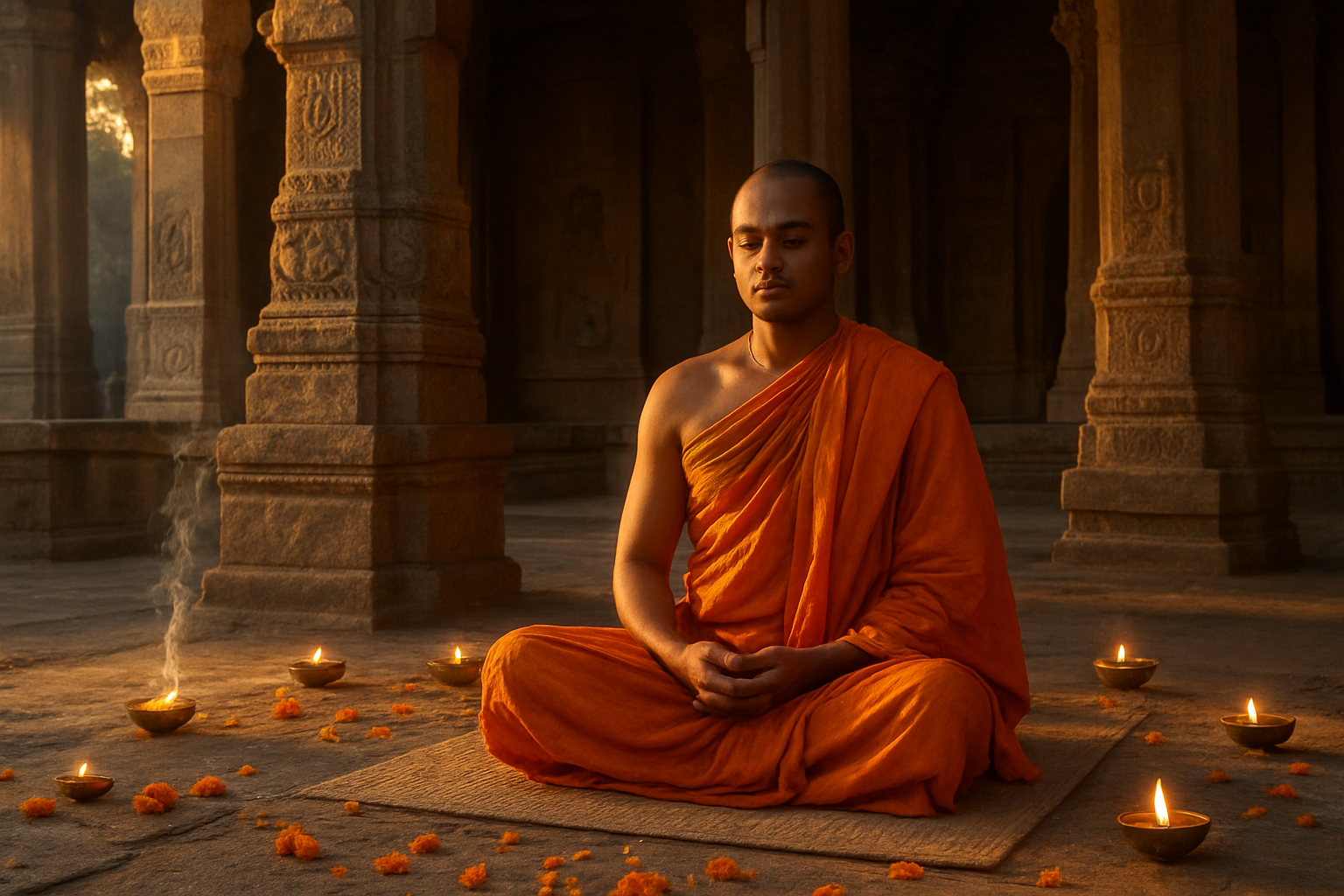
India’s spiritual traditions run deep, with meditation practices that have helped people find mental clarity for thousands of years. These ancient techniques, rooted in India spiritual practices, offer practical ways to calm the mind and sharpen focus in our busy modern world.
Vipassana meditation teaches you to observe your thoughts without judgment, creating space between you and your mental chatter. This practice originated in India and helps develop awareness of how your mind works. Regular practitioners often report better decision-making abilities and reduced anxiety.
Transcendental Meditation uses specific mantras to help the mind settle into a state of restful alertness. This technique, which has its roots in ancient Vedic traditions, requires just 15-20 minutes twice daily but can transform how clearly you think and process information.
Mindfulness meditation encourages present-moment awareness, helping you stay grounded instead of getting lost in worries about the future or regrets about the past. This practice strengthens your ability to concentrate on what matters most.
Walking meditation combines gentle movement with mindful breathing, making it perfect for people who struggle to sit still. This approach helps integrate meditative awareness into daily activities.
These yoga meditation traditions don’t require special equipment or extensive training to begin. Start with just five minutes daily, and you’ll likely notice improvements in your mental clarity and emotional stability within weeks.
Yoga techniques promoting physical and spiritual wellness
Yoga meditation traditions offer a complete system for nurturing both body and soul. These practices, central to Indian cultural heritage, provide tools for building strength, flexibility, and inner peace simultaneously.
Hatha Yoga focuses on physical postures (asanas) and breathing techniques (pranayama) that prepare your body for deeper spiritual practices. The gentle, deliberate movements help release tension while building core strength and balance. Many people find that regular Hatha practice improves their posture and reduces chronic pain.
Vinyasa Yoga connects breath with movement, creating flowing sequences that feel like moving meditation. This dynamic style builds cardiovascular health while teaching you to stay present and focused during challenging moments.
Pranayama breathing techniques work directly with your life force energy (prana). Simple practices like alternate nostril breathing can calm your nervous system within minutes, while more advanced techniques like Kapalabhati (skull-shining breath) energize your entire system.
Restorative Yoga uses props like bolsters and blankets to support your body in gentle poses held for 5-20 minutes. This practice activates your parasympathetic nervous system, promoting deep healing and stress relief.
Kundalini Yoga combines postures, breathing, meditation, and chanting to awaken dormant spiritual energy. Practitioners often experience increased creativity, intuition, and emotional resilience.
The beauty of these India spiritual practices lies in their adaptability. Whether you’re seeking physical healing, emotional balance, or spiritual growth, yoga offers techniques suited to your needs and abilities.
Festival celebrations connecting communities through joy
Indian cultural heritage shines brightest during festival celebrations that bring entire communities together in shared joy and reverence. These gatherings strengthen social bonds while honoring ancient spiritual traditions India that have united people across generations.
Diwali, the Festival of Lights, transforms neighborhoods into glowing celebrations of good triumphing over evil. Families light oil lamps, share sweets, and welcome prosperity together. The festival creates opportunities for forgiveness, fresh starts, and community support as neighbors visit each other’s homes.
Holi breaks down social barriers through playful color throwing and water fights. This spring festival celebrates renewal and equality, as people of all backgrounds join in the joyful chaos. The shared laughter and colorful chaos create lasting memories and friendships.
Navratri honors the divine feminine through nine nights of dance, music, and fasting. Communities gather for Garba and Dandiya dances that welcome participation from all ages and skill levels. These celebrations teach traditional dance steps to younger generations while providing social connection for elders.
Ganesh Chaturthi involves entire neighborhoods in creating, celebrating, and ceremoniously immersing clay sculptures of Lord Ganesha. The collective effort required for these elaborate celebrations builds teamwork and shared responsibility.
Karva Chauth and Raksha Bandhan strengthen family bonds through rituals that honor relationships between spouses and siblings. These festivals create structured opportunities for expressing love and commitment.
Regional festivals like Onam, Pongal, and Durga Puja showcase local traditions while welcoming visitors to experience diverse cultural expressions. These celebrations preserve ancient customs while adapting to modern community needs, ensuring spiritual traditions India remain vibrant and relevant.
Culinary Diversity Creating Unforgettable Flavor Experiences
Regional Spice Blends Awakening All Senses
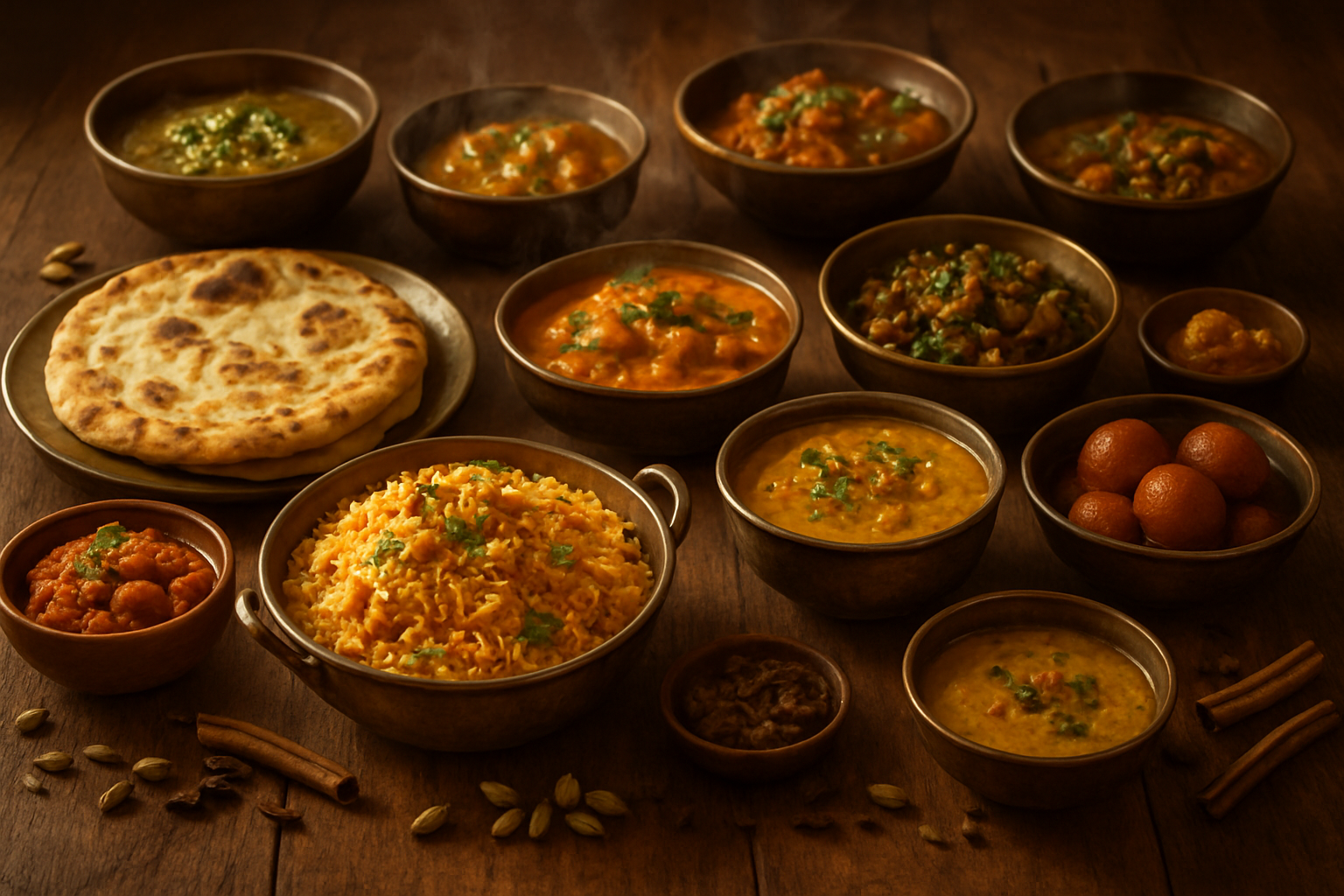
India’s culinary landscape showcases an incredible tapestry of regional spice blends that transform simple ingredients into extraordinary dishes. Each state boasts its own signature masala combinations, from Tamil Nadu’s aromatic sambar powder featuring curry leaves and tamarind to Bengal’s panch phoron blend of five whole spices. These time-honored recipes pass down through generations, with families guarding their unique proportions like precious heirlooms.
The art of roasting and grinding spices releases essential oils that create complex flavor profiles impossible to replicate with pre-packaged alternatives. Garam masala from North India differs dramatically from the coconut-based spice pastes of Kerala, while Rajasthan’s fiery red chili blends contrast beautifully with Gujarat’s sweeter spice combinations.
Ancient Cooking Methods Preserving Authentic Tastes
Traditional cooking techniques embedded in Indian food culture maintain flavors that modern methods simply cannot match. Clay pot cooking, known as “matka” preparation, imparts earthy undertones while allowing slow, even heat distribution that enhances ingredient absorption. The tandoor oven, reaching temperatures of 900°F, creates that distinctive smoky char on breads and meats that defines authentic North Indian cuisine.
Steam cooking in banana leaves, popular across South India, infuses dishes with subtle herbal notes while keeping moisture locked in perfectly. The ancient practice of tempering spices in hot oil or ghee – called “tadka” – releases maximum flavor compounds and represents one of the most fundamental techniques in Indian cooking.
Sacred Food Traditions Nourishing Body and Soul
Food preparation in Indian cultural heritage extends far beyond mere nutrition, encompassing spiritual and ceremonial significance. Temple offerings, or “prasad,” follow strict preparation guidelines that honor both ingredients and the divine. Many Hindu households begin cooking with prayers and maintain vegetarian practices during religious festivals and fasting periods.
The concept of “sattvic” cooking emphasizes pure, fresh ingredients prepared with mindful intention. These practices avoid onions, garlic, and certain spices believed to create mental agitation. Sikh langar traditions demonstrate the spiritual power of communal dining, where volunteers prepare free meals for thousands regardless of background or belief.
Street Food Culture Bringing People Together
India’s vibrant street food scene creates social bonds that transcend economic and cultural boundaries. From Mumbai’s bustling chaat stalls to Delhi’s paranthe wali gali, these informal dining spaces become community gathering points where strangers share benches and stories over steaming plates.
Regional street specialties like Kolkata’s puchka, Pune’s misal pav, or Hyderabad’s biryani create local pride and identity. Vendors often specialize in single dishes, perfecting their craft over decades and building loyal followings who travel across cities just to taste their particular version.
Ayurvedic Principles Balancing Nutrition and Health
Ancient Ayurvedic wisdom deeply influences Indian cuisine diversity through its focus on balancing body energies and promoting digestive health. The practice of combining six tastes – sweet, sour, salty, bitter, pungent, and astringent – in every meal ensures nutritional completeness and satisfaction.
Seasonal eating principles guide ingredient selection, incorporating cooling foods like cucumber and mint during summer months while emphasizing warming spices like ginger and cinnamon in winter. Turmeric, black pepper, and other medicinal spices serve dual purposes as flavor enhancers and natural remedies, making every meal a form of preventive healthcare.
Literary Treasures Inspiring Generations Worldwide

Epic narratives teaching life’s profound lessons
Ancient Indian literature stands as one of humanity’s greatest storytelling achievements, with epics like the Mahabharata and Ramayana continuing to shape moral consciousness across cultures. The Mahabharata, containing over 100,000 verses, presents complex characters facing ethical dilemmas that mirror real-life situations. Arjuna’s crisis of conscience in the Bhagavad Gita resonates with anyone struggling between duty and personal desires.
The Ramayana explores themes of loyalty, righteousness, and sacrifice through Rama’s journey. These Sanskrit literature masterpieces don’t just entertain—they provide practical wisdom for navigating relationships, leadership challenges, and moral choices. Modern readers find themselves relating to characters like Yudhishthira’s struggle with truth-telling or Sita’s strength during adversity.
Regional epics like the Tamil Silappatikaram and Telugu Andhra Mahabharatam demonstrate how local cultures adapted these universal themes. These stories have inspired countless adaptations across theater, cinema, and contemporary literature, proving their timeless relevance.
Philosophical texts guiding ethical living
Indian cultural heritage includes profound philosophical works that address life’s fundamental questions. The Upanishads explore the nature of reality and consciousness, while texts like Kautilya’s Arthashastra provide practical guidance for governance and economics. Patanjali’s Yoga Sutras offer systematic approaches to mental discipline and spiritual growth.
Buddhist literature, including the Jataka tales, teaches compassion and mindfulness through engaging stories. The Bhagavad Gita presents multiple paths to spiritual fulfillment, accommodating different personality types and life circumstances. These texts influenced thinkers worldwide, from German philosophers like Schopenhauer to American transcendentalists like Emerson.
Modern self-help and leadership concepts often trace back to these ancient wisdom traditions. The concept of dharma—righteous living aligned with one’s nature and circumstances—offers nuanced guidance that surpasses simple rule-based morality.
Poetry traditions expressing human emotions beautifully
Ancient Indian literature encompasses rich poetic traditions that capture the full spectrum of human experience. Sanskrit poetry masters like Kalidasa created works of stunning beauty, with “Meghaduta” (The Cloud Messenger) painting vivid emotional landscapes through natural imagery. Tamil poetry traditions gave us the Sangam literature, where poets expressed love, war, and nature with remarkable sophistication.
Devotional poetry traditions across languages—from Mirabai’s passionate Krishna bhajans to Kabir’s mystical verses—made spiritual concepts accessible to common people. Urdu poetry, with masters like Ghalib and Mir, elevated everyday emotions to artistic heights, influencing poetry traditions across South Asia.
These poetic traditions established sophisticated literary devices and meters that continue influencing contemporary writers. The concept of rasa (aesthetic emotion) from classical Indian poetics provides frameworks for understanding how art creates emotional experiences.
Regional poetry traditions like Bengali Baul songs, Marathi abhanga, and Telugu padams demonstrate how different cultures within Bharat expressed their unique perspectives while maintaining common aesthetic principles that celebrate the richness of human emotion and spiritual yearning.
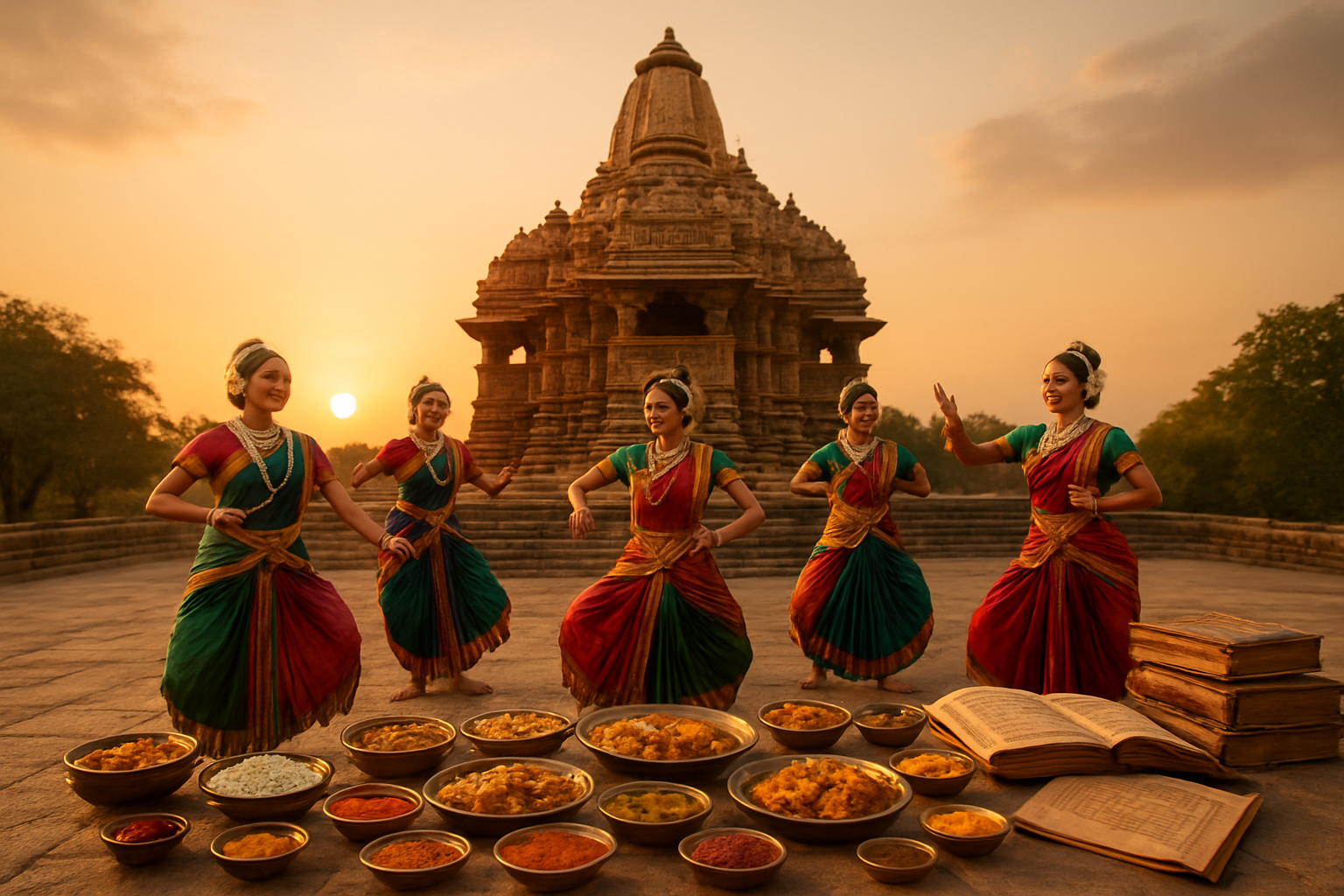
Bharat’s cultural heritage stands as a living testament to thousands of years of human creativity, wisdom, and artistic expression. From the breathtaking architectural wonders that continue to amaze visitors today to the classical arts that have found appreciation on global stages, each element of this rich tradition offers something unique and valuable. The spiritual practices that originated here provide pathways to inner peace that people around the world seek, while the incredible diversity of cuisines creates flavor experiences that remain etched in memory forever.
The literary treasures that emerged from this land have shaped thoughts and inspired countless generations across different cultures and continents. These cultural elements don’t just exist as museum pieces or historical artifacts – they remain vibrant, evolving parts of daily life that continue to influence and enrich communities today. Take some time to explore these incredible aspects of Bharat’s heritage, whether through visiting historical sites, learning a classical art form, trying authentic regional dishes, or reading ancient texts. You’ll discover that this cultural wealth offers endless opportunities for personal growth, creative inspiration, and deeper understanding of human civilization.