Vrindavan’s temples offer an incredible spiritual journey through centuries of devotion and stunning architecture. This comprehensive Vrindavan temple guide is perfect for pilgrims, spiritual seekers, and curious travelers who want to experience the sacred heart of Krishna’s legendary homeland.
You’ll discover the must-visit ancient temples that showcase Vrindavan’s rich spiritual heritage, from the iconic Banke Bihari Temple to lesser-known architectural marvels. We’ll also reveal hidden temples in Vrindavan that locals treasure but most tourists never find – peaceful sanctuaries where you can connect deeply with the divine away from the crowds.
Our guide covers the best temples in Vrindavan along with practical temple etiquette tips to help you navigate sacred spaces respectfully. Plus, you’ll get insider advice on timing your visits perfectly and creating an efficient temple hopping route that maximizes your spiritual experience while minimizing travel hassles.
Must-Visit Ancient Temples That Define Vrindavan’s Spiritual Heritage
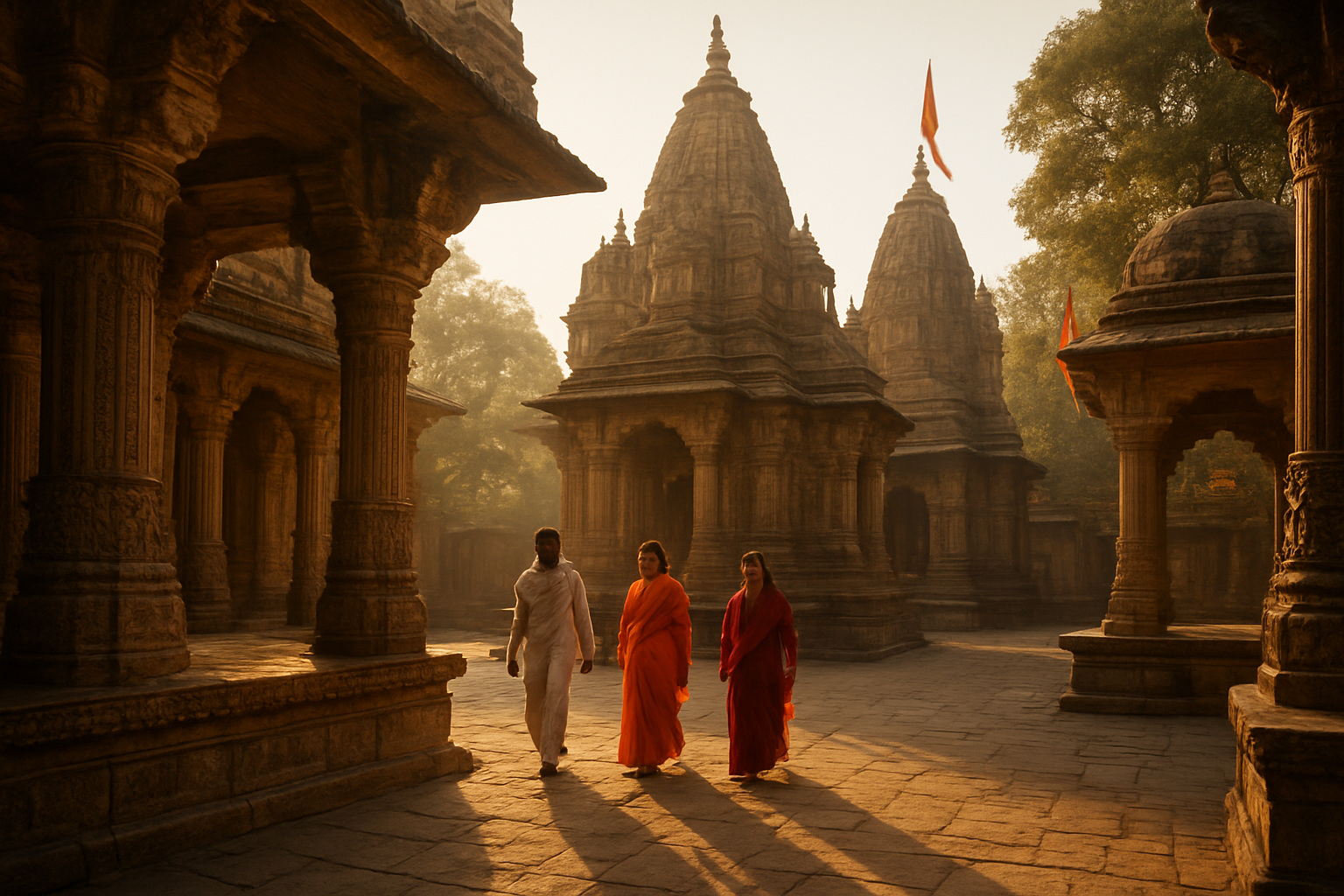
Krishna Janmabhoomi Temple – The Sacred Birthplace Experience
The Krishna Janmabhoomi Temple holds the most profound significance among all Vrindavan temples, marking the exact spot where Lord Krishna was born over 5,000 years ago. This sacred site draws millions of devotees annually who come to witness the birthplace that changed the course of Hindu spirituality.
Walking through the temple complex, you’ll discover the underground prison cell where Krishna’s birth took place. The atmosphere becomes electric during aarti times, especially the midnight celebration that commemorates the divine birth moment. The temple’s architecture blends ancient design with modern security measures, creating a unique pilgrimage experience.
Key highlights include:
- Original prison cell with deity of baby Krishna
- Daily midnight aarti ceremony
- Adjacent Shahi Eidgah mosque showcasing religious harmony
- Underground chambers with historical significance
Devotees often spend hours here absorbing the spiritual energy. The best time to visit is during Janmashtami when elaborate celebrations transform the entire complex into a divine celebration.
Banke Bihari Temple – Witness the Divine Leela Traditions
Banke Bihari Temple represents the playful aspect of Krishna worship, where ancient traditions create an atmosphere of pure devotion and joy. The deity here is famous for its mischievous nature, perfectly capturing Krishna’s childhood pranks and divine play.
The temple follows unique darshan customs where devotees catch glimpses of the deity through quickly opening and closing curtains. This practice, called “Jhanki,” recreates the hide-and-seek games Krishna played with his devotees. The temple buzzes with energy as hundreds of people sing bhajans and dance in spiritual ecstasy.
Special features of this famous temple in Vrindavan:
- No bells allowed inside to maintain peaceful atmosphere
- Unique curtain darshan system
- Deity changes outfits multiple times daily
- No camera or mobile phones permitted
The temple’s narrow lanes leading to the main sanctum create an intimate pilgrimage experience. During festivals, the entire area transforms into a spiritual carnival where devotion meets celebration in the most beautiful way.
ISKCON Temple – Modern Devotion Meets Ancient Wisdom
The ISKCON Temple brings contemporary temple management to Vrindavan’s ancient spiritual landscape. This magnificent complex combines traditional architecture with modern amenities, making it accessible to international visitors while maintaining authentic worship practices.
The temple houses stunning deities of Gaura-Nitai and Radha-Shyamasundar, presented with elaborate decorations and seasonal themes. The daily schedule includes multiple aartis, philosophical discourses, and cultural programs that educate visitors about Krishna consciousness.
What makes ISKCON special:
- Multilingual services and guides
- Clean, well-maintained facilities
- Educational exhibitions about Krishna’s life
- Prasadam dining hall serving authentic vegetarian meals
- Bookstore with spiritual literature in various languages
The temple’s gardens provide peaceful meditation spaces, while the main hall accommodates large congregations during festivals. Regular cultural programs and spiritual discourses help visitors understand the deeper philosophical aspects of Krishna worship.
Prem Mandir – Marvel at Illuminated Evening Prayers
Prem Mandir stands as Vrindavan’s newest architectural marvel, showcasing intricate marble craftsmanship that tells Krishna’s complete life story through stunning carvings. This temple revolutionizes the traditional temple experience with its spectacular light and sound shows.
The evening illumination transforms the white marble structure into a golden wonderland, creating photo opportunities that capture both spiritual beauty and artistic excellence. The temple’s 73-foot height and detailed carvings make it visible from various points across Vrindavan.
Unique attractions at Prem Mandir:
- Spectacular evening light displays
- Detailed marble carvings depicting Krishna’s pastimes
- Musical fountain show
- Panoramic garden with walking paths
- Air-conditioned main hall for comfort
The temple complex includes meditation gardens where visitors can reflect on their spiritual journey. The sound and light show narrates Krishna’s life story in multiple languages, making it educational for diverse audiences. Evening visits offer the best experience when the illumination creates magical ambiance perfect for photography and spiritual contemplation.
Hidden Temple Gems Away from Tourist Crowds
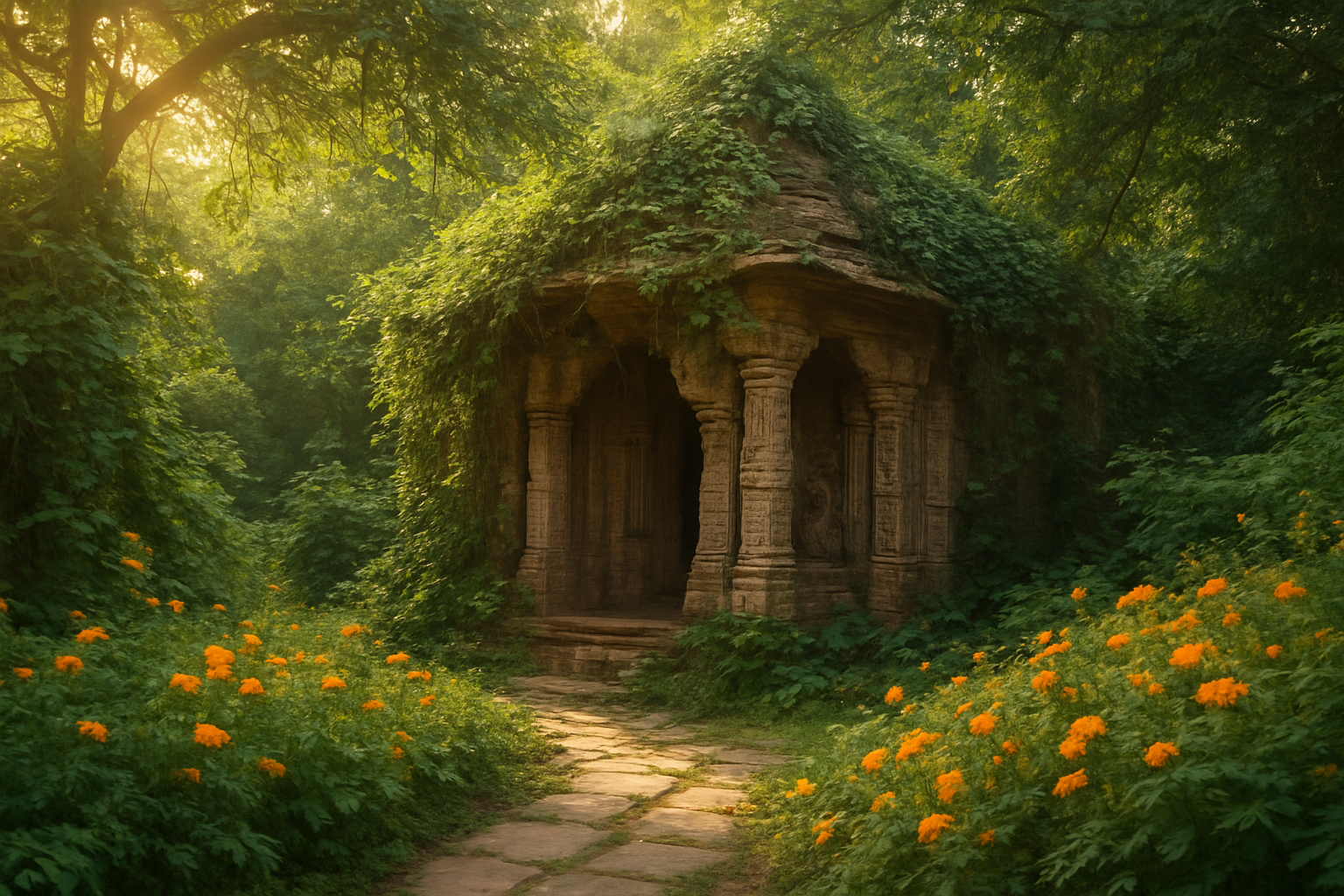
Radha Raman Temple – Discover Self-Manifested Deity Secrets
Tucked away in the narrow lanes of Vrindavan, Radha Raman Temple houses one of the most extraordinary deities you’ll ever encounter. This hidden temple gem showcases a self-manifested (Swayambhu) deity that appeared naturally from a sacred Shaligram stone in 1542. Unlike carved or sculpted idols found in other Vrindavan temples, Lord Krishna manifested himself here without human intervention.
The temple’s intimate atmosphere creates an incredibly personal spiritual experience. With smaller crowds compared to major tourist destinations, you can actually spend quality time in contemplation and prayer. The deity’s features are remarkably lifelike – devotees often describe feeling as though Krishna’s eyes follow them around the room.
What makes this temple special:
- Original manuscripts and historical documents dating back 500 years
- Exquisite daily dress ceremonies with over 200 different outfits
- Personal belongings of the six Goswamis who established Vrindavan’s spiritual foundations
- Unique darshan timings that allow for peaceful worship
The temple follows traditional protocols established centuries ago. Morning prayers begin at 4:30 AM, offering an authentic glimpse into ancient Vrindavan spiritual practices. The evening aarti creates an magical atmosphere as oil lamps illuminate the deity’s beautiful form.
Shahji Temple – Experience Royal Architecture and Intimate Darshan
Built in 1876 by Shah Kundan Lal of Lucknow, this architectural marvel stands as one of Vrindavan’s most elegant hidden temples. The red sandstone structure combines Mughal and Rajasthani design elements, creating a visual feast that rivals any palace you’ve seen.
What sets Shahji Temple apart from other famous temples in Vrindavan is its incredibly detailed craftsmanship. Every pillar tells a story through intricate carvings depicting Krishna’s pastimes. The main hall features stunning mirror work and delicate paintings that have survived over 150 years of monsoons and time.
Key highlights include:
- Belgian glass and crystal chandeliers that create rainbow reflections during sunrise
- Hand-painted ceiling frescoes showing Radha-Krishna’s eternal dance
- Marble floors inlaid with precious stones forming geometric patterns
- Peaceful courtyards perfect for meditation and reflection
The temple receives fewer visitors than mainstream attractions, making it perfect for those seeking genuine spiritual connection. The priests here maintain old traditions, performing ceremonies exactly as they did decades ago. You can often catch them singing traditional bhajans in the evening, their voices echoing through the ornate halls.
Photography enthusiasts love this temple’s golden hour lighting, when the red sandstone glows warmly against the blue sky.
Gopeshwar Mahadev Temple – Find Shiva’s Connection to Krishna’s Land
Deep in Vrindavan’s heart lies a fascinating temple that bridges two major Hindu traditions – the worship of Shiva and Krishna. Gopeshwar Mahadev Temple tells the captivating story of Lord Shiva’s desire to participate in Krishna’s divine pastimes, making it one of the most unique hidden temples Vrindavan offers.
According to ancient texts, Shiva wished to witness the Rasa Lila (divine dance) between Krishna and the gopis. To join this sacred celebration, he transformed himself into a gopi named Gopeshwar. This temple marks the exact spot where this divine transformation occurred.
Temple features that captivate visitors:
- Ancient Shiva lingam believed to be self-manifested
- Unique prayers combining both Shaivite and Vaishnavite traditions
- Peaceful garden area with meditation spots under old trees
- Traditional oil lamp ceremonies creating mystical ambiance
The temple’s secluded location means you’ll often have the entire complex to yourself. Local priests share fascinating stories about Shiva’s devotion to Krishna, offering insights you won’t find in guidebooks. The evening prayers here feel particularly special, as chants dedicated to both deities create a harmonious spiritual atmosphere.
Many devotees report experiencing profound peace here, perhaps because the temple represents the beautiful unity between different spiritual paths. The small size and quiet surroundings make it perfect for personal prayer and contemplation away from Vrindavan’s busier temple circuits.
Best Times and Rituals to Maximize Your Temple Experience
Early Morning Mangla Aarti – Start Your Day with Divine Energy
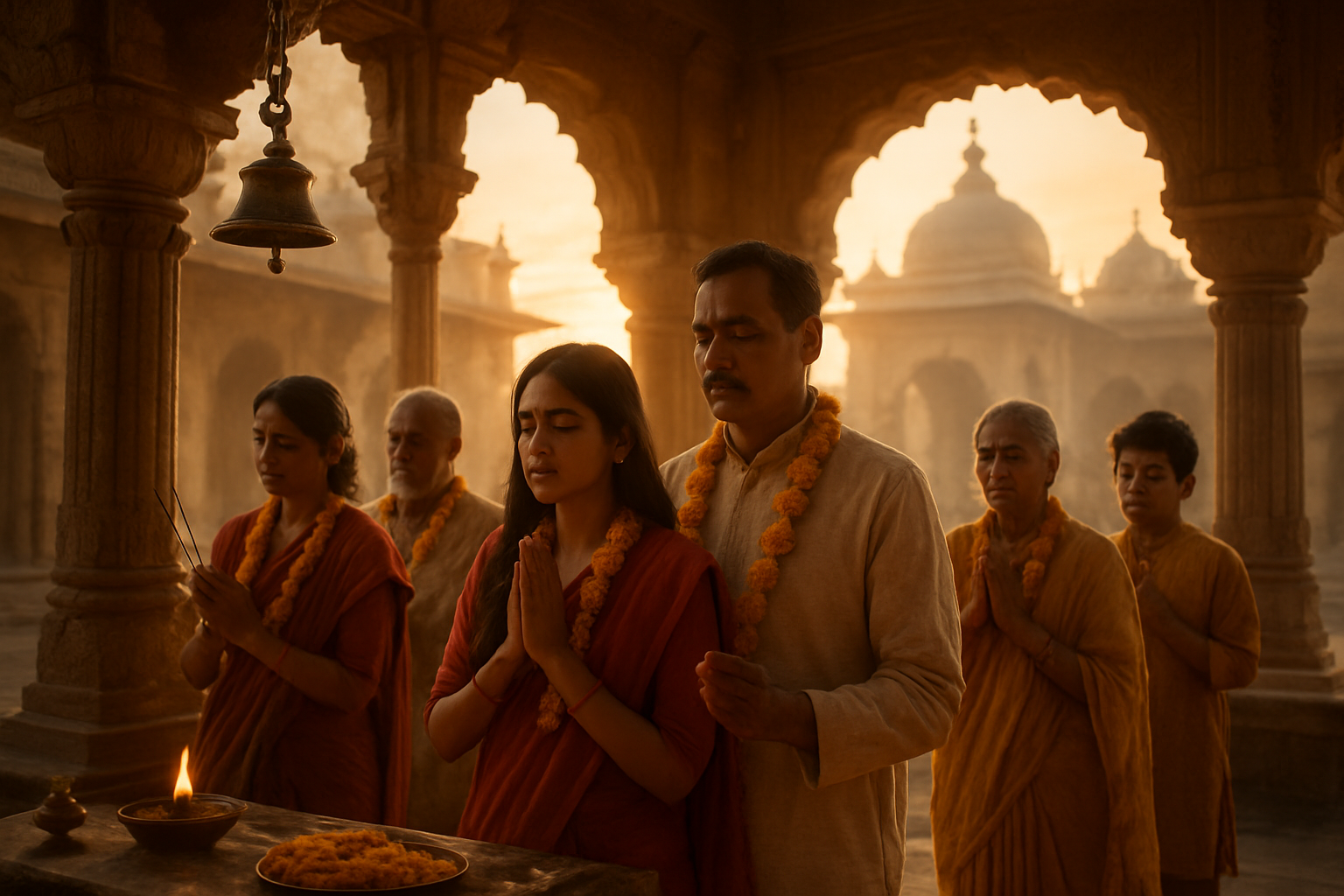
The magic of Vrindavan temples truly awakens during the pre-dawn hours when the sacred Mangla Aarti begins. Most major temples start this first prayer ceremony between 4:30 AM and 5:00 AM, creating an atmosphere that feels almost otherworldly. The Banke Bihari Temple and ISKCON Vrindavan offer particularly powerful morning experiences that devotees treasure for a lifetime.
Arriving at least 30 minutes early gives you the best positioning and allows you to witness the beautiful ritual of waking the deities. The priests perform elaborate ceremonies with incense, bells, and traditional hymns that echo through the temple halls. During these precious moments, you’ll find fewer crowds and a more intimate connection with the divine energy that makes Vrindavan temples so special.
The morning aarti creates perfect opportunities for meditation and personal reflection. Many regular visitors to Vrindavan pilgrimage sites swear by starting their temple hopping journey during these early hours when the spiritual vibrations feel strongest.
Festival Seasons – Plan Around Janmashtami and Radhashtami Celebrations
Vrindavan transforms into a spiritual wonderland during major festivals, with Janmashtami (Krishna’s birthday) and Radhashtami (Radha’s appearance day) standing out as the most spectacular celebrations. These festivals typically fall in August or September, drawing millions of devotees to famous temples Vrindavan.
Planning your visit during these festivals requires advance booking and preparation, but the experience becomes absolutely unforgettable. Temples across the city organize special programs, elaborate decorations, and continuous kirtans (devotional singing) that last for days. The Radha Raman Temple and Rangji Temple host particularly stunning celebrations with traditional dance performances and flower showers.
| Festival | Best Temples to Visit | Special Activities |
|---|---|---|
| Janmashtami | Banke Bihari, ISKCON | Midnight celebrations, jhankis (tableaux) |
| Radhashtami | Radha Raman, Shahji Temple | Radha abhishek, special aartis |
| Holi | All temples | Color festivities, traditional songs |
Book accommodations at least 2-3 months ahead during festival seasons, as Vrindavan spiritual tourism peaks during these times.
Evening Prayer Times – Capture the Most Photogenic Moments
Evening prayers in Vrindavan temples create some of the most breathtaking moments for both spiritual seekers and photography enthusiasts. The golden hour between 5:30 PM and 7:00 PM bathes the ancient temples in warm light while the evening aartis fill the air with devotional energy.
The Prem Mandir stands out during evening hours with its stunning LED light displays that illuminate the white marble structure against the darkening sky. Meanwhile, traditional temples like Radha Vallabh Temple offer intimate evening ceremonies where oil lamps create dancing shadows on centuries-old walls.
Smart temple visitors position themselves strategically during evening prayers to capture both the visual beauty and spiritual essence. The combination of flickering diyas, rising incense smoke, and chanting devotees creates magical photo opportunities that showcase the authentic spirit of Vrindavan temple guide experiences.
Parikrama Routes – Complete Sacred Walking Circuits Like a Local
Walking the traditional parikrama (circumambulation) routes connects you deeply with Vrindavan’s spiritual landscape and local culture. The main Vrindavan Parikrama spans approximately 10 kilometers and covers all major temple sites, taking 3-4 hours to complete at a leisurely pace.
Local devotees typically start their parikrama from the Banke Bihari Temple area and move clockwise through key locations including Seva Kunj, Nidhivan, and the ghats along the Yamuna River. Many hidden temples Vrindavan reveals itself during these walks, showing you sacred spots that tour groups often miss.
Essential Parikrama Tips:
- Start early morning (6:00 AM) or late afternoon (4:00 PM)
- Carry water and wear comfortable walking shoes
- Join local groups for authentic chanting experiences
- Stop at smaller temples for unique blessings
- Take breaks at traditional tea stalls for local interactions
The complete circuit provides insights into daily life, local customs, and the genuine devotional practices that make temple hopping Vrindavan such a transformative experience. Many visitors discover their favorite temples during these walking journeys rather than at the famous tourist destinations.
Essential Temple Etiquette and Preparation Tips
Dress Codes and Cultural Sensitivity Guidelines
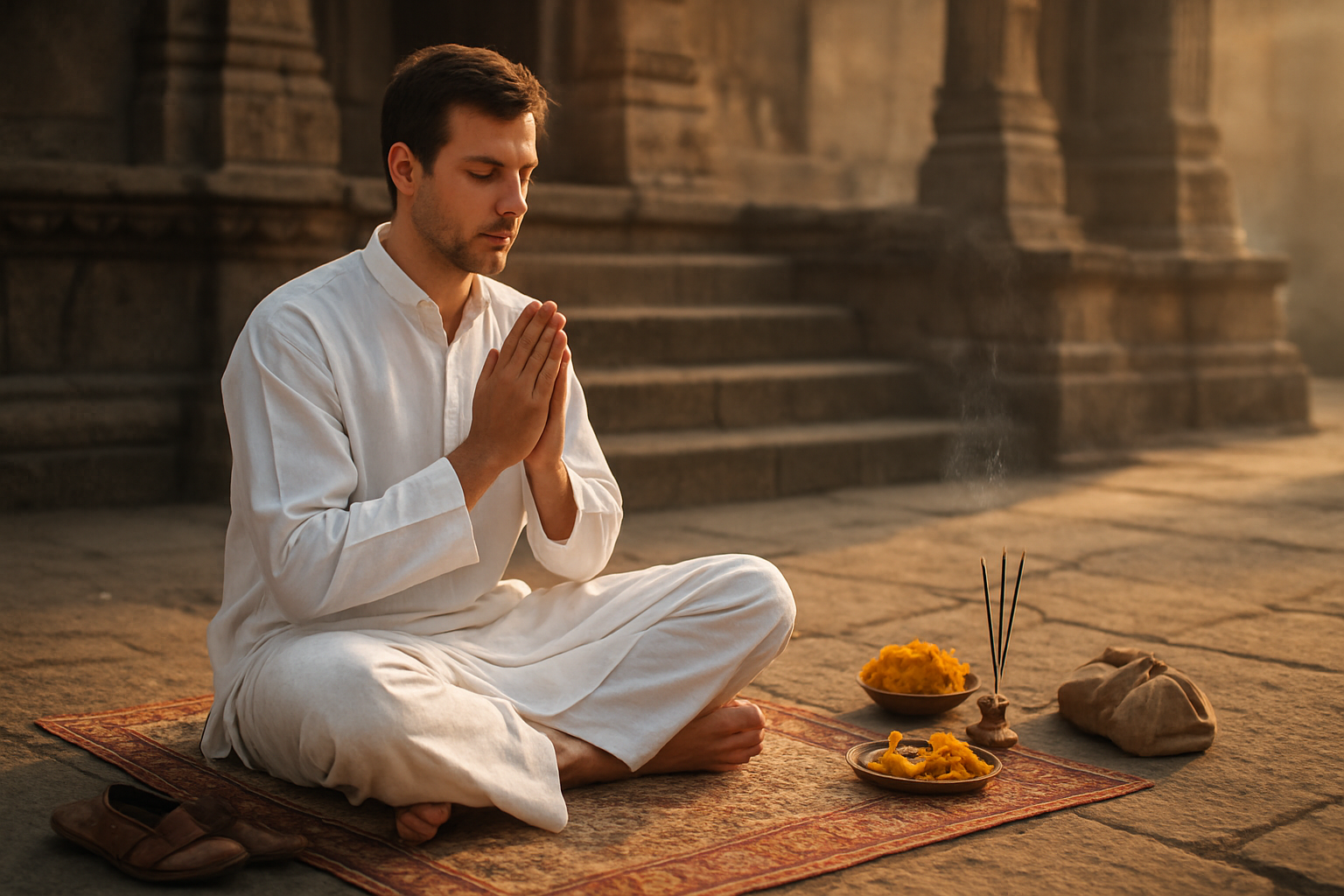
Visiting Vrindavan temples requires respectful attire that honors the sacred atmosphere. Men should wear long pants or traditional dhoti, paired with shirts that cover the shoulders. Tank tops, shorts, and revealing clothing are strictly prohibited. Women need to dress modestly with covered arms, long skirts or pants, and dupatta or scarf for head covering when entering certain temples.
Traditional Indian clothing like sarees, kurta-pajamas, or salwar-kameez are always welcomed and show cultural appreciation. Many temples provide cloth wraps at entrances for visitors who arrive unprepared. Bright colors are perfectly acceptable, though avoid black clothing as some temples consider it inauspicious.
Remove shoes before entering temple premises and place them in designated areas. Most temples have paid shoe-keeping services for a small fee. Leather items including belts, wallets, and bags may be restricted in certain sacred areas, so plan accordingly.
Photography Rules and Restricted Areas to Respect
Each Vrindavan temple has specific photography policies that visitors must follow strictly. Most temples allow photography in outer courtyards and general areas but completely prohibit cameras inside the main sanctum or near the deity. Flash photography is universally banned as it can damage ancient artwork and disturb worship.
Popular temples like Banke Bihari completely ban all photography and mobile phones inside the main temple complex. Security guards actively monitor and may confiscate devices if rules are violated. Some temples allow photography for a nominal fee, typically ranging from ₹20-100.
Video recording faces stricter restrictions than still photography. Always ask temple authorities before filming any rituals or ceremonies. Social media posts should avoid tagging specific locations if the temple requests discretion. Respect other devotees’ privacy and never photograph people without permission.
Donation Practices and Prasadam Collection Protocols
Temple donations in Vrindavan follow traditional practices with specific guidelines. Cash donations can be placed in designated boxes or offered directly during aarti ceremonies. Most temples accept donations of ₹5 to ₹500, though there’s no minimum requirement. Larger donations should be made through official temple offices with proper receipts.
Prasadam distribution varies by temple and timing. Major temples distribute blessed food items during specific hours, usually after morning and evening prayers. Queue patiently and accept prasadam with both hands as a mark of respect. Never refuse prasadam once offered, as it’s considered blessed food.
Some temples offer special prasadam packages for purchase, including sweets, fruits, and sacred items. These make meaningful souvenirs and support temple maintenance. Always consume prasadam immediately or share it respectfully – storing it carelessly is considered disrespectful.
Queue Management and Peak Hour Strategies
Smart timing makes temple hopping in Vrindavan much more enjoyable and spiritually fulfilling. Early morning hours (5:00-8:00 AM) offer the most peaceful experience with shorter queues and cooler weather. Evening aarti times (6:00-8:00 PM) create magical atmospheres but expect larger crowds.
Festival days and weekends bring massive crowds, especially during Holi, Janmashtami, and Radha Ashtami. Plan for wait times of 2-4 hours during peak periods. VIP darshan tickets are available at major temples for faster access, typically costing ₹100-500.
Weekdays provide the best balance of spiritual atmosphere and manageable crowds. Monsoon season (July-September) sees fewer tourists but brings its own charm with lush greenery. Winter months (November-February) are ideal for comfortable temple visits with perfect weather conditions.
Carry water, wear comfortable walking shoes, and maintain patience during busy periods. Elderly visitors and families with children should plan rest stops between temples and avoid peak hours when possible.
Temple-Hopping Logistics and Practical Planning
Transportation Options Between Major Temple Sites
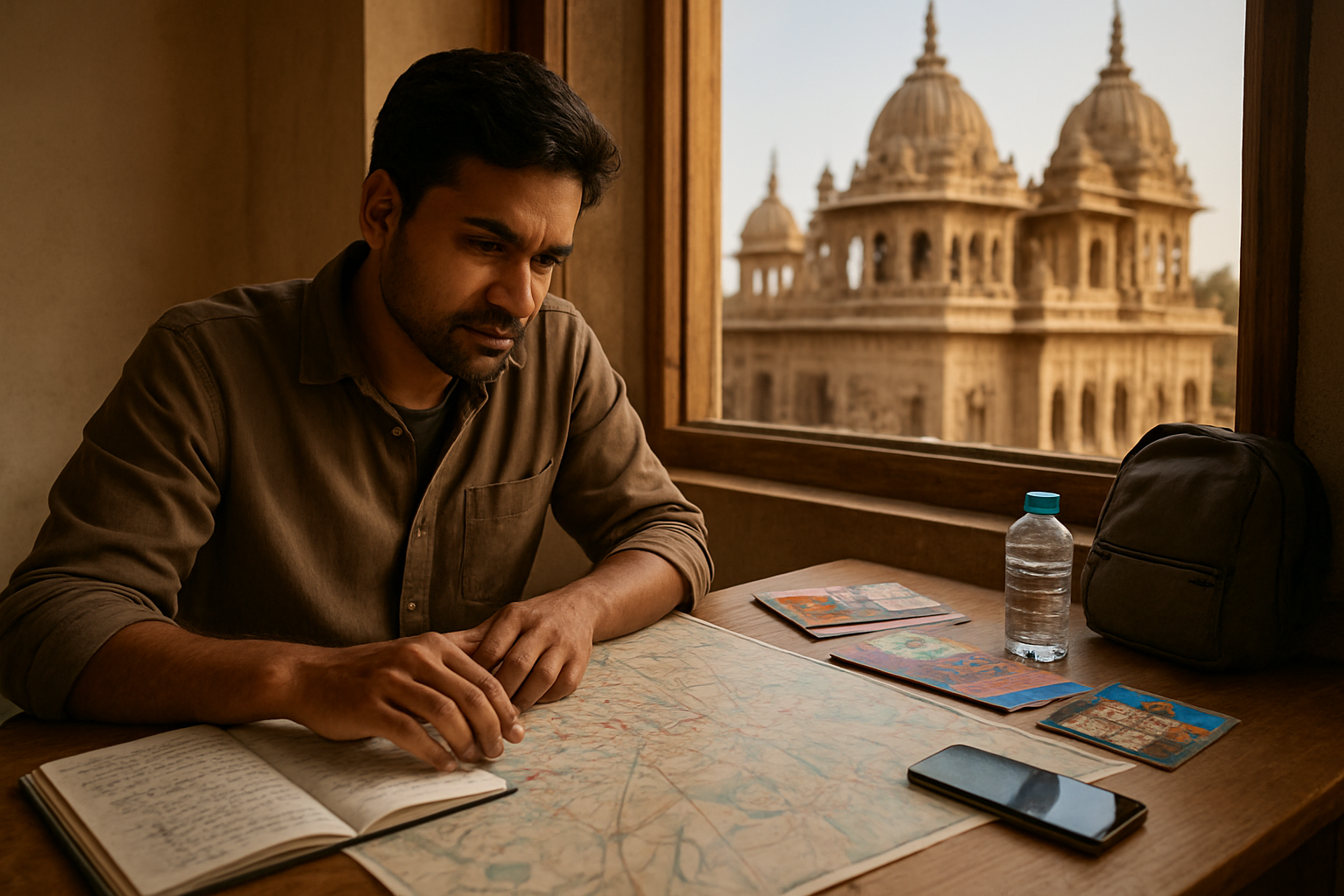
Getting around Vrindavan temples requires smart planning since most sacred sites are spread across this ancient town. Auto-rickshaws remain your best bet for temple hopping Vrindavan style – they’re affordable, readily available, and drivers know every temple location by heart. Expect to pay ₹20-50 for short distances between nearby temples like Banke Bihari and Radha Raman.
For covering multiple Vrindavan temples in a day, hiring a full-day auto-rickshaw works out cheaper at ₹800-1200. Many drivers double as informal guides, sharing temple histories and suggesting optimal visiting sequences.
Cycle rickshaws offer a slower, more atmospheric journey through narrow temple lanes. They’re perfect for exploring hidden temples Vrindavan locals frequent, though avoid them during peak summer months.
E-rickshaws have become increasingly popular, especially for the Govind Dev Temple to ISKCON Temple route. They’re environmentally friendly and cost similar to traditional autos.
Walking remains ideal for the central temple circuit around Loi Bazaar, where most famous temples Vrindavan pilgrims visit cluster within a 2-kilometer radius. The spiritual atmosphere intensifies when you traverse these sacred paths on foot.
| Transport Mode | Best For | Cost Range | Pros |
|---|---|---|---|
| Auto-rickshaw | Long distances | ₹20-50 per trip | Fast, convenient |
| Cycle rickshaw | Short distances | ₹15-30 per trip | Atmospheric, eco-friendly |
| E-rickshaw | Medium distances | ₹25-40 per trip | Clean, quiet |
| Walking | Central area | Free | Spiritual experience |
Accommodation Recommendations Near Sacred Complexes
Staying close to major Vrindavan temples transforms your pilgrimage experience. The Krishna Balaram Guesthouse near ISKCON offers clean rooms starting ₹1500, with morning aarti sounds drifting from the temple complex. Book early during festival seasons.
MVP Colony provides excellent mid-range options within walking distance of Banke Bihari Temple. Hotel Basera and Brij Raj Palace offer comfortable stays with temple views, ranging ₹2000-4000 per night.
Budget travelers should consider dharamshalas near Radha Damodar Temple. These traditional pilgrim lodges charge ₹300-800 per night and provide authentic spiritual accommodation experiences. Jaipur Dharamshala and Kashi Vishwanath Dharamshala are particularly well-maintained.
For luxury seekers, Nidhivan Sarovar Portico stands out with its premium amenities and proximity to multiple temples. Their ₹6000+ rooms include guided temple tour services.
Location Priority Tips:
- Stay near Loi Bazaar for easy access to 5+ major temples
- Choose accommodations with temple pickup services
- Book rooms facing east for sunrise temple visits
- Verify hot water availability for early morning bathing rituals
Food and Refreshment Stops During Temple Tours
Vrindavan’s prasadam culture means delicious spiritual food awaits between temple visits. Govinda’s Restaurant at ISKCON serves pure vegetarian meals that fuel long temple hopping days. Their thali (₹150-250) provides filling, sattvic nutrition perfect for maintaining spiritual energy.
Traditional sweet shops like Brijwasi Mithai Wala offer fresh peda, rabri, and other Krishna-favorite sweets. These make excellent offerings for temple visits and provide quick energy boosts during extensive Vrindavan temple tours.
Street food around Banke Bihari Temple includes hot kachoris, samosas, and fresh fruit juices. Local vendors understand pilgrims’ needs, offering clean, affordable options throughout the day.
Strategic Food Stop Locations:
- Near Prem Mandir: Multiple restaurants with AC seating
- Loi Bazaar: Traditional sweet shops and snack stalls
- ISKCON vicinity: International vegetarian cuisine options
- Seva Kunj area: Local dhabas serving home-style meals
Carry water bottles during summer temple visits – many temples provide free drinking water, but having your own ensures constant hydration. Several temples also distribute free prasadam during specific times, so timing your visits around meal distributions can enhance both spiritual and practical aspects of your Vrindavan pilgrimage guide experience.
Always eat sattvic (pure vegetarian) food while visiting temples, as this aligns with the spiritual atmosphere and shows respect for local customs and beliefs.
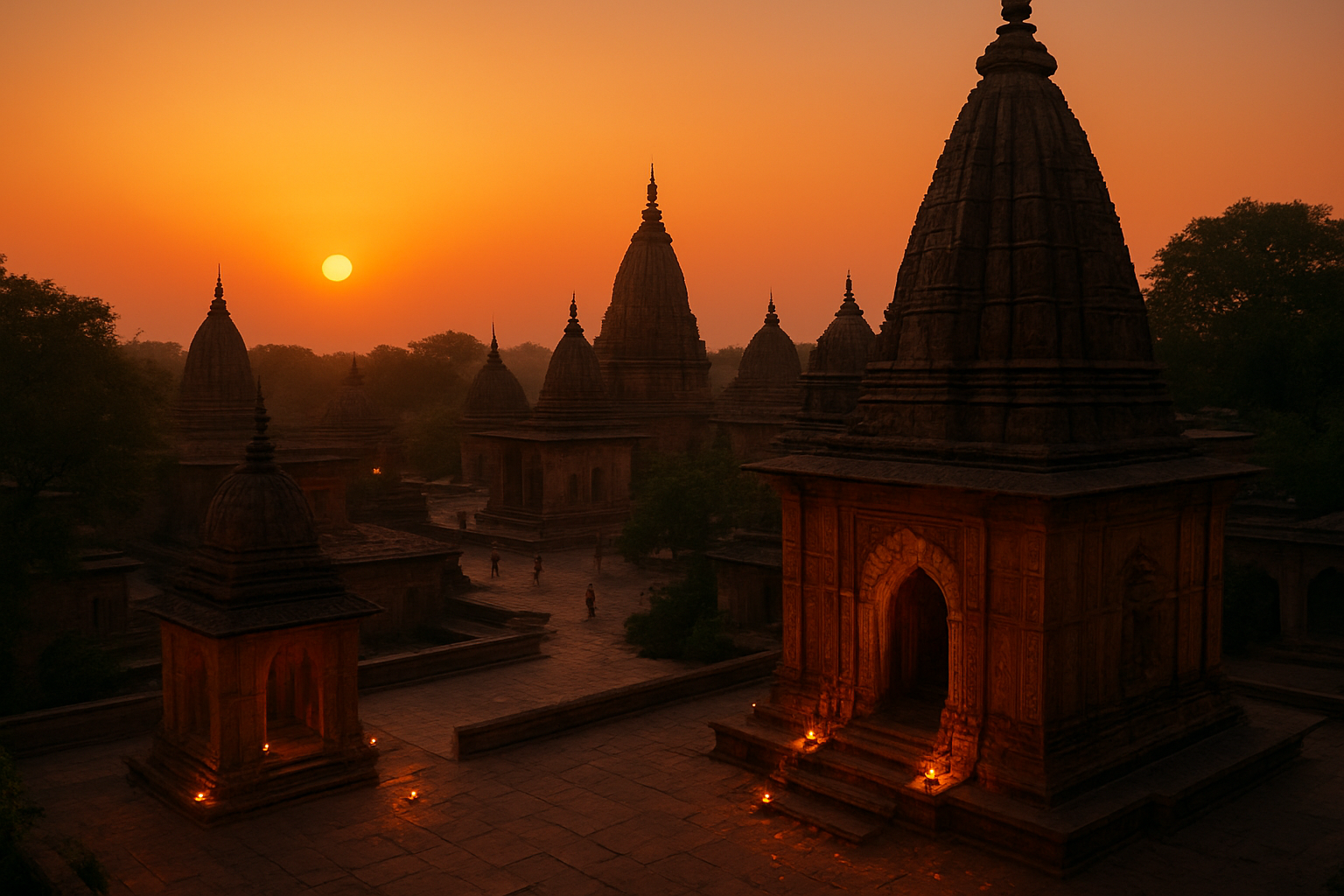 Vrindavan’s temples offer an incredible spiritual journey that goes far beyond typical tourist experiences. From the ancient shrines that have stood for centuries to the peaceful hidden gems tucked away from busy crowds, each temple tells its own unique story of devotion and heritage. The key to making the most of your visit lies in timing your trips around the beautiful daily rituals and understanding the simple but important etiquette that shows respect for these sacred spaces.
Planning your temple visits doesn’t have to be overwhelming. With some basic preparation and respect for local customs, you’ll find yourself deeply connected to the spiritual energy that makes Vrindavan so special. Start with the must-see ancient temples to get your bearings, then venture out to discover those quieter spots where you can truly soak in the atmosphere. Your journey through these sacred halls will leave you with memories and insights that last long after you’ve returned home.