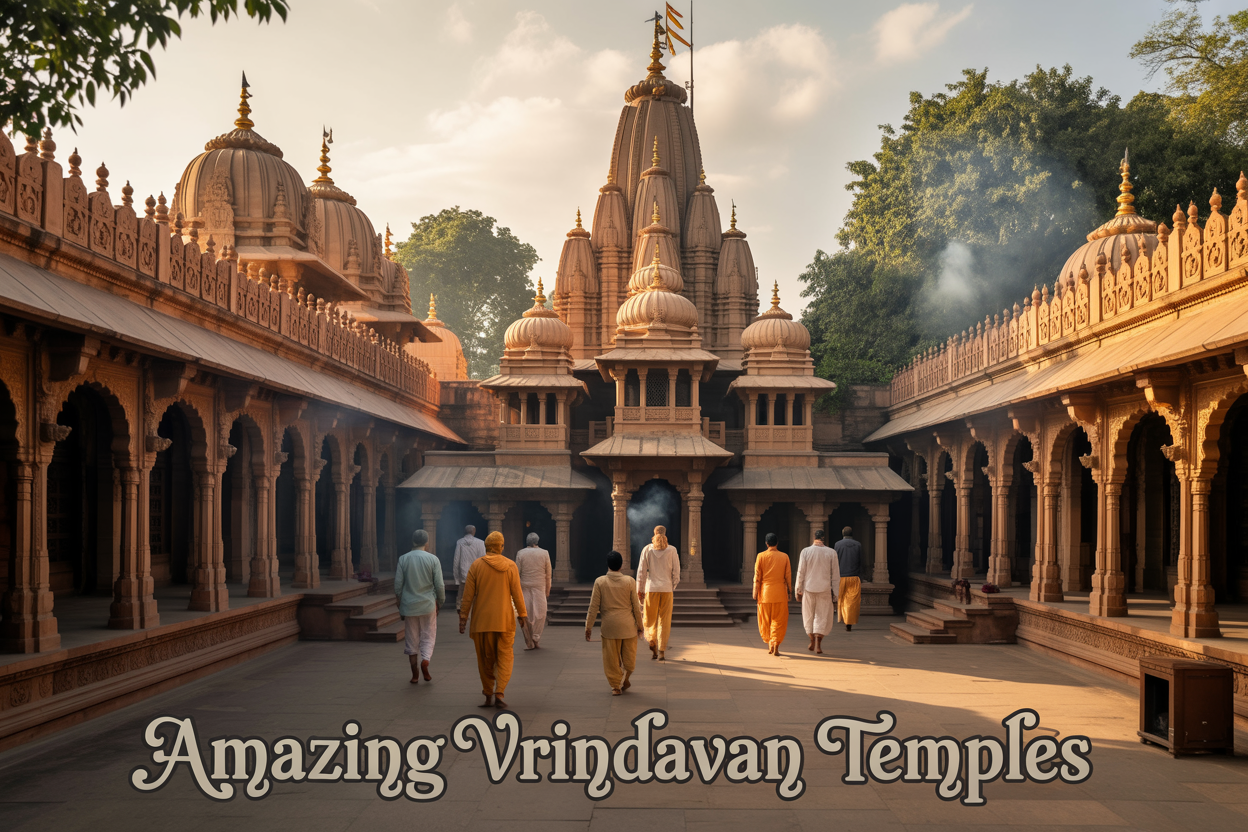
Discover the Sacred Heart of India’s Most Beloved Pilgrimage Destination
Vrindavan temples offer spiritual seekers and Krishna devotees an unmatched journey into divine devotion and ancient wisdom. This spiritual journey Vrindavan guide serves pilgrims, travelers, and anyone drawn to India’s rich religious heritage who wants to experience the transformative power of sacred spaces.
You’ll discover the most revered Krishna temples Vrindavan has to offer, from iconic shrines that have welcomed millions of devotees to hidden spiritual gems tucked away from the crowds. We’ll explore time-tested spiritual practices that can deepen your connection to the divine and provide practical planning tips to help you make the most of your pilgrimage Vrindavan experience.
Ready to step into a world where every stone tells a story of devotion and every temple doorway opens to divine grace?
Divine Origins and Sacred History of Vrindavan
Ancient legends connecting Krishna to this holy land
Vrindavan pulses with divine energy because of its deep connection to Lord Krishna’s childhood adventures. According to sacred texts, this enchanted land witnessed Krishna’s miraculous deeds as a young boy – from lifting the mighty Govardhan Hill to protect villagers from torrential rains to his playful butter-stealing escapades that melted hearts across the village.
The Radha-Krishna love story unfolds beautifully across Vrindavan’s landscapes. Every grove, every riverbank along the Yamuna echoes with tales of their divine romance. The famous Raas Lila – Krishna’s cosmic dance with the gopis – took place in these sacred groves, transforming ordinary spots into pilgrimage destinations that draw millions seeking spiritual connection.
Krishna’s foster mother Yashoda chased him through these very lanes when he broke pots of freshly churned butter. The cowherd boys who played with him roamed these fields, and the sacred Yamuna River still flows where Krishna performed his divine miracles. These aren’t just stories – devotees experience tangible spiritual presence in locations like Kesi Ghat and Chir Ghat, where Krishna’s divine leelas (pastimes) unfolded.
Historical significance in Hindu scriptures and mythology
The Bhagavata Purana extensively chronicles Vrindavan’s sacred geography, describing specific locations where Krishna’s childhood unfolded. The Brahma Vaivarta Purana and Padma Purana further cement Vrindavan’s position as Goloka Vrindavan’s earthly manifestation – the supreme spiritual realm made accessible to devotees.
Ancient Sanskrit texts describe Vrindavan as “Krishna’s playground” where divine consciousness takes physical form. The Garga Samhita provides detailed descriptions of sacred spots, many of which house Vrindavan temples today. These scriptures don’t merely narrate stories – they map out a spiritual landscape where every stone holds divine significance.
The Mahabharata references this region as part of Krishna’s earthly domain, while the Harivamsa elaborates on the geographical and spiritual importance of Braj Bhoomi. Religious scholars have traced these textual references across centuries, establishing Vrindavan’s authenticity as Krishna’s earthly abode.
Evolution from pastoral village to major pilgrimage destination
Vrindavan transformed dramatically over centuries, evolving from a simple pastoral village into one of India’s most significant pilgrimage destinations. During the 16th century, Chaitanya Mahaprabhu’s disciples rediscovered many lost sacred sites mentioned in ancient texts, sparking massive temple construction and spiritual revival.
The Mughal period brought both challenges and patronage. While some rulers showed hostility toward Hindu practices, others, including certain Mughal nobles, supported temple construction. Wealthy merchants and devout kings from Rajasthan, particularly from Jaipur and Bharatpur, invested heavily in building magnificent Krishna temples Vrindavan is famous for today.
British colonial rule marked another transformation phase. The spiritual journey Vrindavan offered attracted not just Indian pilgrims but also Western seekers. Archaeological surveys during this period documented hundreds of temples, ghats, and sacred groves, creating the first comprehensive maps of this holy place.
Modern transportation revolutionized accessibility. Railways connected Vrindavan to major Indian cities, while improved roads made religious tourism Vrindavan feasible for middle-class families. Today’s Vrindavan seamlessly blends ancient spirituality with modern amenities, making sacred temples India houses more accessible to global devotees.
Cultural importance in the Bhakti movement
Vrindavan became the beating heart of the Bhakti movement, where devotional practices transformed from ritualistic worship to deeply personal spiritual connections. Chaitanya Mahaprabhu established Vrindavan as the movement’s epicenter, where love and devotion replaced formal religious hierarchies.
The Six Goswamis – disciples of Chaitanya – revolutionized spiritual practices here. They composed thousands of verses, established philosophical frameworks, and created devotional methodologies still followed in Vrindavan temples worldwide. Their approach made complex Vedantic philosophy accessible through simple devotional practices.
Kirtan – devotional singing – flourished in Vrindavan’s lanes and temples. The tradition of 24-hour kirtan began here, creating an atmosphere of continuous divine celebration. These spiritual practices Vrindavan pioneered influenced devotional movements across India and eventually reached global audiences.
The movement democratized spirituality. Regardless of caste, gender, or social status, anyone could participate in Krishna devotion. Women saints like Mirabai found acceptance here when orthodox society rejected them elsewhere. This inclusive approach made Vrindavan a sanctuary for spiritual seekers from all backgrounds.
Divine temples Krishna devotees built here became laboratories for devotional innovation. New forms of worship, music, dance, and theological discourse emerged from these sacred spaces, influencing Hindu spirituality far beyond Vrindavan’s boundaries and establishing it as a eternal center of divine love.
Must-Visit Temples That Transform Your Spiritual Experience
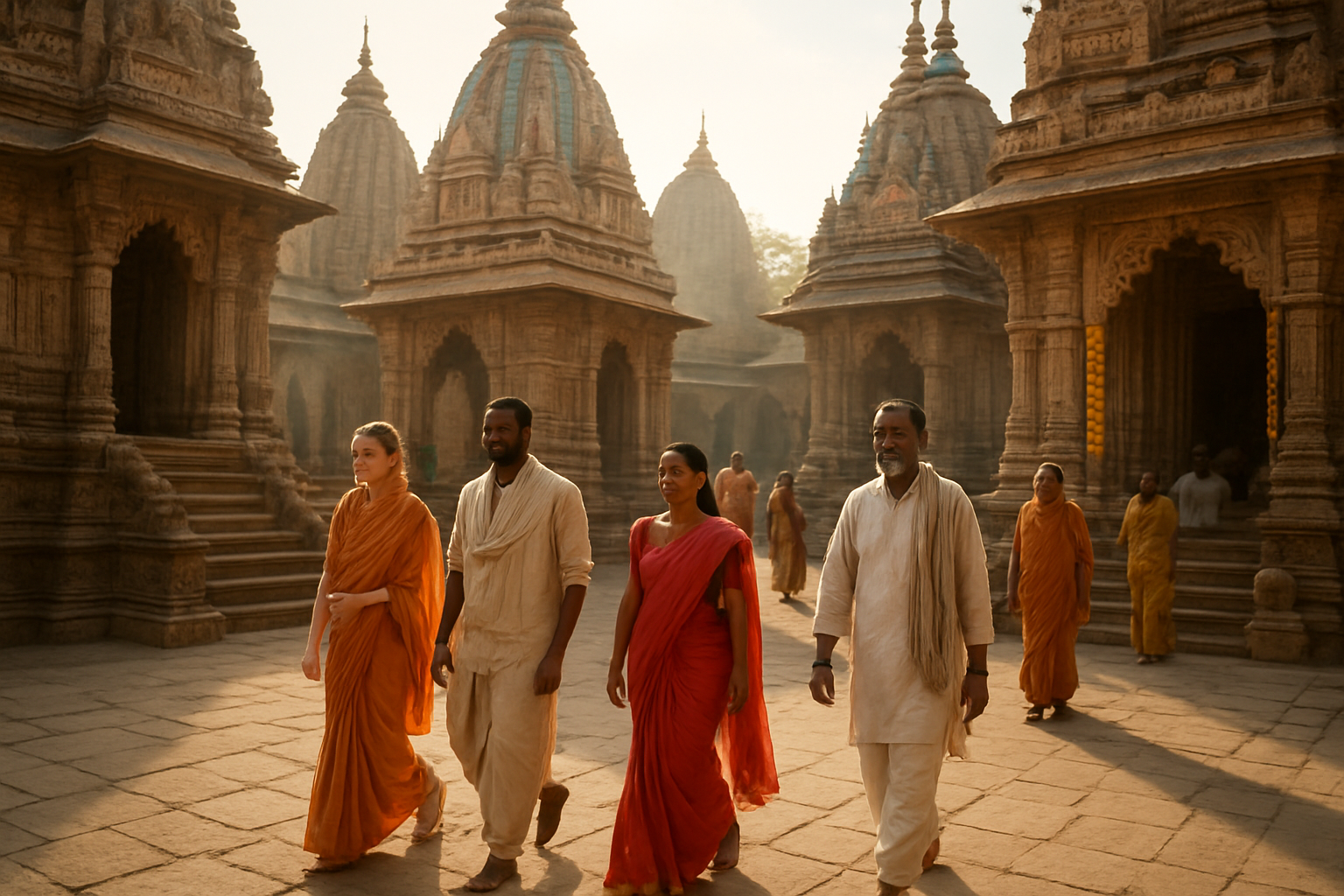
Banke Bihari Temple and its miraculous darshan traditions
The heart of Vrindavan temples beats strongest at Banke Bihari Temple, where devotees experience something truly extraordinary. This sacred space houses one of the most beloved Krishna deities in India, known for its playful and mischievous nature that mirrors Lord Krishna’s own personality.
What makes darshan here so special? The deity’s eyes are kept covered with a cloth most of the time because locals believe his gaze is so powerful it can overwhelm devotees. The curtains open and close in quick intervals, giving visitors just brief glimpses of the divine form. This creates an atmosphere of anticipation and excitement that you won’t find anywhere else.
The temple buzzes with energy throughout the day, but the evening aarti transforms the entire space. Hundreds of devotees pack the narrow lanes, chanting and singing bhajans that echo off ancient walls. The deity is adorned with fresh flowers and silk garments, creating a visual feast that stays with you long after leaving.
Photography inside is strictly prohibited, forcing you to be fully present in each moment. This digital detox aspect of the spiritual journey Vrindavan offers helps deepen your connection with the divine experience unfolding before you.
ISKCON Temple’s modern devotional practices and community
ISKCON Vrindavan represents where tradition meets contemporary spirituality. This Krishna temple in Vrindavan offers a completely different experience from the ancient shrines scattered throughout the holy town. The temple complex combines traditional Vedic architecture with modern amenities, creating a comfortable space for extended spiritual practices.
The daily schedule here follows rigorous spiritual discipline. Morning programs begin at 4:30 AM with mangala aarti, followed by scripture classes that dive deep into Krishna consciousness philosophy. What sets ISKCON apart is their systematic approach to spiritual education – they offer courses for beginners and advanced practitioners alike.
The prasadam (sanctified food) served here is legendary among pilgrims. The temple kitchen operates like a well-oiled spiritual machine, preparing thousands of meals daily with devotion and precision. Every ingredient is offered to Krishna before serving, transforming simple vegetables and grains into sacred nourishment.
International visitors find ISKCON particularly welcoming because many programs are conducted in English alongside Hindi. The diverse community includes devotees from around the world, creating a global spiritual family atmosphere. Guest house facilities allow extended stays for those wanting to immerse themselves deeper in Krishna consciousness practices.
The temple’s gift shop stocks authentic spiritual literature, deity paraphernalia, and traditional Indian items that make meaningful souvenirs from your pilgrimage Vrindavan experience.
Prem Mandir’s stunning architecture and evening light shows
Prem Mandir stands as Vrindavan’s newest architectural marvel, completed in 2012 after 11 years of meticulous construction. This white marble masterpiece showcases intricate carvings that tell Krishna’s life stories across every surface. The craftsmanship rivals the finest Mughal monuments, with each pillar, arch, and dome displaying extraordinary attention to detail.
During daylight hours, the temple gleams like a jewel against the blue sky. The marble was specially selected and polished to create this luminous effect. Visitors spend hours examining the carved episodes from Krishna’s childhood, his divine play with the gopis, and scenes from the Bhagavad Gita.
The real magic happens after sunset. The evening light show transforms Prem Mandir into a glowing beacon visible for miles. Colored lights dance across the white marble surfaces while devotional music fills the air. The 30-minute presentation tells Krishna’s story through synchronized lights and sound, creating an immersive experience that appeals to all ages.
Musical fountains add another dimension to the evening spectacle. Water dances in harmony with classical Indian ragas, creating a meditative atmosphere that perfectly complements the visual display. The combination of architecture, light, music, and water creates a multi-sensory spiritual experience unique among sacred temples India has to offer.
Gardens surrounding the temple feature themed sections depicting various aspects of Krishna’s life, making this one of the most comprehensive spiritual destinations in Vrindavan.
Radha Raman Temple’s 500-year-old deity worship rituals
Radha Raman Temple preserves one of India’s most authentic and unbroken spiritual traditions. For over five centuries, the same family lineage has maintained worship protocols that haven’t changed since the temple’s establishment. This continuity creates an atmosphere where you truly feel connected to generations of devotees who have stood in the same sacred space.
The deity here is self-manifested (Swayambhu), appearing naturally from a sacred Shaligram stone. Unlike other temples where deities are carved by artisans, Radha Raman emerged through divine will, making this shrine particularly revered among Krishna temples Vrindavan offers.
Daily worship follows ancient Vedic protocols with precision that borders on scientific accuracy. The deity receives eight different services (sevas) throughout the day, each with specific timing, offerings, and ceremonial procedures. Watching the priest perform these rituals feels like witnessing a 500-year-old conversation between devotee and divine.
The temple’s unique features include seasonal dress changes for the deity, where elaborate costumes reflect different times of the year and festival celebrations. During winter, Radha Raman wears warm clothing; in summer, light fabrics and cooling accessories are used. This personal care reflects the intimate relationship devotees maintain with their beloved Krishna.
Original architectural elements remain intact, including the narrow courtyard and low ceiling that create an intimate atmosphere. The confined space forces close physical proximity between devotees, fostering a sense of spiritual community that larger temples sometimes lack.
Hidden Gems and Lesser-Known Sacred Spaces
Rangji Temple’s unique South Indian architectural style
Most visitors to Vrindavan temples focus on the famous spots, but Rangji Temple offers something completely different. This architectural marvel stands out dramatically from the typical North Indian temple designs scattered throughout the holy city. Built in 1851, the temple showcases stunning Dravidian architecture with its towering gopuram reaching 125 feet into the sky.
The temple’s design transports you straight to Tamil Nadu. Intricate carvings cover every surface, depicting scenes from Krishna’s life with remarkable detail. The massive entrance gate features colorful sculptures of celestial beings, while the inner sanctum houses beautiful deities of Ranganatha (a form of Vishnu) along with Radha and Krishna. What makes this place special is how it blends South Indian traditions with Vrindavan’s spiritual energy.
The temple complex includes multiple courtyards, each serving different purposes for spiritual practices Vrindavan is famous for. Daily rituals follow South Indian customs, creating a unique cultural experience. The evening prayers here feel different from other Krishna temples Vrindavan offers – the chanting style and ceremonial procedures reflect authentic Dravidian traditions.
Madan Mohan Temple’s ancient Rajasthani craftsmanship
Tucked away from the main pilgrimage routes, Madan Mohan Temple represents one of Vrindavan’s oldest sacred temples India has preserved. Built by Kapur Ram Das in 1580, this temple showcases exquisite Rajasthani architecture that tells stories through stone. The original deity was moved to Rajasthan during Aurangzeb’s reign, but the temple’s spiritual significance remains undiminished.
The red sandstone structure displays masterful craftsmanship typical of Rajasthani artisans. Delicate jali work filters sunlight into beautiful patterns across the temple floors. The carved pillars feature intricate designs of lotus motifs, geometric patterns, and devotional scenes. Each architectural element serves both aesthetic and spiritual purposes, creating spaces perfect for meditation and prayer.
What sets this temple apart is its intimate atmosphere. Unlike crowded tourist spots, Madan Mohan Temple offers quiet moments for reflection. The morning prayers here create a peaceful environment where devotees can connect deeply with Krishna consciousness. The temple’s elevated position provides panoramic views of Vrindavan, making it an ideal spot for contemplative spiritual practices.
Seva Kunj’s mystical evening aarti ceremonies
Seva Kunj transforms into something magical as evening approaches. This grove of ancient kadamba and tamala trees holds deep spiritual significance as the place where Krishna and Radha performed their eternal dance. The evening aarti ceremonies here create an atmosphere that touches the soul in ways that mainstream religious tourism Vrindavan typically doesn’t offer.
As darkness falls, oil lamps illuminate the winding paths between the trees. The priests perform evening rituals with devotional songs that echo through the grove. Local traditions say Krishna and Radha still meet here nightly, and the temple gates remain locked from sunset to sunrise out of respect for their divine privacy. This belief adds an element of mystery that makes the evening ceremonies particularly powerful.
The aarti ceremony itself is intimate and deeply moving. Small groups of devotees gather under the canopy of sacred trees, participating in prayers that have continued for centuries. The scent of jasmine and sandalwood incense mixes with the natural fragrances of the grove. Peacock calls often punctuate the evening prayers, creating a natural symphony that enhances the spiritual experience.
Many pilgrims report feeling a profound sense of divine presence during these evening ceremonies. The combination of natural beauty, ancient traditions, and sincere devotion creates moments that stay with visitors long after their pilgrimage Vrindavan journey ends.
Spiritual Practices That Deepen Your Faith Journey
Participating in Traditional Parikrama Walking Meditation
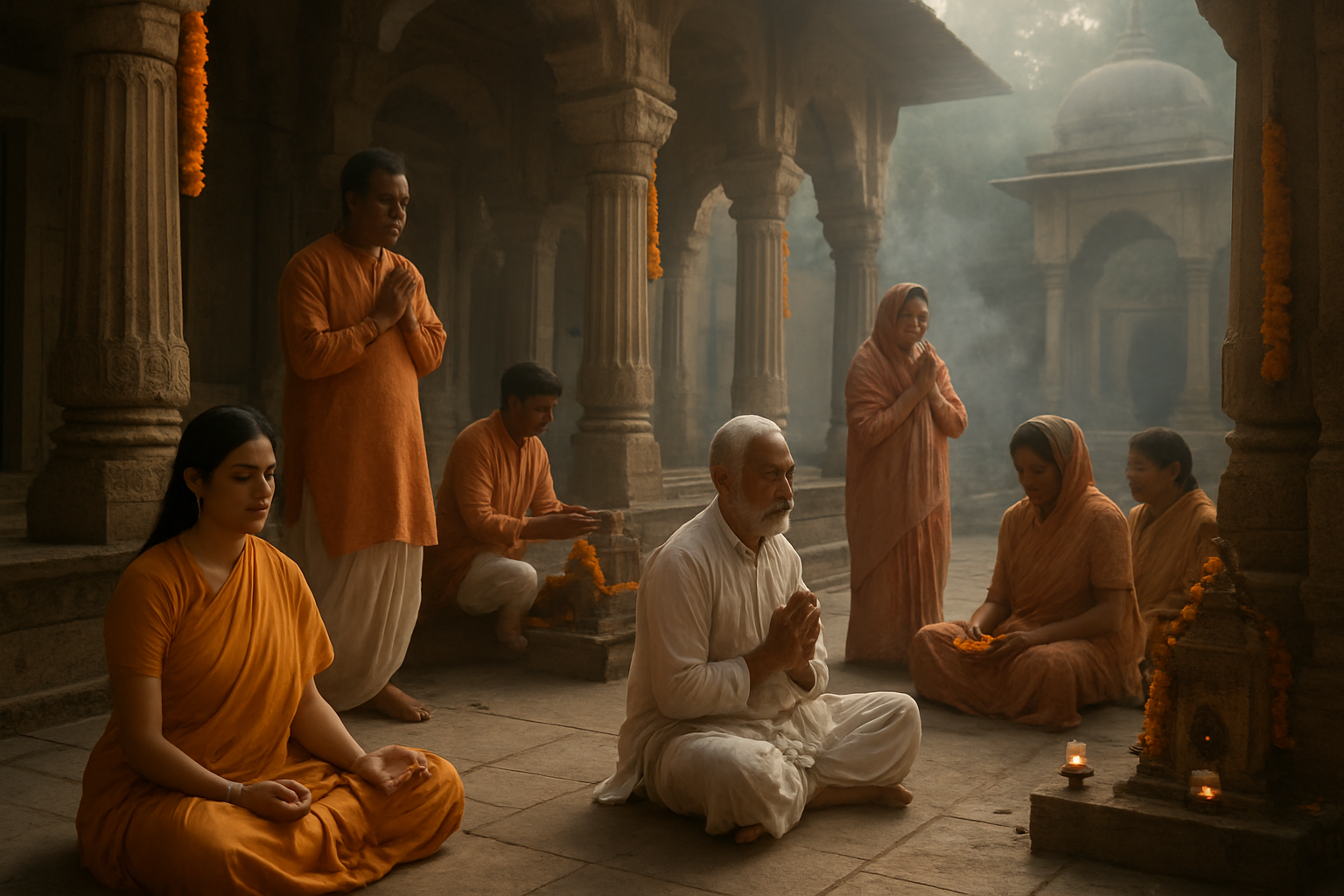
Walking the sacred parikrama path around Vrindavan temples creates a profound spiritual experience that connects you directly with Krishna’s divine presence. This ancient practice involves circumambulating holy sites while chanting mantras or simply maintaining meditative silence. The most sacred route encompasses the entire town, stretching approximately 10 kilometers through dusty lanes, ancient groves, and temple courtyards.
Start your parikrama before sunrise to experience the town’s spiritual energy at its peak. Local devotees join this daily ritual, creating a moving stream of faith that spans generations. The rhythm of footsteps on sacred soil naturally induces a meditative state, allowing thoughts to settle while devotion deepens. Many pilgrims report experiencing spontaneous tears of joy or overwhelming feelings of divine connection during these walks.
Each step carries spiritual significance, believed to purify karma and strengthen your relationship with the divine. The practice teaches patience, humility, and surrender as you navigate crowded pathways alongside fellow seekers from across the globe.
Joining Kirtan Sessions for Collective Devotional Singing
Vrindavan temples pulse with the sound of kirtan sessions that transform individual worship into collective spiritual ecstasy. These call-and-response chanting gatherings happen throughout the day at various temples, with the most powerful sessions occurring during evening hours when devotees gather in large numbers.
ISKCON Vrindavan hosts some of the most accessible kirtan sessions for international visitors, featuring melodious harmonium accompaniment and rhythmic tabla beats. The Banke Bihari Temple’s evening kirtan creates an atmosphere so charged with devotion that newcomers often find themselves swept into spontaneous dancing and chanting.
Traditional kirtan follows ancient ragas designed to evoke specific spiritual emotions. The repetitive nature of sacred mantras like “Hare Krishna” gradually dissolves ego boundaries, creating unity among participants regardless of language or cultural background. Regular participation develops your ability to enter meditative states through sound vibration.
Local kirtan groups welcome visitors to join their circles, offering instruction in proper pronunciation and rhythm. Many temples provide basic instruments like kartals (small cymbals) for newcomers to participate more fully in the musical offerings.
Experiencing Mangla Aarti Dawn Worship Rituals
Dawn aarti ceremonies in Vrindavan temples offer the most intimate glimpse into authentic Krishna worship traditions. These pre-sunrise rituals begin around 4:30 AM when temple doors open to reveal beautifully decorated deities adorned with fresh flowers and silk garments.
The Radha Raman Temple’s Mangla Aarti stands out as particularly moving, with hereditary priests performing elaborate rituals passed down through centuries. Oil lamps create dancing shadows while incense fills the air with sandalwood and jasmine fragrances. The gentle ringing of bells and soft chanting creates an atmosphere that feels removed from ordinary time.
Banke Bihari’s dawn ceremony draws thousands of devotees who press close for darshan (sacred viewing) of the playful deity. The priest’s rhythmic movements with oil lamps trace patterns of light that seem to bring the marble deity to life. Devotees throw flower petals and call out “Radhe Radhe” in passionate devotion.
Arriving early ensures better viewing positions and allows you to witness the temple’s gradual awakening. The contrast between quiet pre-dawn streets and the explosive joy of aarti creates a spiritual journey that begins in contemplative silence and culminates in ecstatic celebration.
Learning from Local Sadhus and Spiritual Teachers
Vrindavan attracts genuine spiritual masters who share profound wisdom with sincere seekers. These sadhus and teachers offer insights into Krishna consciousness that textbooks cannot convey, speaking from direct experience of divine realization. Their teachings range from practical meditation techniques to esoteric spiritual concepts explained through everyday analogies.
Many accomplished teachers hold informal satsangs (spiritual gatherings) in temple courtyards or ashram gardens. These sessions provide opportunities to ask questions about spiritual practices and receive personalized guidance for your faith journey. The intimate setting allows for deeper exchanges than formal lectures permit.
Respected teachers like those at the Vrindavan Institute for Higher Education combine traditional knowledge with contemporary understanding, making ancient wisdom accessible to modern seekers. Their classes on Bhagavad Gita and Srimad Bhagavatam reveal layers of meaning that transform intellectual knowledge into lived spiritual experience.
Approaching teachers with humility and genuine curiosity opens doors to profound learning. Many offer specific practices tailored to individual temperaments and spiritual goals. Regular attendance at their teachings creates mentor relationships that continue long after your pilgrimage ends, providing ongoing support for your spiritual development.
Practical Pilgrimage Planning for Maximum Spiritual Benefits
Best seasons and festival times for temple visits
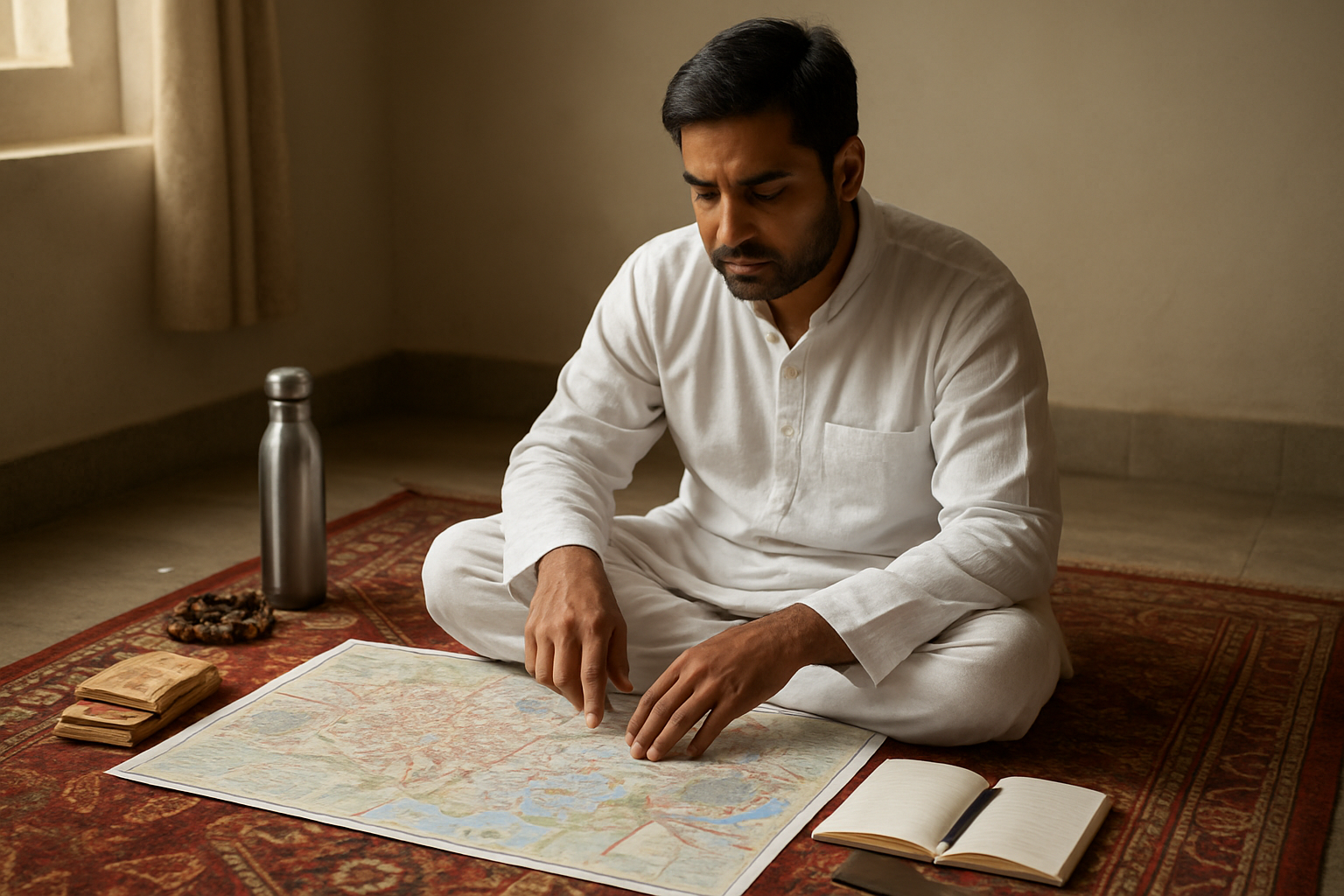
Planning your spiritual journey Vrindavan around the right seasons transforms your experience completely. October through March offers the most comfortable weather for pilgrimage Vrindavan, with pleasant temperatures perfect for walking between sacred temples India. The scorching summer months from April to June can be challenging, though dedicated devotees still flock to Vrindavan temples during this period.
Festival seasons create magical atmospheres that amplify spiritual energy. Janmashtami (Krishna’s birthday) typically falls in August or September, drawing millions of pilgrims to witness spectacular celebrations across Krishna temples Vrindavan. The entire town pulsates with devotional fervor, but expect massive crowds and book accommodations well in advance.
Holi in Vrindavan offers an unparalleled experience, especially at the famous Banke Bihari Temple where celebrations last for days. The festival usually occurs in March, combining favorable weather with incredible spiritual energy. Radhashtami, celebrating Radha’s appearance, provides another deeply moving experience with fewer crowds than major festivals.
Consider visiting during Kartik month (October-November) when devotees perform special prayers and the weather remains perfect. This period offers authentic spiritual practices Vrindavan experiences without overwhelming tourist numbers.
Accommodation options near major temples
Vrindavan travel guide recommendations include diverse lodging options catering to different spiritual seekers and budgets. Ashrams provide the most authentic experience, offering simple rooms, vegetarian meals, and opportunities to participate in daily prayers and meditation sessions.
Popular ashram choices include:
- ISKCON Guest House: Modern facilities with spiritual ambiance
- Vrindavan Dham Guest House: Traditional accommodations near major temples
- Radha Raman Temple Guest House: Simple rooms with temple proximity
- MVT Guest House: Clean, affordable options for budget pilgrims
Hotels range from budget guesthouses to luxury establishments. Many family-run hotels near holy places Vrindavan offer personalized service and local insights. Book early during festival seasons as accommodations fill quickly.
Dharamshalas (pilgrim rest houses) provide extremely budget-friendly options, though amenities remain basic. These traditional accommodations connect you with fellow devotees and create authentic pilgrimage experiences.
Location matters significantly. Staying near the Yamuna River or central temple areas allows easy walking access to multiple divine temples Krishna without relying on transportation.
Local customs and dress codes for respectful worship
Respecting local customs enhances your religious tourism Vrindavan experience while showing proper devotion. Conservative dress codes apply to all Vrindavan temples, requiring covered shoulders, arms, and legs. Men should wear long pants and shirts with sleeves, while women need modest clothing covering the entire body.
Traditional Indian attire receives warm welcome from locals and temple authorities. Kurtas, sarees, or salwar suits demonstrate cultural respect and spiritual sincerity. Avoid tight-fitting clothes, shorts, sleeveless tops, or revealing outfits completely.
Remove shoes before entering temple premises – most temples provide shoe storage facilities for small fees. Carry socks during winter months as marble floors become quite cold.
Photography restrictions vary by temple. Some Krishna temples Vrindavan prohibit cameras entirely, while others allow photography in certain areas only. Always ask permission before taking photos and never photograph the main deities during aarti ceremonies.
Maintain silence during prayers and avoid using mobile phones inside temple sanctums. Join devotional singing when invited, but observe quietly if you’re unfamiliar with customs. Touching temple walls, pillars, or deities requires permission and proper purification rituals.
Offering flowers, sweets, or donations shows devotion but isn’t mandatory. Purchase offerings from authorized temple shops to ensure proper sanctification.
Transportation tips for navigating between sacred sites
Navigating between holy places Vrindavan requires strategic planning as temples spread across the town. Auto-rickshaws provide convenient transportation for short distances, though negotiate fares beforehand to avoid overcharging. Shared auto-rickshaws offer budget-friendly options for common routes between major temples.
Cycle-rickshaws move slowly but allow peaceful temple-to-temple journeys with time for reflection. These traditional vehicles suit visitors preferring leisurely spiritual journey Vrindavan experiences. Electric rickshaws have become popular eco-friendly alternatives providing quiet, comfortable rides.
Walking remains the most spiritual transportation method, allowing spontaneous stops at smaller shrines and interaction with local devotees. The main temple circuit covers approximately 5-6 kilometers, easily walkable for most pilgrims during cooler months.
Temple buses operate during major festivals, connecting distant temples with central locations. These services help manage crowd flow and reduce traffic congestion during peak periods.
| Transportation | Best For | Approximate Cost | Spiritual Benefits |
|---|---|---|---|
| Walking | Short distances, spiritual connection | Free | Maximum interaction with devotees |
| Cycle-rickshaw | Leisurely temple visits | ₹20-50 per ride | Peaceful, reflective journey |
| Auto-rickshaw | Quick temple hopping | ₹50-100 per ride | Efficient time management |
| Shared transport | Budget-conscious pilgrims | ₹10-30 per ride | Community experience |
Hire dedicated drivers for full-day Vrindavan travel guide experiences, especially helpful for elderly pilgrims or those with limited mobility. Local drivers know temple schedules, festival timings, and optimal visiting sequences for maximum spiritual benefits.
 Vrindavan offers an unmatched spiritual adventure that touches your heart and awakens your soul. The sacred temples here carry centuries of devotion and divine energy that visitors can feel the moment they step inside. From the grand Banke Bihari Temple to hidden ashrams tucked away in quiet lanes, each sacred space provides unique opportunities for deep spiritual connection and personal transformation.
Planning your pilgrimage thoughtfully makes all the difference in your spiritual journey. Take time to research the temples, understand their significance, and prepare yourself mentally for this sacred experience. Whether you spend three days or three weeks exploring these divine spaces, Vrindavan has the power to change how you see faith, devotion, and your own spiritual path. Pack light, keep an open heart, and get ready for a journey that will stay with you long after you return home.