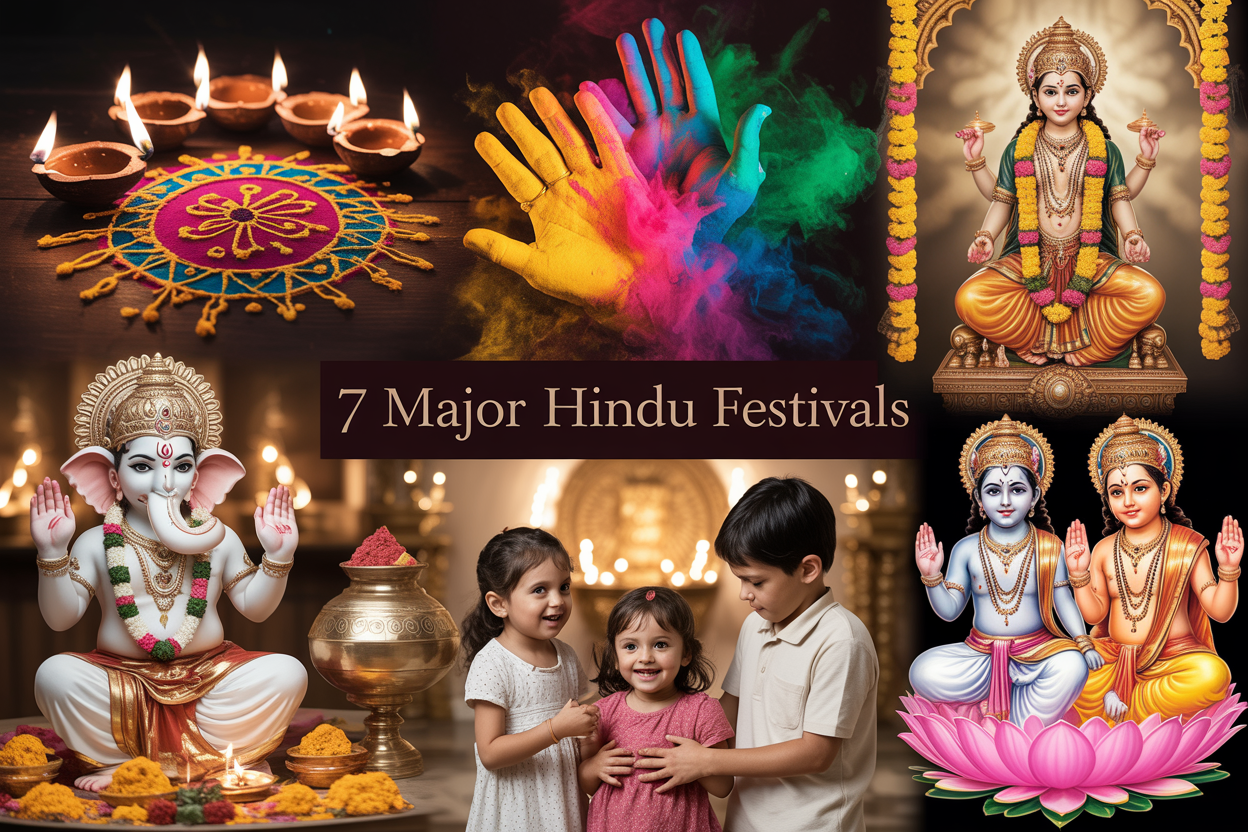
Hindu festivals bring millions of people together in joyful celebration, but many don’t fully understand the deeper meanings behind these colorful traditions. This guide is perfect for anyone curious about Hindu culture, families wanting to teach their children about these celebrations, or people who’ve been invited to festival gatherings and want to participate meaningfully.
Why do we celebrate these 7 major Hindu festivals? Each celebration serves a unique purpose in Hindu spiritual and cultural life, from honoring divine stories to strengthening family bonds and marking seasonal changes. We’ll explore the cultural significance behind Hindu festival celebrations and discover how these ancient traditions continue to enrich modern lives.
You’ll learn about the spiritual stories that sparked these festivals, like how Diwali celebrates the victory of light over darkness and why Holi marks the triumph of good over evil. We’ll also uncover the practical ways these celebrations strengthen communities, from Karva Chauth’s focus on marital devotion to Ganesh Chaturthi’s emphasis on removing life’s obstacles. Finally, you’ll understand how these festivals connect people to nature’s rhythms and life’s important transitions.
Understanding the Cultural Significance Behind Hindu Festival Celebrations
Preserving Ancient Traditions and Religious Heritage
Hindu festivals serve as living bridges connecting modern communities to their ancestral wisdom and spiritual practices. These celebrations carry forward rituals, stories, and customs that have been carefully preserved across thousands of years. Each festival encapsulates specific teachings from ancient scriptures like the Vedas, Puranas, and epics such as the Ramayana and Mahabharata.
When families gather to perform traditional pujas, light diyas, or share festive meals, they’re not just following customs—they’re actively participating in an unbroken chain of cultural transmission. The Sanskrit mantras chanted during these occasions, the specific ingredients used in ceremonial foods, and even the colors worn all carry deep symbolic meanings rooted in Hindu philosophy.
These festivals also preserve regional variations and local traditions that might otherwise disappear in our rapidly changing world. Different states and communities celebrate the same festivals with unique customs, ensuring that local cultural heritage remains vibrant. For instance, Diwali celebrations in Bengal differ significantly from those in Gujarat, yet both maintain the festival’s core spiritual essence while honoring regional traditions.
Strengthening Community Bonds and Social Connections
Hindu festivals naturally bring people together, creating powerful opportunities for community building and social harmony. Neighbors who might rarely interact throughout the year find themselves sharing sweets, collaborating on decorations, and participating in group celebrations during festival seasons.
Community-organized events like Ganesh Chaturthi processions, Navaratri dance gatherings, and Holi color celebrations break down social barriers and create inclusive spaces where people from different backgrounds can connect. These festivals often involve collective preparation—from cooking traditional foods to creating decorative items—which encourages cooperation and shared responsibility.
The practice of visiting friends, family, and neighbors during festivals strengthens existing relationships while creating new ones. Children learn social skills by participating in group activities, while adults maintain important social networks that provide support throughout the year. Many festivals specifically encourage acts of charity and community service, reinforcing the Hindu principle of seva (selfless service) and creating a culture of mutual care and support.
Passing Down Moral Values to Future Generations
Each Hindu festival serves as a powerful educational tool, transmitting essential moral and ethical teachings through engaging stories and meaningful rituals. Children naturally absorb these lessons while participating in festival activities, making value education enjoyable rather than preachy.
Diwali teaches the triumph of good over evil through the story of Ram’s return to Ayodhya, while Ganesh Chaturthi emphasizes the importance of removing obstacles through wisdom and perseverance. Holi conveys messages about equality and forgiveness, while Karva Chauth highlights dedication and sacrifice in relationships.
These festivals use multiple learning approaches—storytelling, role-playing, hands-on activities, and visual symbolism—making moral concepts accessible to children of all ages. When kids help prepare festival foods, create rangoli patterns, or participate in prayers, they’re simultaneously learning values like patience, creativity, devotion, and respect for tradition.
The intergenerational nature of festival celebrations creates natural mentoring opportunities where grandparents and parents can share wisdom through personal stories and explanations of ritual significance. This organic teaching method often proves more effective than formal moral instruction, as children associate positive emotions and family bonding with important life lessons.
Diwali – The Festival of Lights That Illuminates Lives
Celebrating the Victory of Good Over Evil
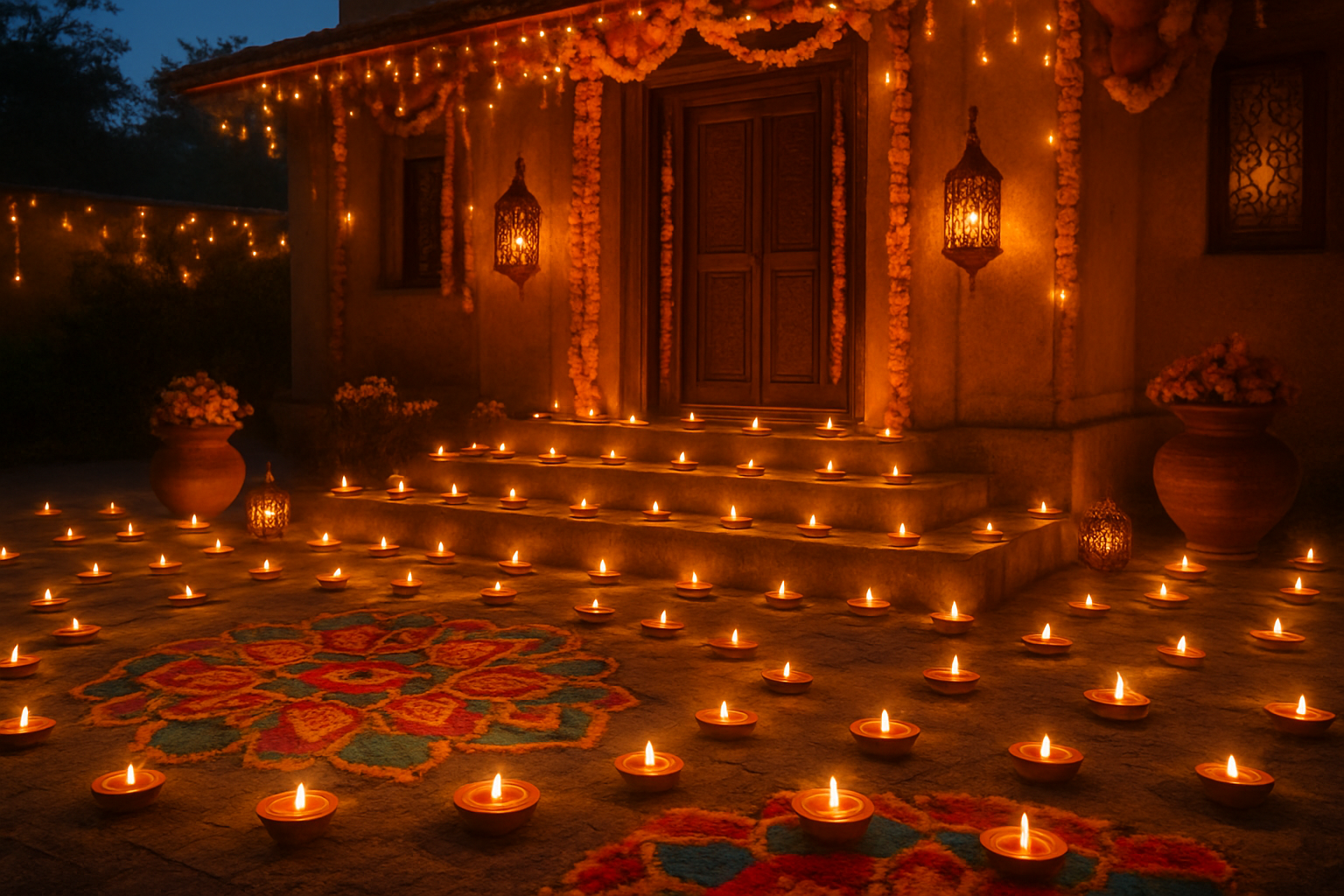
Diwali tells the powerful story of light conquering darkness, both literally and metaphorically. The festival marks Lord Rama’s triumphant return to Ayodhya after his 14-year exile and victory over the demon king Ravana. People across India light oil lamps called diyas to recreate the path that helped Rama find his way home, symbolizing hope guiding us through life’s darkest moments.
This theme resonates deeply because everyone faces personal battles against negative forces – whether it’s overcoming bad habits, toxic relationships, or inner demons like fear and doubt. When families gather to light lamps together, they’re not just following tradition; they’re actively choosing to invite positivity into their lives and push away whatever darkness they’ve been carrying.
The beautiful rows of flickering lights serve as visual reminders that even the smallest flame can illuminate an entire room. This metaphor speaks to how individual acts of kindness, courage, and righteousness can create ripple effects that transform entire communities.
Honoring Goddess Lakshmi for Prosperity and Wealth
Lakshmi Puja forms the heart of Diwali celebrations, where families create elaborate altars adorned with marigold flowers, rangoli designs, and countless diyas to welcome the goddess of prosperity. People believe that Lakshmi visits only clean, well-lit homes, which explains why families spend days deep-cleaning and decorating their houses before the festival.
The concept of wealth here goes beyond just money. Lakshmi represents abundance in all forms – good health, loving relationships, knowledge, spiritual growth, and yes, financial stability too. When devotees offer prayers and sweets to her, they’re expressing gratitude for what they already have while asking for continued blessings.
Many business owners open new account books on Diwali, treating it as an auspicious time to start fresh ventures or expand existing ones. Gold purchases spike during this time because the metal is considered sacred to Lakshmi. Even the practice of giving gifts and sweets to neighbors and employees reflects the belief that sharing prosperity attracts more abundance.
Creating Family Unity Through Shared Rituals
Diwali brings scattered family members together like no other festival can. Siblings travel hundreds of miles to celebrate with parents, creating an atmosphere where multiple generations bond over shared activities. The preparation process itself strengthens family ties – grandmothers teach traditional sweet recipes to daughters-in-law, children help arrange diyas, and everyone contributes to creating intricate rangoli patterns at the entrance.
The five-day celebration structure allows families to spend quality time together without the rush of modern life interfering. From Dhanteras shopping to Bhai Dooj gift exchanges, each day offers opportunities for meaningful connection. Card games and gambling (considered lucky during Diwali) become family traditions that create lasting memories and inside jokes.
Extended family networks also get reinforced as people visit relatives, exchange gifts, and renew relationships that might have grown distant throughout the year. The festival serves as an annual reset button for family dynamics, encouraging forgiveness and fresh starts.
Cleansing Negative Energy from Homes and Hearts
The pre-Diwali cleaning ritual goes far deeper than regular housework. Families clean every corner, repaint walls, replace old items, and organize spaces they’ve neglected all year. This physical transformation creates a psychological shift too – clearing clutter from homes often helps clear mental clutter as well.
The practice of lighting lamps in every room, balcony, and entrance drives away stagnant energy and creates a vibrant, positive atmosphere. Many families burn sage or use specific incense during cleaning to purify the air and invite fresh energy. Old, broken items get discarded, making space for new opportunities and experiences.
People also use this time for emotional cleansing – resolving conflicts with friends, asking for forgiveness, or letting go of grudges they’ve been holding. The festival’s emphasis on new beginnings encourages personal reflection and conscious choices to release whatever no longer serves their growth and happiness.
Holi – The Colorful Celebration of Love and Renewal
Welcoming Spring and New Beginnings
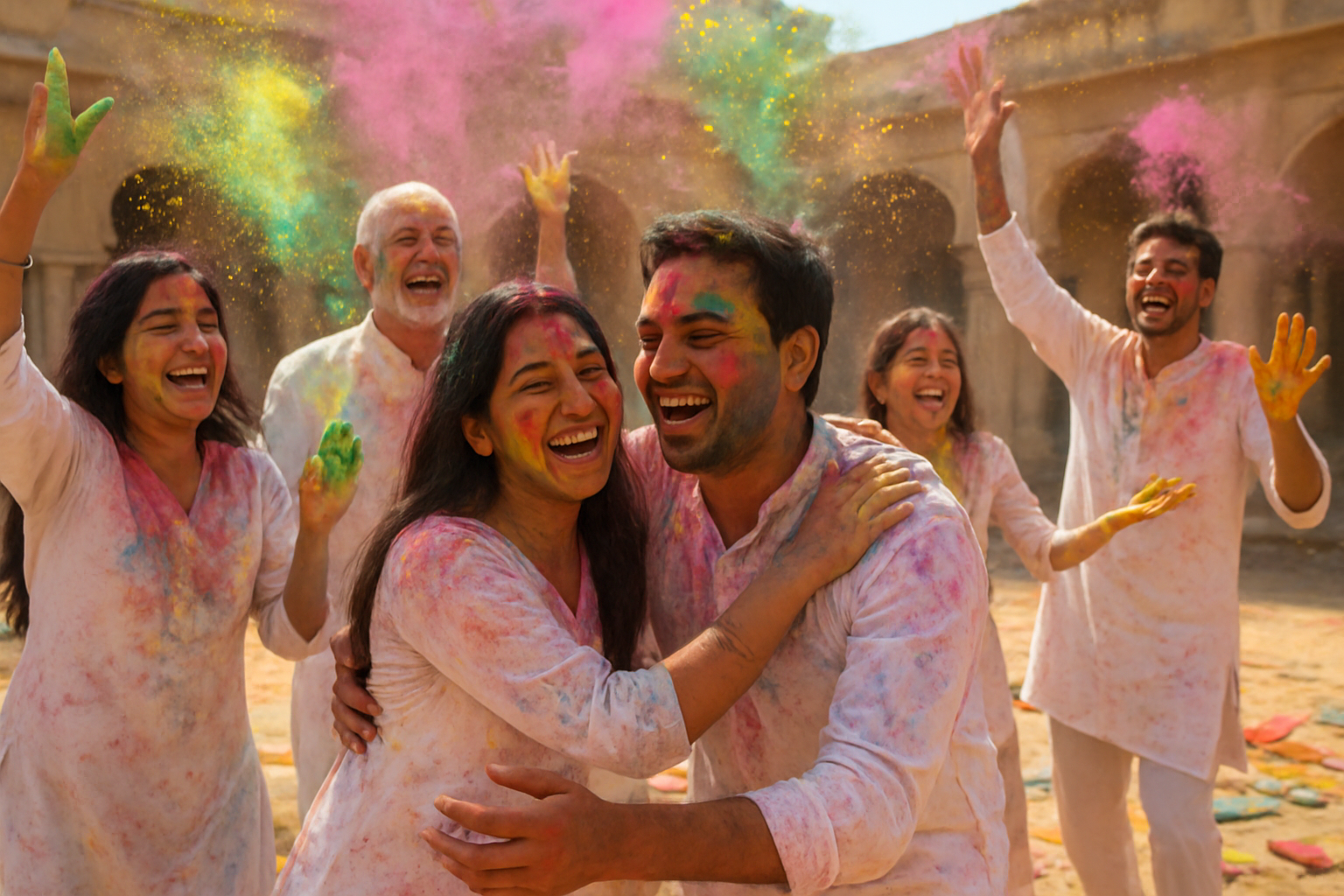
Holi arrives at the perfect moment when winter loosens its grip and spring begins to paint the world anew. This vibrant festival coincides with the full moon in the Hindu month of Phalguna, typically falling in March when nature itself celebrates with blooming flowers and fresh greenery. The timing isn’t accidental – it represents humanity’s ancient connection to seasonal cycles and our deep-rooted desire to welcome positive change.
The festival marks the end of harsh winter months and celebrates the abundance that spring brings. Farmers especially cherish this time as it signals the harvest of winter crops and the promise of new planting seasons. The colors thrown during Holi mirror nature’s own palette – the yellows of mustard fields, the reds of roses, and the greens of new leaves.
People use this celebration to shed old grievances and start fresh relationships. The act of applying colors symbolizes washing away past mistakes and embracing new possibilities. Many families choose this time to reconcile differences, forgive old hurts, and strengthen bonds that may have weakened over time.
Breaking Down Social Barriers Through Play
Holi creates a unique social phenomenon where traditional hierarchies temporarily dissolve in clouds of colored powder. During this celebration, people from different castes, classes, and social positions come together as equals, playing with the same enthusiasm and joy.
The playful nature of the festival allows for interactions that wouldn’t typically occur in everyday life. Servants playfully color their employers, students engage with teachers, and strangers become friends through shared laughter and celebration. This temporary suspension of social norms serves an important cultural function – it reminds everyone of our shared humanity.
Key aspects of social equality during Holi:
- Rich and poor play together without distinction
- Age differences become irrelevant as everyone participates
- Gender roles relax as women and men celebrate jointly
- Community bonds strengthen through collective participation
The festival also provides a safe space for expressing emotions that might otherwise remain suppressed. Young people can approach elders with colors, creating moments of connection across generational gaps. This playful rebellion against social conventions helps maintain social harmony by providing an outlet for tensions.
Commemorating Krishna’s Divine Love Stories
The legends surrounding Lord Krishna add profound spiritual meaning to Holi’s colorful celebrations. The most beloved story tells of young Krishna’s playful complaints about his dark complexion compared to Radha’s fair skin. His mother Yashoda suggested he playfully color Radha’s face, creating the tradition of applying colors to loved ones.
Krishna’s mischievous nature, particularly his love for playing pranks with colors and water, became central to Holi celebrations. His stories teach that divine love transcends physical appearances and social expectations. The Gopis (cowherd girls) and Krishna’s color play represents the soul’s joyful union with the divine.
Krishna’s teachings through Holi celebrations:
- Love knows no boundaries or conventions
- Playfulness and joy are paths to spiritual connection
- Divine grace comes through surrendering to love’s colorful expressions
- Community celebration strengthens spiritual bonds
The Radha-Krishna love story particularly resonates during Holi, symbolizing the eternal dance between the individual soul and universal consciousness. Their playful interactions remind devotees that approaching the divine with a light heart and joyful spirit can be as powerful as serious meditation or ritual worship.
Many temples organize special Holi celebrations recreating Krishna’s Vrindavan pastimes, where devotees experience the same divine play that the cowherd boys and girls enjoyed thousands of years ago.
Navaratri – Nine Nights of Divine Feminine Power
Worshipping Different Forms of Goddess Durga
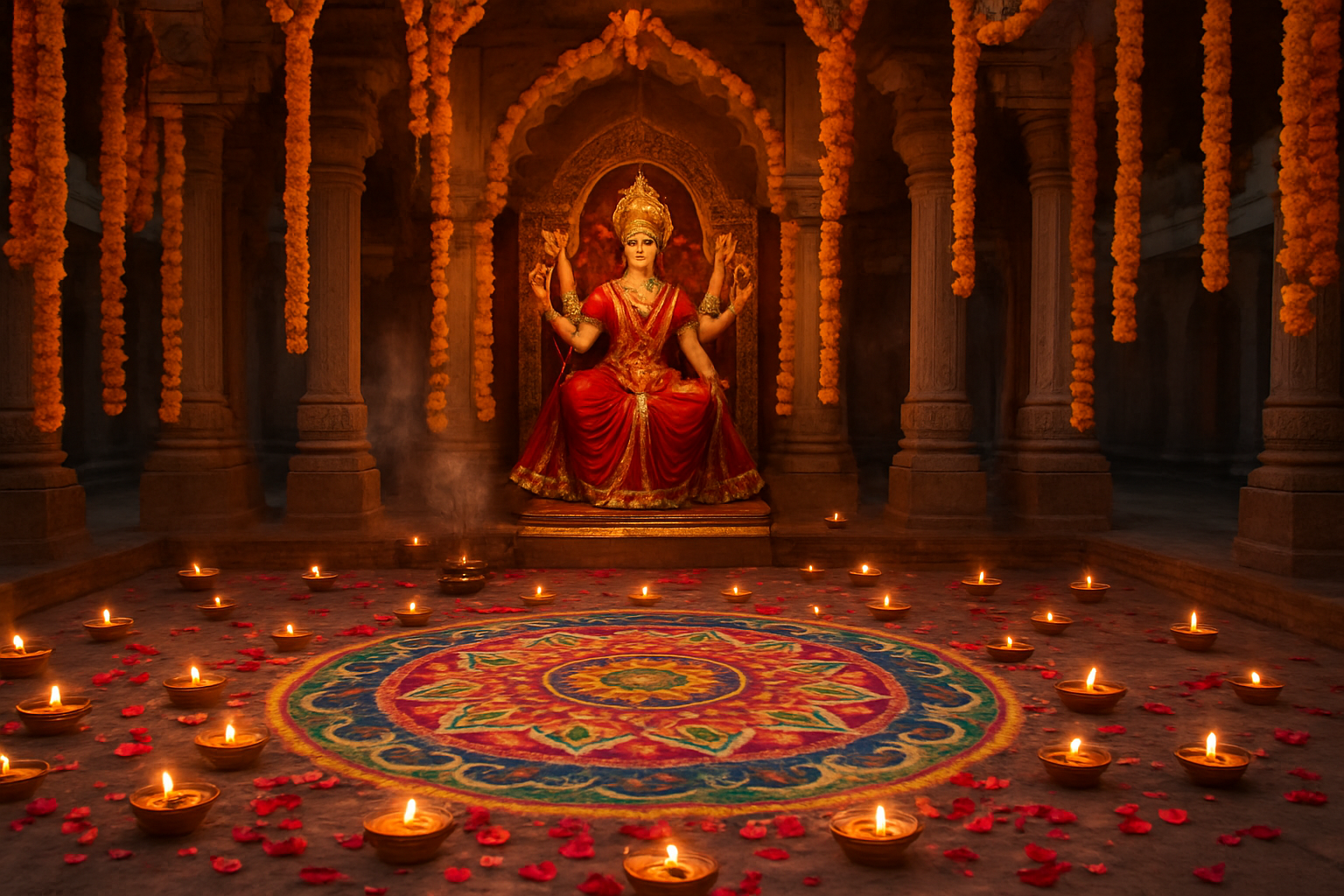
During Navaratri, devotees honor nine distinct manifestations of Goddess Durga, each representing unique divine qualities and powers. The festival follows a specific pattern where each night is dedicated to a particular form – Shailaputri, Brahmacharini, Chandraghanta, Kushmanda, Skandamata, Katyayani, Kaalratri, Mahagauri, and Siddhidatri. These forms symbolize different aspects of feminine energy, from nurturing motherhood to fierce protection against evil.
Each goddess carries specific significance and blessings. Shailaputri represents purity and strength, while Brahmacharini embodies devotion and penance. Chandraghanta brings peace and serenity, and Kushmanda is believed to create the universe with her divine smile. The worship progresses through maternal love with Skandamata, warrior spirit with Katyayani, and the destroyer of darkness with Kaalratri.
Devotees create elaborate altars, offer specific flowers, and recite mantras dedicated to each form. The colors associated with each day hold deep meaning – red for passion and strength, blue for tranquility, and white for purity. Traditional rituals include lighting oil lamps, performing aarti, and preparing special offerings that please each divine form. This systematic worship helps devotees connect with different aspects of divine feminine energy throughout the nine-day celebration.
Embracing Inner Strength and Spiritual Growth
Navaratri serves as a powerful period for personal transformation and spiritual awakening. The nine nights represent a journey inward, where devotees work on purifying their minds and strengthening their spiritual resolve. Each day offers opportunities for self-reflection, meditation, and releasing negative patterns that hold back personal growth.
The festival encourages people to tap into their inner warrior spirit, much like Goddess Durga who conquered the buffalo demon Mahishasura. This symbolism resonates deeply with modern life challenges, inspiring individuals to face their own “demons” – whether they’re bad habits, fears, or limiting beliefs. Prayer, fasting, and dancing become tools for building mental resilience and emotional balance.
Many devotees use this time to practice extended meditation, read sacred texts, and engage in meaningful conversations about life’s purpose. The community aspect of celebration creates a supportive environment where people share their spiritual experiences and learn from each other. Dance forms like Garba and Dandiya become moving meditations, combining physical activity with devotional practice. The rhythmic movements and music help release stress while connecting participants to divine energy, creating a holistic approach to spiritual development that addresses mind, body, and soul.
Celebrating Women’s Role in Society
Navaratri stands as one of Hinduism’s most prominent celebrations of feminine power and women’s contributions to society. The festival places the divine feminine at the center of worship, recognizing women as embodiments of Shakti – the creative and protective force of the universe. This celebration goes beyond religious boundaries to honor women’s multifaceted roles as mothers, leaders, creators, and protectors.
Traditional practices during Navaratri include Kanya Puja, where young girls are worshipped as living goddesses and fed with reverence. This ritual reinforces the belief that divine energy manifests through women at every stage of life. Families invite women to their homes, offer gifts, and seek their blessings, acknowledging their wisdom and spiritual strength.
The festival also highlights women’s leadership in organizing community events, managing elaborate decorations, and preserving cultural traditions. Women take charge of teaching dance forms, coordinating group activities, and ensuring everyone feels included in the celebration. Modern Navaratri celebrations often feature women entrepreneurs showcasing their businesses, artists displaying their work, and community leaders sharing their achievements. This creates platforms for women to shine while maintaining the festival’s spiritual essence, bridging ancient wisdom with contemporary empowerment.
Purifying Mind and Body Through Fasting
Fasting during Navaratri goes far beyond dietary restrictions – it represents a comprehensive approach to physical and mental purification. Devotees typically avoid grains, certain vegetables, and non-vegetarian foods, instead consuming fruits, milk products, and special fasting foods like kuttu flour and singhare ka atta. This dietary shift helps reset the digestive system while promoting mindful eating habits.
The practice of fasting creates space for spiritual activities by reducing time spent on elaborate meal preparation and consumption. This freed-up time gets redirected toward prayer, meditation, and community service. Many people report increased energy levels and mental clarity during fasting periods, attributing these benefits to the body’s natural detoxification process and the spiritual focus that accompanies it.
| Fasting Benefits | Physical Impact | Spiritual Impact |
|---|---|---|
| Digestive Rest | Improved gut health | Enhanced meditation |
| Mental Clarity | Increased energy | Deeper focus |
| Self-Discipline | Better metabolism | Stronger willpower |
| Toxin Removal | Cleaner system | Purified thoughts |
The psychological aspects of fasting build tremendous self-control and discipline. Breaking old eating patterns requires mental strength, which translates into other areas of life. Many devotees use fasting as an opportunity to break other negative habits, making Navaratri a period of comprehensive lifestyle transformation that honors both physical health and spiritual growth.
Ganesh Chaturthi – Removing Obstacles and Inviting Success
Seeking Blessings for New Ventures and Projects
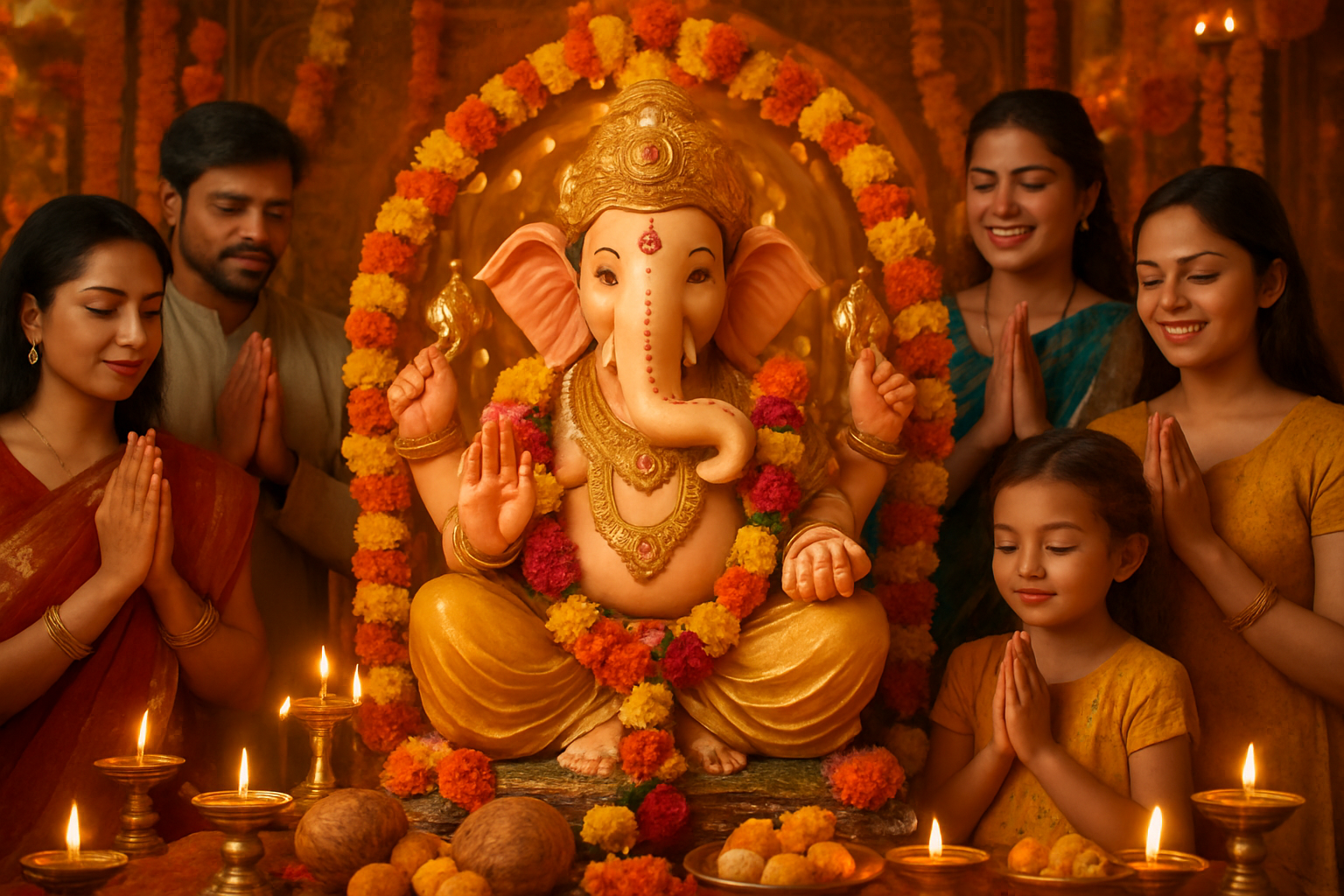
When you think about starting something new, Ganesh Chaturthi becomes the perfect time to seek divine blessings. Lord Ganesha, known as the remover of obstacles, holds a special place in Hindu tradition as the deity you approach before beginning any important venture. Whether you’re launching a business, moving to a new home, starting a new job, or even beginning your child’s education, devotees turn to Ganesha for guidance and protection.
The timing of this festival creates a natural opportunity for families and individuals to reflect on their goals and aspirations. Many people use these eleven days to perform special prayers and rituals, asking Ganesha to clear the path ahead and grant wisdom for making smart decisions. Business owners often organize special pujas in their offices, while students pray for academic success.
What makes this tradition particularly meaningful is how it connects personal ambitions with spiritual practice. The act of seeking blessings isn’t just about asking for help – it’s about acknowledging that success requires both human effort and divine grace. This perspective encourages people to approach their goals with humility and dedication, knowing that obstacles are part of the journey but can be overcome with the right mindset and divine support.
Building Community Spirit Through Public Celebrations
Ganesh Chaturthi transforms entire neighborhoods into vibrant celebration hubs, bringing people together in ways few other festivals can match. Community groups, called mandals, work for months preparing elaborate pandals (temporary structures) that house beautifully crafted Ganesha idols. These aren’t just religious displays – they become neighborhood gathering places where people from all walks of life come together.
The collaborative effort required to organize these celebrations builds incredible bonds between neighbors. Families contribute money, time, and skills to make their community’s celebration special. Young people get involved in decorating, organizing cultural programs, and managing logistics, while elders share their wisdom and oversee traditions. This shared responsibility creates a sense of ownership and pride that strengthens community ties.
During the festival days, these pandals become social centers where people visit, share meals, participate in cultural activities, and connect with their neighbors. Children learn about their heritage while playing with friends, and adults strengthen relationships that last throughout the year. The grand processions during visarjan (immersion) bring entire communities together in joyful celebration, creating memories and traditions that pass from generation to generation.
Teaching Environmental Consciousness Through Eco-Friendly Practices
Modern Ganesh Chaturthi celebrations have sparked important conversations about environmental responsibility. Traditional idols made from Plaster of Paris and chemical paints cause serious water pollution when immersed in rivers and seas. This realization has led many communities to embrace eco-friendly alternatives that honor both religious tradition and environmental stewardship.
Clay idols made from natural materials dissolve harmlessly in water, returning to earth without leaving harmful residues. Natural colors derived from turmeric, beetroot, and other plant sources replace toxic chemical paints, creating beautiful idols that don’t damage aquatic life. Some innovative communities have started making seed-embedded idols that can be planted after the festival, literally growing into plants that benefit the environment.
These eco-friendly practices teach valuable lessons about living in harmony with nature. Children learn that devotion doesn’t require harming the environment, and that small changes in how we celebrate can have significant positive impacts. Many families now make their own clay idols at home, turning preparation into a meaningful family activity that combines creativity, tradition, and environmental awareness. This shift represents how ancient festivals can evolve to address modern challenges while preserving their spiritual essence.
Karva Chauth – Strengthening Marital Bonds and Devotion
Expressing Unconditional Love Between Spouses
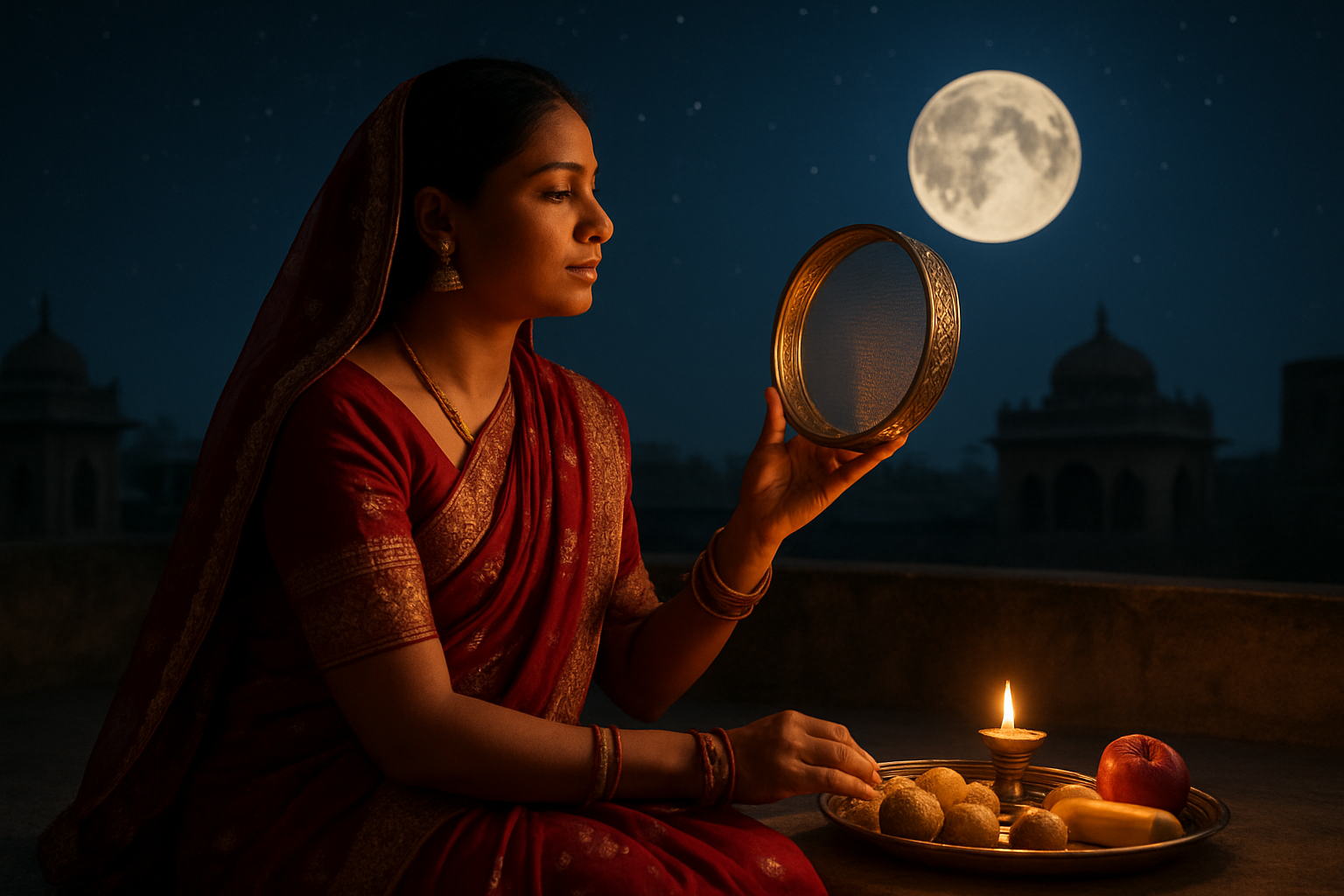
Karva Chauth transforms the simple act of fasting into a profound declaration of marital love. When wives observe this day-long fast without water, they’re essentially telling their husbands, “Your well-being matters more than my own comfort.” This gesture goes beyond mere tradition – it creates space for couples to acknowledge the depth of their commitment to each other.
The festival provides an opportunity for husbands to recognize their wives’ dedication through thoughtful gestures, gifts, and expressions of gratitude. Many modern couples have adapted the tradition, with husbands joining their wives in partial fasting or creating special moments throughout the day. This reciprocal appreciation strengthens emotional bonds and reminds couples why they chose each other in the first place.
Connecting with Ancient Traditions of Sacrifice
The roots of Karva Chauth stretch back thousands of years, when wives would pray for their husbands’ safe return from battles and long journeys. The karva (earthen pot) represents the vessel of life, while the ritual prayers connect modern women to generations of wives who offered similar devotions for their husbands’ protection and longevity.
These ancient practices remind us that sacrifice and selflessness have always been cornerstones of lasting relationships. The festival honors the timeless truth that meaningful partnerships require putting your partner’s needs alongside your own. Women today continue this tradition not out of obligation, but as a way to honor their ancestors and demonstrate their own strength and devotion.
Creating Sisterhood Among Married Women
Karva Chauth brings married women together in a unique celebration of feminine solidarity. Groups of wives gather to apply mehndi (henna), share stories, and support each other through the fasting period. These gatherings create lasting friendships and provide emotional support networks that extend far beyond the festival itself.
The communal aspect of the celebration helps women connect across generations, with mothers-in-law sharing wisdom and younger wives learning traditional songs and rituals. This shared experience builds understanding between women of different ages and backgrounds, creating bonds that strengthen entire communities. The festival becomes less about individual sacrifice and more about collective celebration of marriage and womanhood.
Reinforcing Commitment and Partnership Values
The structured rituals of Karva Chauth serve as an annual reminder of marriage vows and shared goals. When couples dress in their finest clothes and recreate elements of their wedding ceremony, they’re essentially renewing their commitment to each other. The evening prayers and exchange of gifts create intimate moments away from daily distractions.
This yearly practice helps couples reflect on their journey together and set intentions for the future. Many use this time to discuss dreams, resolve ongoing issues, or simply appreciate how far they’ve come as a team. The festival transforms marriage from a legal contract into an actively celebrated partnership, where both people regularly choose each other anew.
Ram Navami and Janmashtami – Celebrating Divine Incarnations
Learning Life Lessons from Lord Rama’s Righteousness
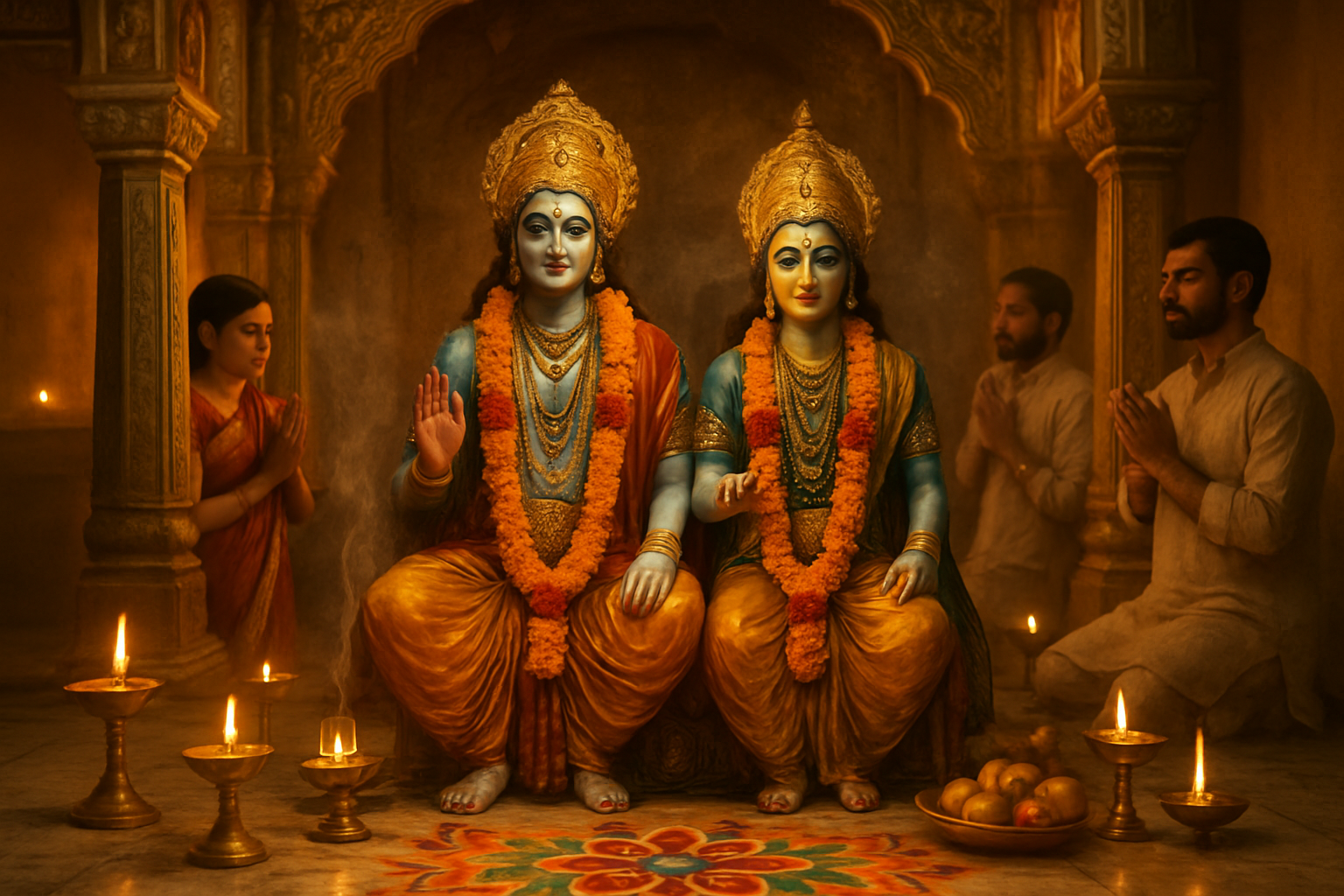
Ram Navami celebrates the birth of Lord Rama, whose life serves as the ultimate blueprint for righteous living. His unwavering commitment to dharma, even when faced with personal sacrifice, teaches us that doing the right thing isn’t always easy but remains essential for spiritual growth.
Rama’s exile to the forest demonstrates how true leaders accept responsibility without complaint. When his father King Dasharatha faced an impossible situation due to a promise made years earlier, Rama chose to honor his father’s word rather than fight for his rightful throne. This teaches us the power of keeping commitments and respecting our elders, even when it costs us dearly.
His relationship with Sita shows us the meaning of true partnership and mutual respect. Despite being a prince, Rama treated Sita as an equal, consulting her in decisions and standing by her through every trial. Their bond reminds us that healthy relationships are built on trust, communication, and shared values.
The way Rama treated his subjects also offers powerful lessons about leadership and service. He regularly walked among the people, listening to their concerns and putting their welfare above his own comfort. This approach to leadership – serving others rather than being served – remains relevant for anyone in positions of authority today.
Embracing Krishna’s Teachings of Love and Duty
Janmashtami honors Lord Krishna’s birth, celebrating a divine figure who taught us that life’s greatest wisdom often comes wrapped in joy and playfulness. Krishna’s teachings in the Bhagavad Gita provide practical guidance for navigating modern life’s complexities while maintaining our spiritual center.
Krishna’s concept of dharma differs slightly from Rama’s approach. Where Rama followed rules strictly, Krishna emphasized the spirit behind the rules. He showed us that sometimes we must act according to the situation’s deeper truth rather than rigid guidelines. This flexibility in thinking helps us make better decisions when facing moral dilemmas.
His teaching about performing our duties without attachment to results speaks directly to our achievement-obsessed culture. Krishna explained that we should give our best effort in everything we do but not let success or failure define our worth. This wisdom helps reduce anxiety and allows us to find satisfaction in the process rather than just the outcome.
The diverse relationships Krishna maintained – from childhood friends to devoted followers – show us how love can take many forms. Whether through his playful interactions with the gopis or his deep friendship with Arjuna, Krishna demonstrated that authentic connections require presence, understanding, and genuine care for others’ well-being.
Finding Inspiration for Moral Living
Both festivals provide clear examples of how divine principles translate into everyday choices. Rama and Krishna faced real challenges – betrayal, war, loss, and difficult decisions – yet maintained their moral compass through it all.
Their stories teach us that ethical living doesn’t mean perfection but rather the willingness to learn from mistakes and keep trying. Rama’s moments of doubt during Sita’s kidnapping and Krishna’s strategic decisions during the Mahabharata war show us that even divine incarnations grappled with complex situations requiring careful thought.
The festivals encourage us to examine our own values and actions. Do we speak truthfully even when lies might benefit us? Do we stand up for others when they’re being treated unfairly? Do we choose kindness over convenience? These questions, inspired by divine examples, help us grow into better versions of ourselves.
Both celebrations also emphasize that moral living benefits not just ourselves but our entire community. When we act with integrity, we create ripple effects that encourage others to do the same, building stronger, more trustworthy relationships and societies.
Connecting with Divine Energy Through Devotional Practices
Ram Navami and Janmashtami offer numerous ways to deepen our spiritual connection through traditional and personal practices. Reading or listening to their stories, whether from the Ramayana or Krishna’s various adventures, helps internalize their teachings while enjoying rich, entertaining narratives.
Chanting their names or mantras creates a meditative state that calms the mind and opens the heart. Many people find that repeating “Ram” or “Krishna” throughout the day brings peace and focuses attention on positive values. These simple practices require no special equipment or training, making them accessible to anyone seeking spiritual growth.
Participating in community celebrations during these festivals builds connections with others who share similar values. Whether through temple visits, cultural programs, or neighborhood gatherings, these shared experiences create bonds that support our spiritual journey while preserving important traditions.
The devotional practices associated with these festivals – from fasting to charity work to artistic expression through music and dance – provide multiple pathways for spiritual engagement. Each person can find approaches that resonate with their personality and circumstances, making the divine teachings personally meaningful and practically applicable.
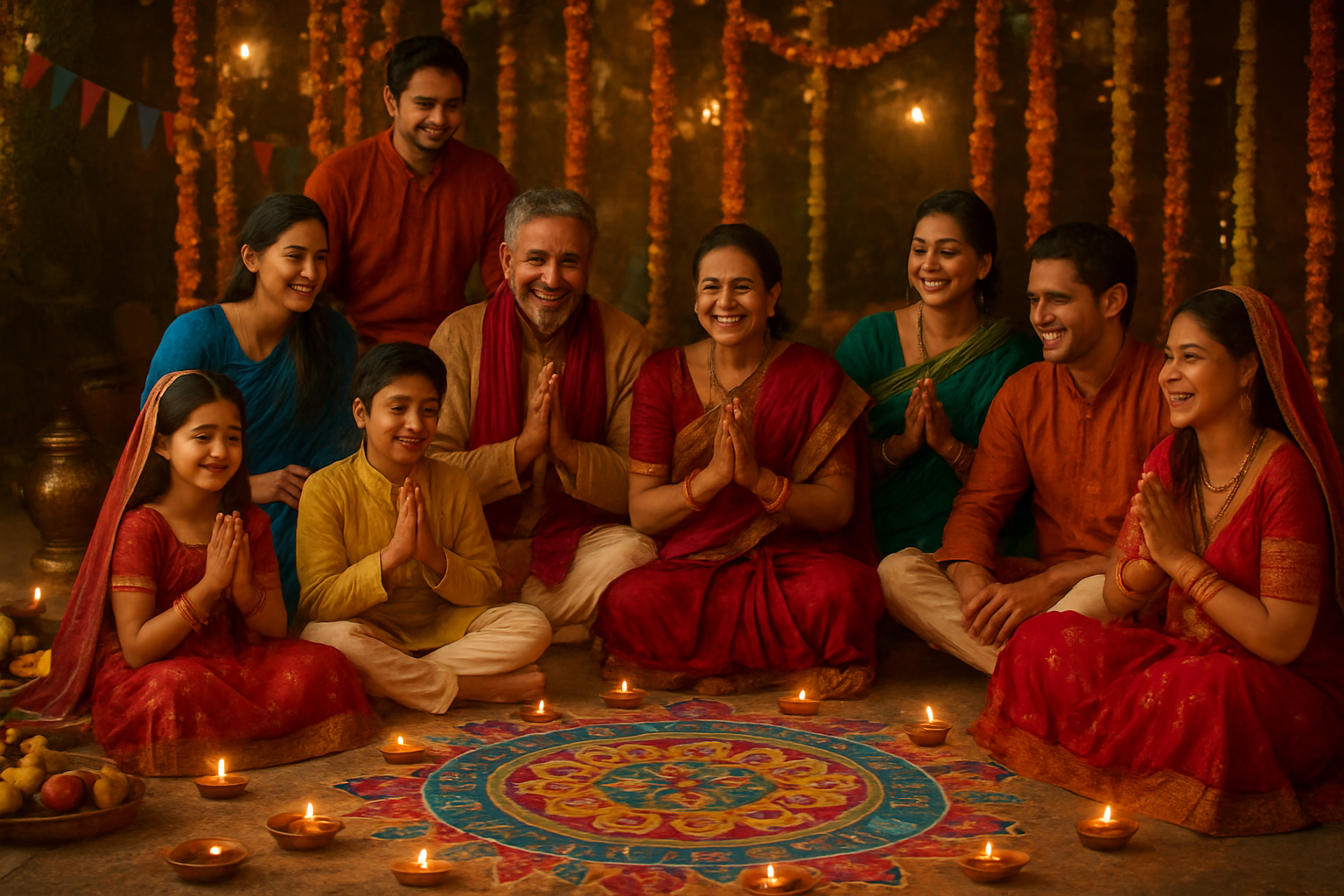
These seven Hindu festivals represent thousands of years of wisdom, tradition, and spiritual practice that continue to bring communities together today. Each celebration serves a unique purpose – from Diwali’s triumph of light over darkness to Holi’s joyful embrace of renewal, from Navaratri’s honoring of divine feminine energy to Ganesh Chaturthi’s removal of life’s obstacles. They teach us valuable lessons about love, devotion, courage, and the eternal battle between good and evil.
What makes these festivals truly special is how they blend spiritual significance with everyday life. They give families reasons to gather, communities opportunities to connect, and individuals moments to reflect on their values and aspirations. Whether you’re lighting diyas during Diwali, playing with colors during Holi, or fasting for Karva Chauth, these celebrations remind us that joy, faith, and togetherness are essential ingredients for a meaningful life. Next time you witness or participate in any of these festivals, you’ll understand the beautiful stories and deeper meanings that make them so cherished across generations.