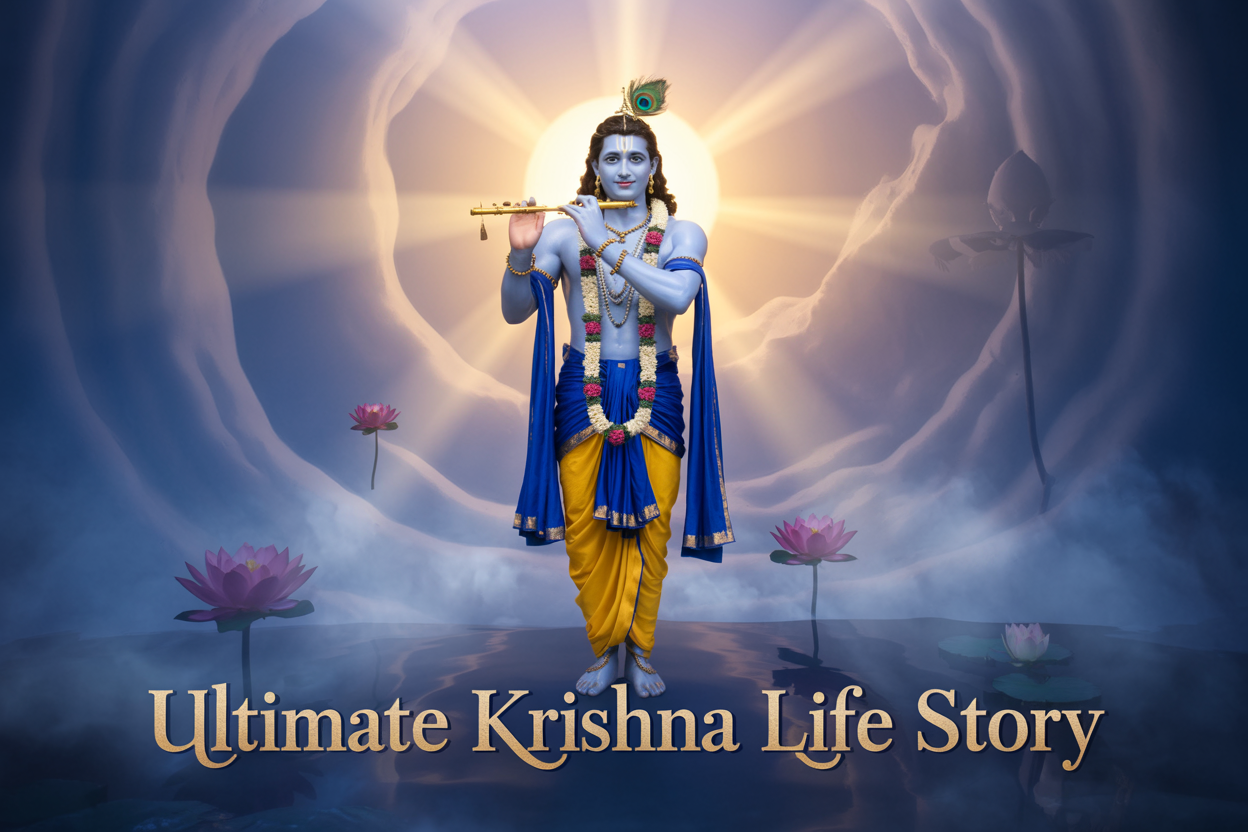
Krishna’s life story reads like the most incredible adventure ever told. This divine biography takes you through miraculous births, playful childhood escapades, romantic dances under moonlight, epic battles against demons, and revolutionary teachings that still guide millions today.
This thrilling journey through Krishna’s life is perfect for spiritual seekers, mythology enthusiasts, and anyone curious about Hindu culture’s most beloved figure. You’ll discover why Krishna remains such a powerful force in people’s lives thousands of years later.
We’ll explore Krishna’s childhood stories that show a mischievous butter thief performing impossible miracles, then dive into the famous Raas Leela where Krishna danced with devoted gopis in scenes of pure spiritual romance. You’ll also learn about Krishna’s fierce battles demons and his role as Arjuna’s charioteer delivering the life-changing Bhagavad Gita teachings on the battlefield.
Get ready to experience Krishna Leela tales that blend divine power with very human emotions, creating a spiritual journey unlike any other in Hindu mythology.
Birth and Divine Miracles That Changed Everything
Prophetic Warnings and Kamsa’s Terror Campaign
Dark clouds of destiny gathered over Mathura when a divine voice thundered across the wedding celebration of Princess Devaki and Vasudeva. The celestial prophecy was chilling: Devaki’s eighth son would bring about the destruction of her brother, the tyrannical King Kamsa. This supernatural warning transformed what should have been a joyous occasion into the beginning of a reign of terror that would shake the very foundations of the kingdom.
Kamsa’s paranoia knew no bounds as he launched a systematic campaign to eliminate any threat to his throne. The Krishna life story begins with this backdrop of fear and divine intervention, where earthly power clashed with celestial destiny. Kamsa immediately imprisoned his sister and brother-in-law, turning their lives into a nightmare of constant surveillance and dread. But his cruelty didn’t stop there – he ordered the massacre of every newborn in the region, hoping to prevent the prophesied child from ever reaching maturity.
Miraculous Birth in Mathura Prison Cell
On the eighth day of the dark fortnight in the month of Bhadrapada, the universe held its breath as Lord Krishna made his divine entrance into the world. The prison cell that had become Devaki and Vasudeva’s home was suddenly filled with an otherworldly radiance that seemed to push back the darkness of their captivity. This wasn’t just any ordinary birth – it was the arrival of divinity itself in human form.
The moment of Krishna’s birth was marked by extraordinary Krishna divine miracles that defied all natural laws. The heavy chains that bound Vasudeva’s hands and feet fell away as if they were made of mere threads. The massive iron doors of the prison swung open silently, their locks dissolving like morning mist. Even the guards, who had been vigilantly watching the cell, fell into a deep, enchanted sleep that nothing could disturb.
What makes this birth even more remarkable is that Krishna appeared first in his divine four-armed form, holding the conch shell, discus, club, and lotus flower – the traditional symbols of Vishnu. Vasudeva and Devaki were overwhelmed with both terror and reverence as they witnessed their newborn displaying the cosmic form of the Supreme Being. Only after their prayers and recognition of his divine nature did Krishna assume the appearance of an ordinary human baby.
Divine Transportation to Gokul Through Stormy Night
The night sky erupted into chaos as Vasudeva prepared to carry his newborn son to safety in Gokul. Nature itself seemed to be participating in this cosmic drama, unleashing torrential rains and fierce winds that would normally make travel impossible. Yet this wasn’t meant to be an obstacle – it was divine protection in disguise.
As Vasudeva stepped out of the prison with baby Krishna nestled in a wicker basket, the most incredible Krishna divine miracles began to unfold. The thousand-hooded serpent Adishesha materialized above them, spreading his massive hoods like an umbrella to shield the precious cargo from the driving rain. The river Yamuna, swollen with monsoon waters and usually impassable, began to part as they approached, creating a safe pathway just like the legendary parting of the Red Sea.
The journey to Gokul became a supernatural procession where every element of nature bowed before the divine child. The raging winds died down to gentle whispers, the lightning provided just enough illumination to guide their path, and the flooded streets of Mathura became as easy to navigate as a royal highway. Even more miraculous was the complete silence that surrounded them – despite the storm, not a single guard was awakened, not a dog barked, and not a soul stirred as they made their way through the sleeping city.
Early Supernatural Feats That Amazed Villagers
The peaceful village of Gokul had no idea that their lives were about to be turned upside down by the arrival of an extraordinary child. From his very first days with his foster parents Nanda and Yashoda, Krishna began displaying supernatural abilities that left everyone scratching their heads in wonder. These weren’t just party tricks – they were glimpses of divine power that would become legendary Krishna childhood stories.
One of the first miraculous events occurred when baby Krishna was sleeping peacefully under a cart loaded with heavy pots and pans. Without any apparent cause, he simply kicked his tiny legs, and the massive cart overturned with a thunderous crash, shattering every vessel it carried. The villagers were baffled – how could such a small infant possess the strength to topple something so heavy?
The Krishna Leela tales from this period include the famous incident with the demoness Putana, who arrived in Gokul disguised as a beautiful woman offering to nurse the divine child. Her breasts were poisoned with deadly venom, but when baby Krishna latched on, he not only neutralized the poison but drained her very life force, revealing her true terrifying form to the shocked villagers.
Perhaps most endearing was Krishna’s habit of stealing butter and milk from the village homes. But these weren’t ordinary acts of mischief – he would somehow manage to reach pots hanging from impossibly high rafters, and when the village women tried to catch him in the act, they would find their doors mysteriously locked from the inside. The butter would disappear without a trace, leaving only tiny handprints and footprints as evidence of his divine pranks.
These early supernatural feats established a pattern that would continue throughout Krishna’s life – the perfect blend of human playfulness and divine power that made him both relatable and awe-inspiring to all who encountered him.
Childhood Adventures That Revealed Divine Power
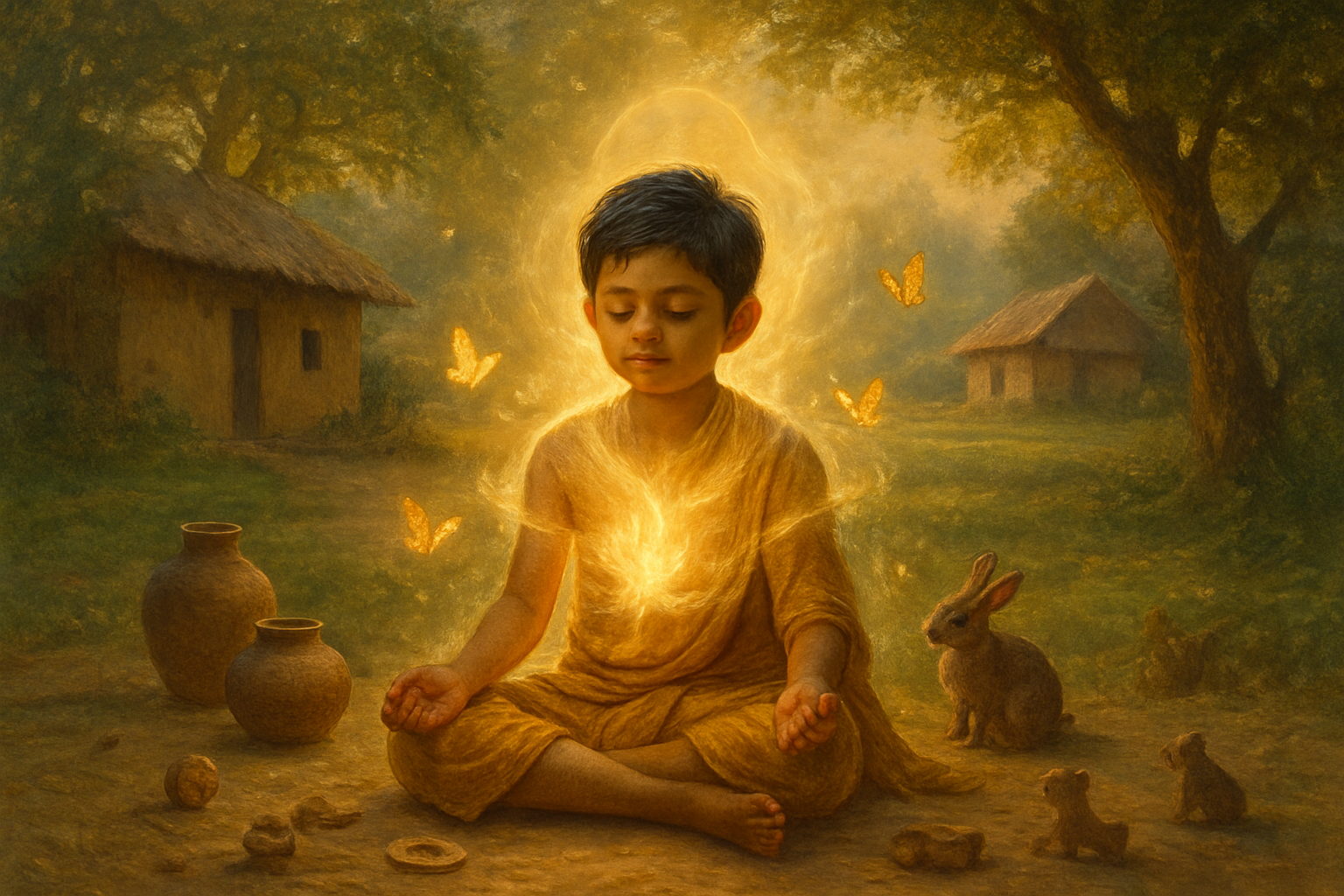
Lifting Mount Govardhan to protect devotees
When Krishna was just seven years old, he performed one of the most legendary feats in Hindu mythology. The village of Vrindavan faced torrential rains sent by the furious god Indra, who was angry that the villagers had chosen to worship Mount Govardhan instead of him. As deadly floods threatened to destroy everything the people held dear, young Krishna stepped forward with divine confidence.
With his little finger, Krishna lifted the entire Mount Govardhan like an umbrella, creating a massive shelter for all the villagers, their cattle, and belongings. For seven days and nights, he held the mountain steady while everyone took refuge underneath. The villagers watched in amazement as their beloved child displayed such incredible divine power, protecting them from nature’s wrath.
This Krishna divine miracle became a cornerstone of devotion, showing how the divine protects those who surrender with faith. The image of young Krishna holding up the mountain remains one of the most iconic representations in art and temple sculptures across India.
Conquering deadly serpent Kaliya in Yamuna river
The Yamuna river had become a death trap. Kaliya, a massive multi-headed serpent, had made the waters his home, poisoning everything with his venomous breath. Fish died instantly, birds fell from the sky just flying overhead, and no one dared approach the riverbank. The once-sacred waters that sustained Vrindavan had turned into a place of terror.
Krishna, playing with his friends near the forbidden waters, decided to end this menace once and for all. He climbed a tall tree and fearlessly jumped into the poisoned river. The moment he hit the water, Kaliya emerged with all his terrifying heads, ready to crush this bold intruder.
What followed was an epic battle between divine power and demonic force. Krishna wrestled with the serpent in the churning waters, displaying supernatural strength that no ordinary child could possess. The Krishna childhood stories tell us that he eventually subdued Kaliya completely, forcing the serpent to surrender.
Stealing butter and hearts of village women
The butter-stealing tales of Krishna reveal a playful side of divinity that captured everyone’s hearts. Young Krishna, with his irresistible charm and mischievous smile, would sneak into neighbors’ homes to steal freshly churned butter. He’d climb on furniture, break clay pots, and even recruit his friends to help in these delightful raids.
The village women, known as gopis, would pretend to be angry but secretly delighted in Krishna’s antics. They’d hide butter in high places, but Krishna always found creative ways to reach it. Sometimes he’d stack furniture, other times he’d form human pyramids with his friends, showing remarkable intelligence and leadership even in mischief.
These Krishna Leela tales aren’t just about a naughty child – they represent the soul’s longing for the divine. The butter symbolizes pure love and devotion, and Krishna’s stealing represents how divine love captures our hearts when we least expect it. The gopis’ complaints to his mother Yashoda became legendary conversations filled with both mock anger and deep affection.
Dancing on the hood of the venomous snake
After subduing Kaliya in the Yamuna waters, Krishna performed the most spectacular dance in divine history. Standing confidently on the serpent’s multiple hoods, he began an extraordinary dance that demonstrated complete mastery over death and evil. Each step pressed down on Kaliya’s pride, each movement showed divine grace conquering demonic power.
The dance wasn’t just a victory celebration – it was a cosmic performance that restored balance to nature. As Krishna danced, his divine energy purified the serpent, transforming Kaliya from a source of terror into a devotee. The serpent’s wives appeared and pleaded for mercy, recognizing Krishna’s supreme divinity.
This Krishna divine miracle shows how divine presence can transform even the most venomous situations into opportunities for redemption. The dancing Krishna became a powerful symbol in Hindu art, representing triumph over our inner demons and the joy that comes from spiritual victory. The Yamuna waters cleared, life returned to the river, and Vrindavan celebrated the return of their sacred waters.
Youth and the Enchanting Raas Leela Romance
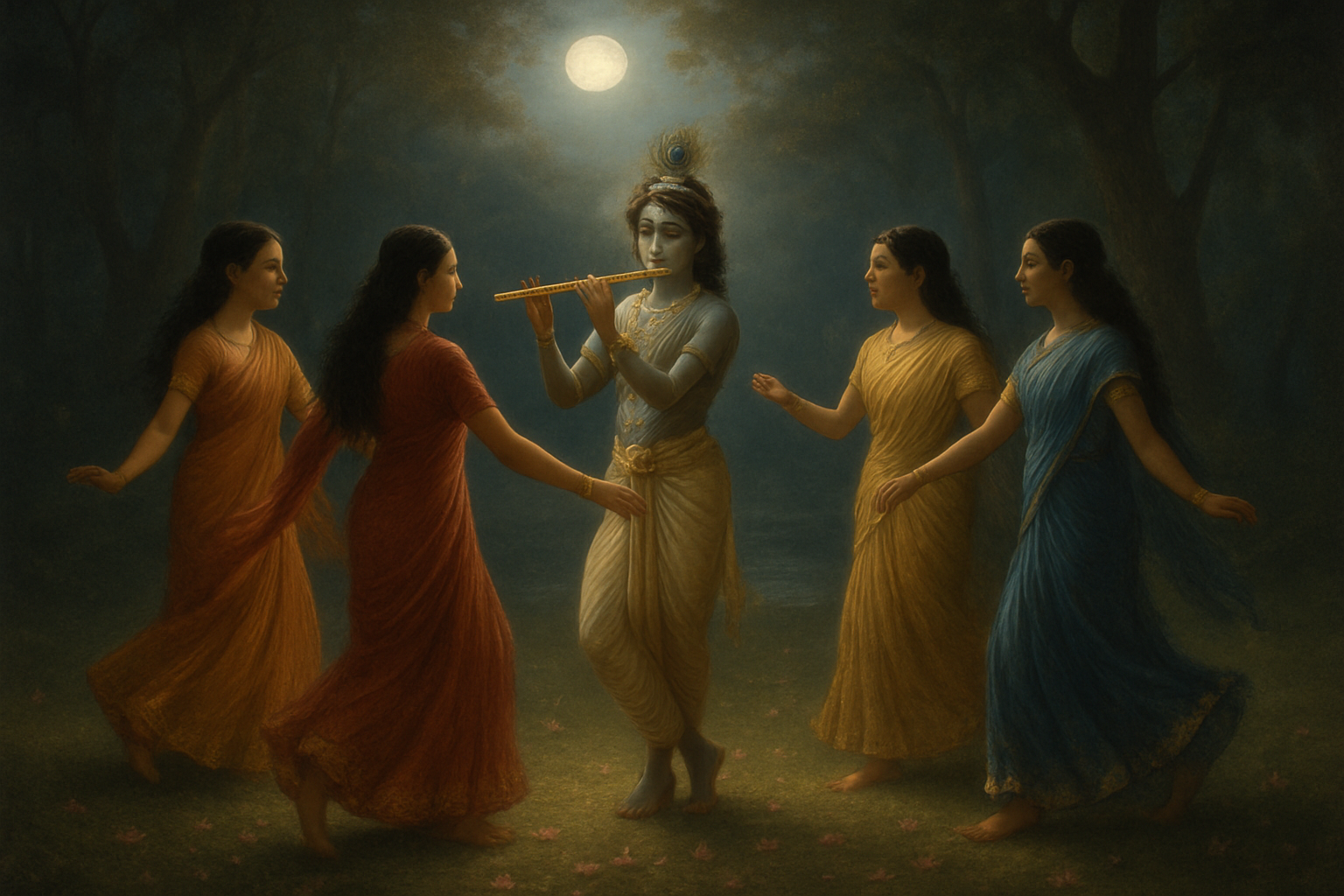
Mesmerizing Flute Melodies That Captivated Souls
The Krishna life story reaches its most enchanting phase when we witness the young cowherd’s magical relationship with his divine flute. Every note that flowed from Krishna’s bamboo flute carried an otherworldly power that could stop rivers in their tracks and make peacocks dance with abandon. The melody wasn’t just music – it was a cosmic call that resonated deep within every living being’s soul.
Village women would abandon their daily chores mid-task when Krishna’s flute echoed through the lanes of Vrindavan. Cows would stand motionless, their ears perked toward the divine sound, while birds fell silent to listen. The flute became Krishna’s signature, an extension of his divine nature that drew everyone into his celestial presence.
What made these melodies so irresistible was their ability to awaken dormant spiritual longing. Each tune carried different emotions – sometimes playful and mischievous, other times filled with divine love and yearning. The Raas Leela Krishna would later use these same melodies to call the gopis to their moonlit gatherings, creating moments of pure spiritual ecstasy.
Divine Love Story with Radha and Gopis
The heart of Krishna’s youth revolves around his profound relationships with Radha and the gopis of Vrindavan. Radha emerged as Krishna’s eternal beloved, representing the soul’s ultimate devotion to the divine. Their love transcended earthly romance, embodying the deepest spiritual connection between the individual soul and the Supreme.
The gopis, the cowherd maidens of Vrindavan, experienced an unprecedented form of divine love through their interactions with Krishna. These weren’t ordinary village girls – they were elevated souls who had achieved the highest state of devotion. Their love for Krishna was pure, selfless, and completely devoted to experiencing divine bliss.
Krishna’s playful nature manifested beautifully in his relationships with the gopis. He would hide their clothes while they bathed in the Yamuna river, not out of mischief but to teach them complete surrender and fearlessness. Each interaction carried profound spiritual lessons wrapped in seemingly simple pastoral activities.
The relationship between Krishna and Radha became the gold standard for divine love in Hindu spiritual tradition. Their separation and reunion cycles represented the eternal dance between the soul and the divine, showing devotees the path to ultimate spiritual fulfillment.
Moonlit Dance Performances Under Starry Skies
The Raas Leela represents the pinnacle of Krishna’s divine play during his youth. These weren’t ordinary dances but cosmic celebrations where the physical and spiritual realms merged into one ecstatic experience. Krishna would multiply himself to dance simultaneously with each gopi, giving every devotee the complete attention of the divine.
Picture autumn nights in Vrindavan when the full moon cast silver light across the sacred groves. The very atmosphere seemed to pulse with divine energy as Krishna’s flute called the gopis from their homes. They would leave everything behind, drawn by an irresistible spiritual force that promised ultimate fulfillment.
The dance itself defied all natural laws. Time stood still during these divine performances, with nights stretching into what felt like lifetimes of bliss. The gopis experienced such intense joy that they forgot their individual identities, merging completely into the divine consciousness that Krishna represented.
Each dance step carried cosmic significance. Krishna’s movements weren’t just physical expressions but divine gestures that maintained universal harmony. The gopis’ responses reflected the soul’s natural tendency to move in rhythm with divine will when ego barriers dissolve completely.
Spiritual Symbolism Behind the Eternal Love Tale
The Krishna Leela tales from this period contain layers of spiritual symbolism that have guided seekers for thousands of years. The love between Krishna and the gopis represents the relationship between the Supreme Divine and individual souls, showing how pure devotion can lead to complete spiritual transformation.
Radha’s role as Krishna’s beloved symbolizes the perfected soul that has achieved complete union with the divine. Her separation pangs when Krishna leaves for Mathura represent every devotee’s experience of divine longing, while their eternal connection shows that true spiritual love never diminishes.
The circular dance of Raas Leela symbolizes the cyclical nature of spiritual practice and realization. Each gopi’s position in the circle represents different stages of spiritual development, while Krishna at the center represents the unchanging divine presence around which all spiritual activity revolves.
The stealing of clothes episode teaches complete vulnerability and trust in the divine. When the gopis stood naked before Krishna without shame, they demonstrated the soul’s need to appear before God without the coverings of ego, pretense, or spiritual pride. This vulnerability becomes the gateway to receiving divine grace and experiencing true spiritual freedom.
Heroic Battles Against Evil Forces
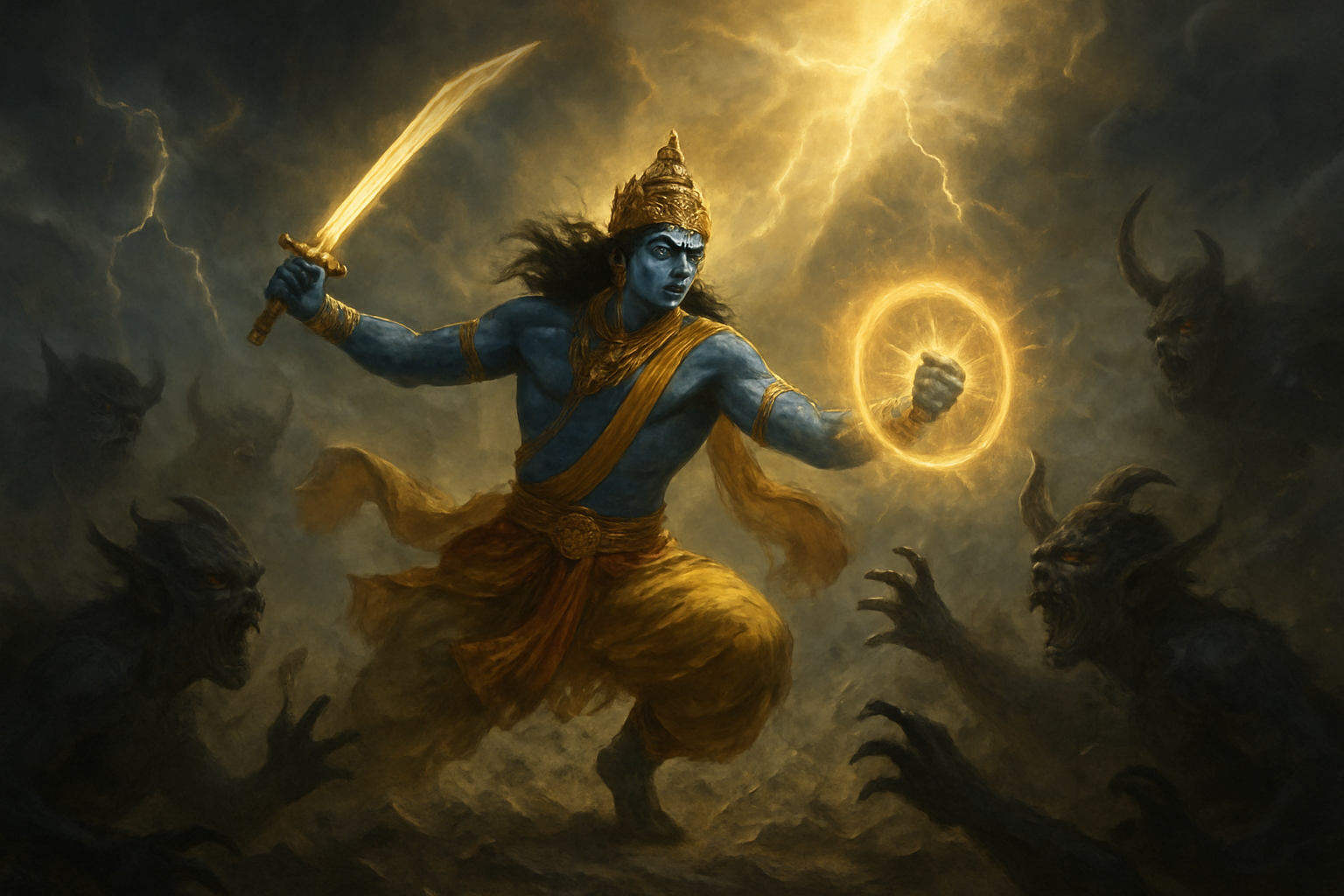
Slaying demon uncle Kamsa to fulfill destiny
The most pivotal battle in Krishna’s life story came against his own uncle, the tyrannical king Kamsa of Mathura. This wasn’t just any ordinary conflict – it was a cosmic showdown between good and evil that had been prophesied long before Krishna’s birth. Kamsa had imprisoned his own sister Devaki and her husband Vasudeva after hearing a divine voice declare that their eighth child would be his destroyer.
When Krishna returned to Mathura as a young man, he walked straight into what seemed like certain death. Kamsa had arranged a wrestling match featuring his most powerful champions, Chanura and Mushtika – warriors who had never tasted defeat. These weren’t regular fighters; they possessed supernatural strength and had crushed countless opponents with their bare hands.
The crowd watched in stunned silence as Krishna and his brother Balarama faced these giants. In moments that seemed to defy physics, Krishna lifted Chanura high above his head and slammed him to the ground with such force that the earth trembled. The victory wasn’t just physical – it represented the triumph of divine justice over oppression.
But the real confrontation came when Krishna leaped onto the royal platform where Kamsa sat. The demon king, realizing his end had come, fought with desperate fury. Their battle shook the very foundations of the palace as Krishna finally fulfilled the ancient prophecy, freeing Mathura from years of terror and restoring his grandfather Ugrasena to the rightful throne.
Defeating powerful enemies threatening dharma
Throughout his life, Krishna faced an endless parade of demons and supernatural enemies sent to destroy him. Each battle tested different aspects of his divine nature and strategic brilliance. The demon Putana arrived disguised as a beautiful woman, attempting to poison the infant Krishna with her toxic breast milk. Instead of falling victim to this deception, baby Krishna drained her life force, turning her evil intentions back upon herself.
The horse demon Keshi charged at Krishna with the speed of lightning, breathing fire and creating whirlwinds with his hooves. Krishna met this supernatural threat head-on, grabbing the demon’s jaws and tearing them apart with raw divine power. The battle demonstrated that no matter how fearsome the enemy appeared, righteousness would always find a way to prevail.
Aristasura, the bull demon, attacked with horns sharp enough to pierce mountains and strength that could uproot entire forests. Krishna didn’t rely solely on brute force – he used the demon’s own momentum against him, grabbing the horns and spinning the massive creature until its neck snapped. Each victory sent a clear message to the forces of darkness: their reign of terror had an expiration date.
The battles against these supernatural enemies weren’t random acts of violence. They represented Krishna’s role as the protector of dharma, ensuring that cosmic balance remained intact and that innocent people could live without fear of supernatural predators.
Strategic warfare wisdom in epic conflicts
Krishna’s greatest display of strategic brilliance came during the Kurukshetra war, where he served as Arjuna’s charioteer. While he had vowed not to take up weapons, his tactical genius became the deciding factor in the Pandavas’ victory. Krishna understood that winning wars required more than just superior firepower – it demanded psychological warfare, perfect timing, and the ability to exploit enemy weaknesses.
His strategy against Bhishma involved using Shikhandi, whose previous life as Amba gave him a unique advantage against the grand patriarch. Krishna knew that Bhishma’s own principles would become his downfall, and he orchestrated the battle accordingly. The plan worked flawlessly, as Bhishma laid down his weapons rather than fight against someone he perceived as a woman.
The defeat of Drona showcased Krishna’s understanding of human psychology. By spreading the news of Ashwatthama’s death (referring to an elephant, not Drona’s son), Krishna created the emotional devastation needed to make the otherwise invincible teacher vulnerable. These weren’t acts of deception but strategic moves to ensure dharma’s victory over adharma.
Krishna battles demons weren’t just physical confrontations – they were chess matches played on cosmic boards. His ability to see multiple moves ahead, combined with deep understanding of divine law, made him an unstoppable force against evil. Each strategic decision served the greater purpose of establishing righteousness and protecting the innocent from those who would destroy dharma itself.
Protecting innocent lives from supernatural threats
Beyond the famous battles, Krishna spent countless hours protecting ordinary people from supernatural dangers they couldn’t even comprehend. The lifting of Govardhan Hill stands as perhaps the most spectacular example of divine protection on a massive scale. When Indra unleashed devastating rains to punish the people for following Krishna’s advice to worship the hill instead of him, Krishna didn’t engage in direct combat with the king of gods.
Instead, he lifted the entire seven-mile-long mountain with his little finger, creating a massive umbrella that sheltered thousands of people and their livestock for seven straight days. Children played beneath this divine canopy while adults marveled at the impossible sight. The message was clear: no force in the universe, however powerful, could harm those under Krishna’s protection.
The battle against Kaliya, the poisonous serpent, protected not just the people of Vrindavan but all the cattle and wildlife that depended on the Yamuna river. Kaliya’s venom had turned the water toxic, killing fish and making the river unusable. Krishna dove into the deadly waters, wrestled with the multi-headed serpent, and danced on its hoods until it submitted. Rather than destroying Kaliya, Krishna showed mercy and sent the serpent to live peacefully in the ocean.
These acts of protection revealed Krishna’s compassionate nature. He never used more force than necessary, always seeking to reform rather than destroy when possible. His divine power served as a shield for the vulnerable, ensuring that supernatural threats couldn’t prey upon innocent souls who lacked the ability to defend themselves against cosmic-level dangers.
Revolutionary Teachings That Transform Lives
Profound wisdom shared in Bhagavad Gita
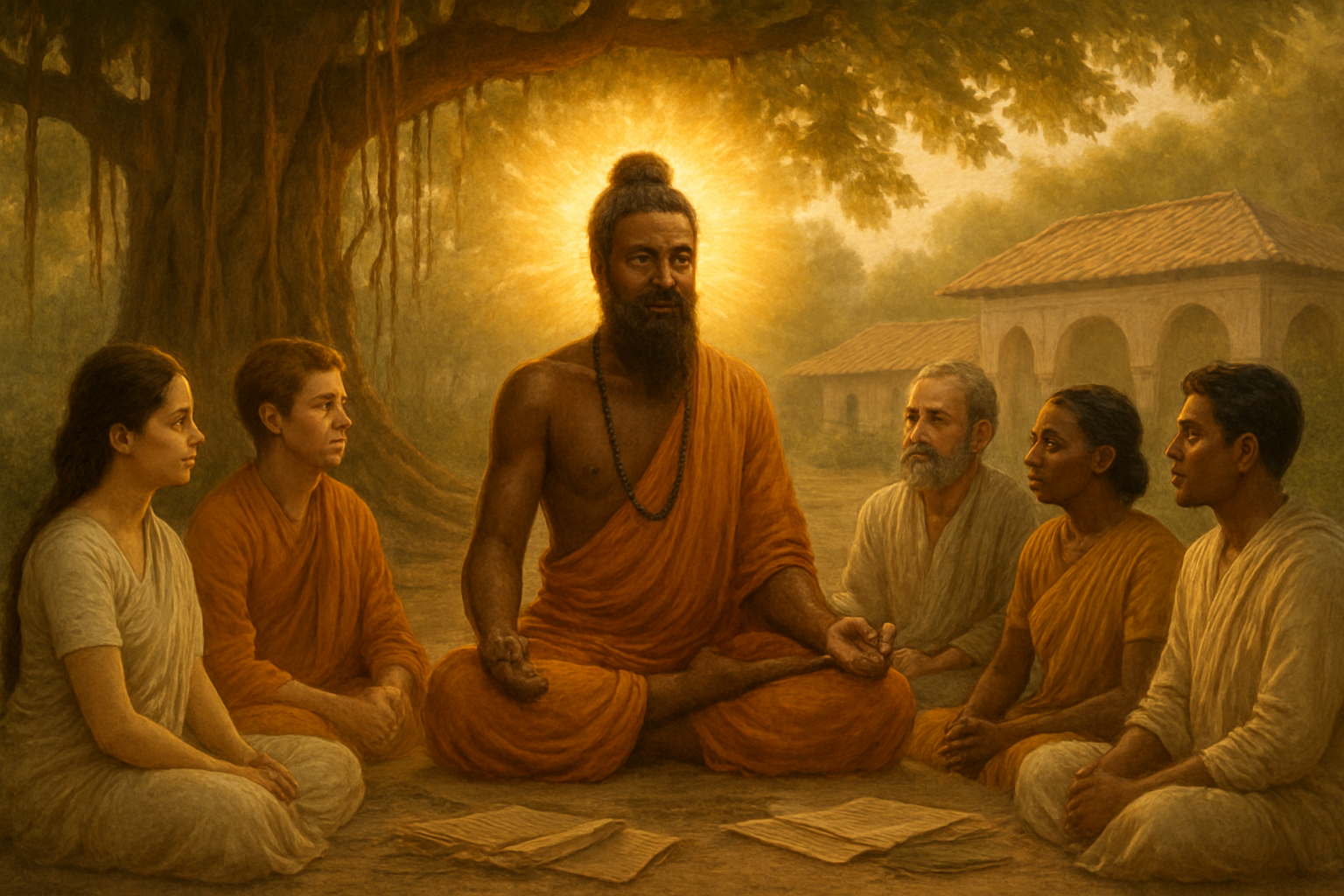
The Bhagavad Gita teachings represent the cornerstone of Krishna’s philosophical legacy. On the battlefield of Kurukshetra, when Arjuna faced moral crisis, Krishna delivered profound insights that continue to guide millions. The conversation between Krishna and Arjuna reveals layers of wisdom about life’s fundamental questions. Krishna explains the nature of the soul, the temporary nature of physical existence, and the eternal journey of consciousness. He introduces the concept of dharma – righteous duty – while addressing the universal struggle between action and inaction. These teachings transcend religious boundaries, offering practical wisdom for anyone seeking deeper meaning in life.
Practical life lessons for modern challenges
Krishna’s guidance remains remarkably relevant for contemporary struggles. His teachings address workplace stress, relationship conflicts, and decision-making dilemmas. When facing difficult choices, Krishna’s principle of detached action provides clarity. He teaches that focusing on effort rather than outcomes reduces anxiety and increases effectiveness. Modern professionals find solace in his message about performing duties without attachment to results. Relationships benefit from his emphasis on unconditional love and service. His teachings about controlling the mind help people manage negative emotions and cultivate inner strength during challenging times.
Understanding duty versus personal desires
The eternal conflict between duty and desire forms a central theme in Krishna’s teachings. He doesn’t advocate suppressing desires but rather aligning them with higher purposes. Krishna explains that true fulfillment comes from performing one’s duties while maintaining inner detachment. This doesn’t mean becoming emotionally cold, but rather developing the wisdom to act from love rather than selfish motives. He shows how duty performed with the right attitude becomes a path to liberation. Personal desires, when channeled toward service and growth, transform from obstacles into stepping stones for spiritual development.
Path to spiritual enlightenment and inner peace
Krishna outlines multiple paths to spiritual realization, recognizing that different temperaments require different approaches. The path of devotion appeals to those with loving hearts, while the path of knowledge suits analytical minds. The path of action serves those who find fulfillment in service. He emphasizes that any sincere spiritual practice, when performed with dedication, leads to the same ultimate goal. Regular meditation, selfless service, and studying sacred texts all contribute to spiritual growth. Krishna’s approach is inclusive and practical, meeting people where they are in their spiritual journey.
Timeless principles for righteous living
Krishna’s ethical framework provides a blueprint for righteous living that transcends cultural and temporal boundaries. His teachings emphasize truthfulness, compassion, and courage as foundational virtues. He advocates for standing up against injustice while maintaining inner peace. The principle of treating all beings with respect forms the basis of his social philosophy. Krishna teaches that righteousness isn’t about rigid rules but about acting with wisdom and love in each situation. His life demonstrates these principles through his actions, showing how divine consciousness expresses itself through human relationships and responsibilities.
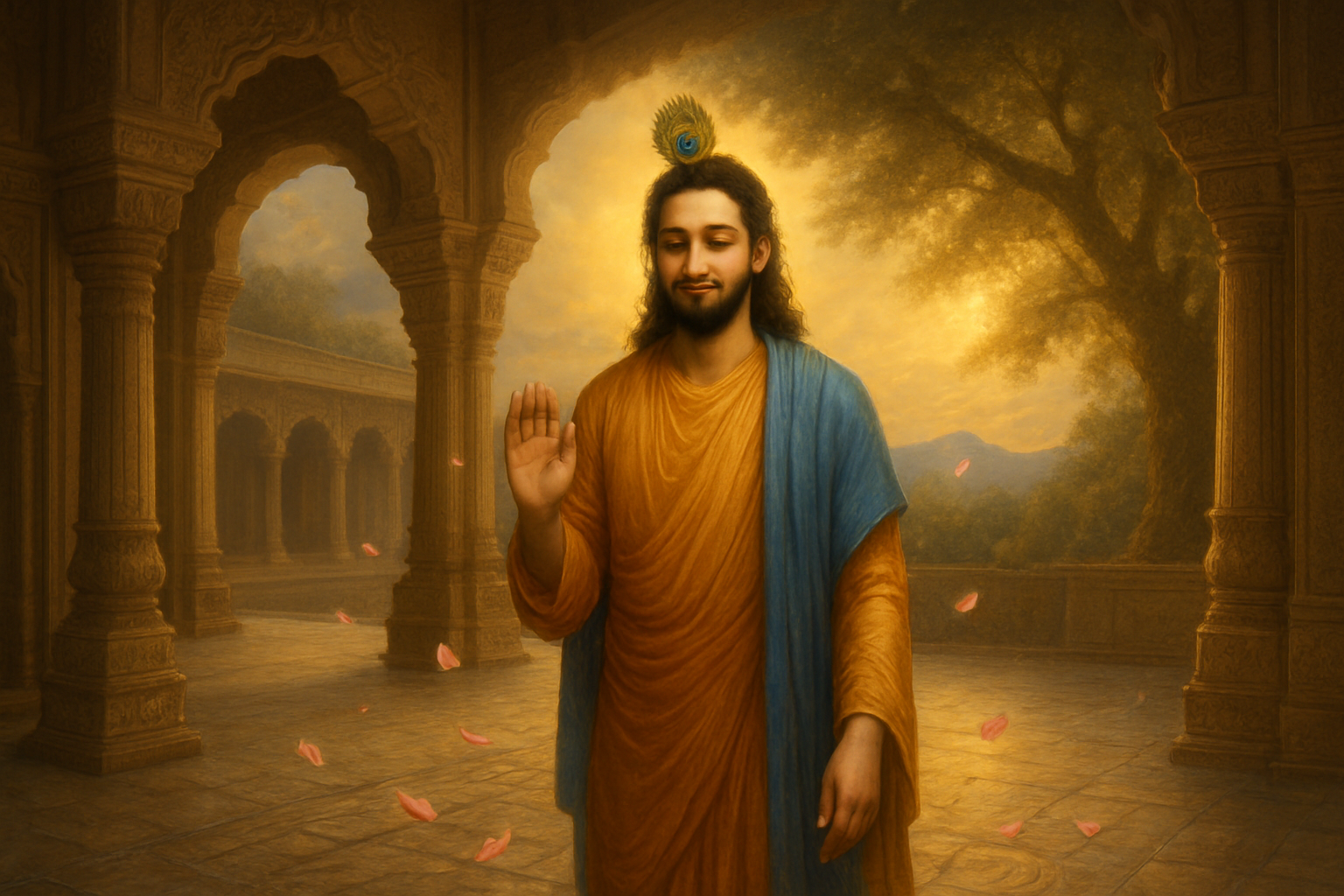 Krishna’s incredible journey from a miraculous birth to becoming one of history’s most beloved divine figures shows us that extraordinary power often comes wrapped in the most human experiences. His childhood pranks revealed divine strength, his romantic adventures with the gopis taught us about pure love, and his epic battles proved that good always finds a way to triumph over evil. The teachings he shared, especially through the Bhagavad Gita, continue to guide millions of people through life’s toughest challenges.
What makes Krishna’s story so compelling is how it mirrors our own struggles and joys while showing us what’s possible when we live with purpose and love. His life reminds us that we all have the potential for greatness within us, and that facing our battles with courage and wisdom can transform not just our own lives, but the world around us. Take a moment to reflect on which part of Krishna’s journey speaks to you most deeply – then let that inspiration guide your next steps forward.