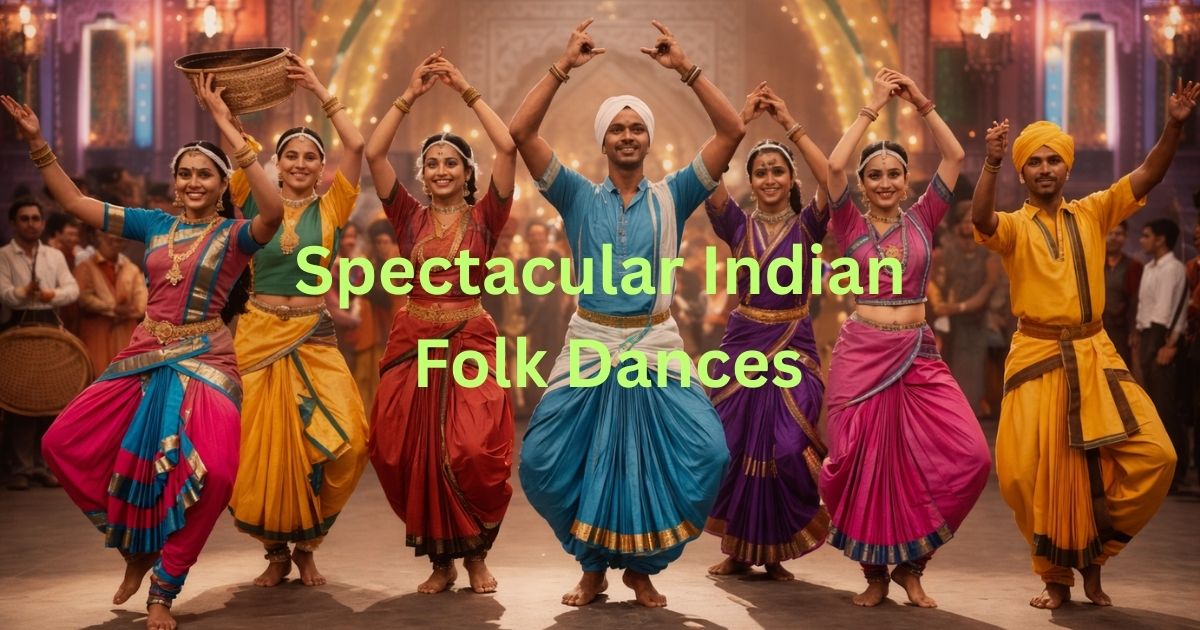
India’s rich tapestry of traditional Indian dance forms tells stories that have captivated audiences for centuries. This comprehensive guide is perfect for dance enthusiasts, cultural explorers, and anyone curious about India’s vibrant performing arts heritage.
Indian folk dances span every corner of the subcontinent, from the energetic bhangra of Punjab to the graceful Bharatanatyam of Tamil Nadu. Each regional folk dance carries unique stories, costumes, and movements that reflect local traditions and beliefs. Classical Indian dance forms like Kathak and Bharatanalyam have gained international recognition, while countless folk dance traditions continue to thrive in villages and cities alike.
You’ll discover the distinctive characteristics of northern, eastern, western, and southern India’s most celebrated dance forms. We’ll explore the intricate folk dance costumes and accessories that bring these performances to life, including colorful fabrics, traditional jewelry, and symbolic props. Finally, you’ll learn about modern learning opportunities that make Indian cultural dance accessible to beginners and experienced dancers worldwide.
Get ready to dive into India’s most spectacular folk dance traditions and understand why Indian dance heritage continues to mesmerize global audiences today.
Classical Indian Folk Dance Traditions That Captivate Global Audiences
Ancient Origins and Cultural Significance of Folk Dance Heritage
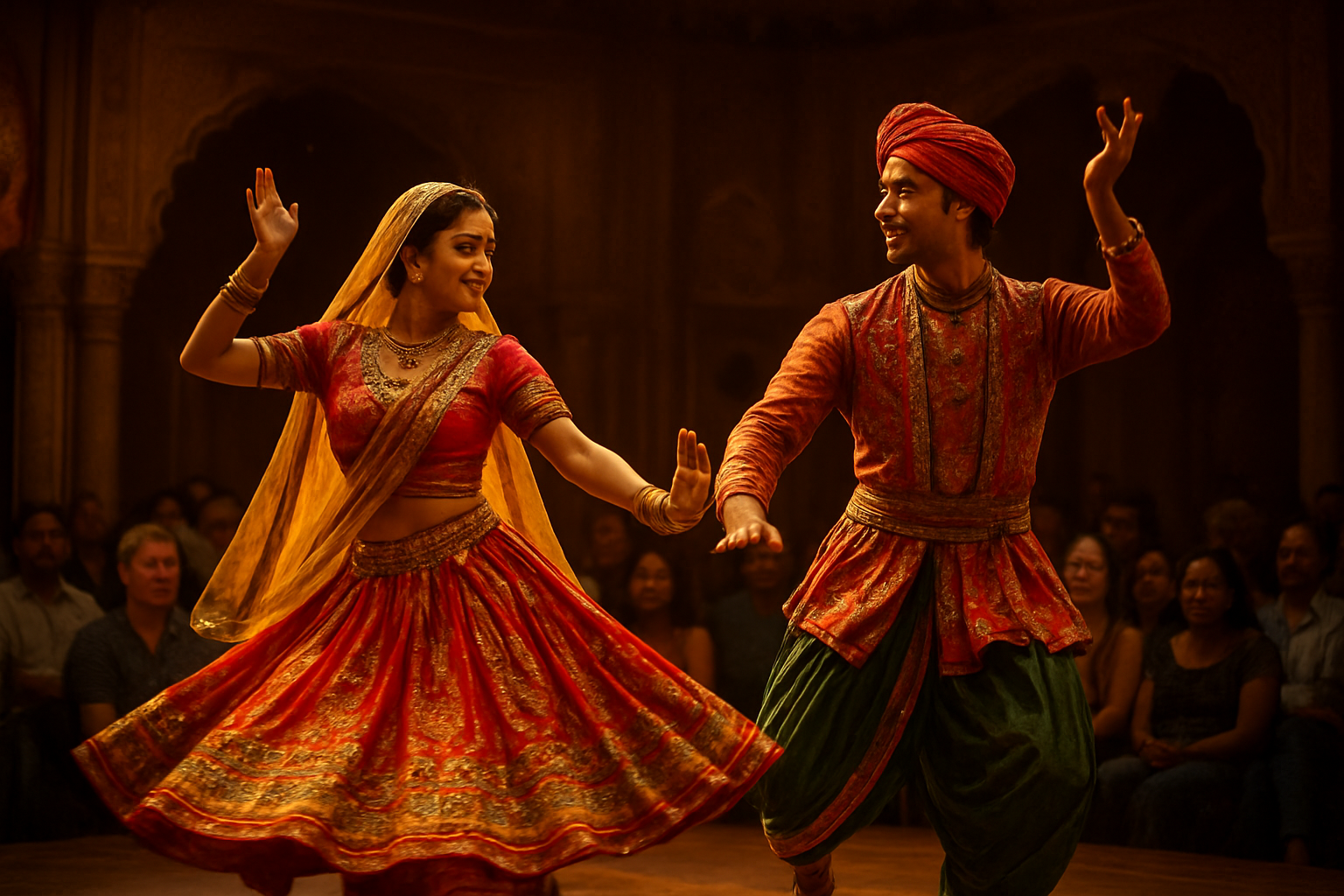
Indian folk dances trace their roots back thousands of years, emerging from the daily lives, rituals, and celebrations of local communities. These traditional Indian dance forms developed organically within villages, reflecting the unique customs, beliefs, and experiences of different regions. Unlike classical Indian dance styles that followed strict academic traditions, folk dances grew naturally from the people themselves.
Ancient texts like the Natya Shastra mention various regional dance practices, showing that folk traditions existed alongside more formal dance styles. These dances served multiple purposes – they were entertainment, spiritual expression, social bonding, and cultural preservation all rolled into one. Each movement, gesture, and rhythm carried deep meaning, often connecting performers and audiences to their ancestors and local deities.
The cultural significance of Indian folk dances extends far beyond mere performance. They represent living museums of human expression, preserving languages, customs, and stories that might otherwise disappear. Many dances honor agricultural cycles, celebrate harvests, or mark important life events like weddings and births. Through these performances, communities maintain their identity and pass down wisdom to younger generations.
Regional Variations That Showcase India’s Diverse Cultural Landscape
India’s vast geographical and cultural diversity has given birth to hundreds of distinct folk dance traditions. Each region has developed its own unique style, influenced by local climate, lifestyle, history, and religious practices.
Northern Regions feature energetic dances like Bhangra from Punjab, which celebrates the wheat harvest with vigorous shoulder movements and high kicks. Ghoomar from Rajasthan showcases graceful spinning movements that mirror the desert winds.
Eastern Areas contribute classical influences through dances like Jhumar from Bengal, which blends folk traditions with more refined movements. These dances often incorporate storytelling elements and devotional themes.
Western Coastal Regions bring maritime influences through dances like Lavani from Maharashtra, known for its quick tempo and expressive gestures. Gujarat’s Garba celebrates the divine feminine through circular formations and rhythmic clapping.
Southern States offer temple-influenced folk forms that bridge the gap between classical and folk traditions. Kerala’s Thiruvathira and Tamil Nadu’s Kummi demonstrate how regional folk dances India has developed maintain spiritual connections while celebrating community bonds.
Sacred and Festive Occasions That Inspire Dance Celebrations
Folk dance traditions are deeply woven into India’s religious and seasonal calendar. These performances transform ordinary gatherings into sacred celebrations, connecting participants with divine energies and community spirit.
Religious festivals provide the most common backdrop for folk dance performances. During Navratri, Gujarat comes alive with Garba and Dandiya, where thousands of dancers move in synchronized circles, creating a mesmerizing spectacle. Holi celebrations feature playful dances that mirror the festival’s joyous spirit, while Diwali brings performances that celebrate light triumphing over darkness.
Harvest festivals across different states showcase region-specific dance forms. Punjab’s Baisakhi features Bhangra performances that thank the earth for its bounty. Tamil Nadu’s Pongal includes folk dances that honor the sun god and celebrate agricultural abundance.
Life cycle ceremonies also incorporate traditional dance forms. Wedding celebrations feature specific dances for different rituals – from mehendi ceremonies to post-wedding celebrations. Birth ceremonies, coming-of-age rituals, and even funeral rites may include appropriate folk dance elements that mark these significant life transitions.
Seasonal changes inspire their own dance traditions. Monsoon arrival brings rain-welcoming dances, while winter festivals feature dances that build community warmth and connection during colder months.
Storytelling Elements That Preserve Historical Narratives
Indian folk dances serve as living libraries, preserving stories, legends, and historical events through movement and song. These performances keep oral traditions alive, passing down knowledge from generation to generation without written records.
Many regional folk dances India celebrates tell stories of local heroes, legendary love affairs, or significant historical events. Chhau dance from eastern India narrates episodes from the Mahabharata and Ramayana through elaborate masks and dynamic movements. Each gesture carries specific meaning, allowing audiences to follow complex storylines even without spoken words.
Folk dances also preserve social commentary and moral teachings. Through humor, satire, and dramatic expression, these performances address social issues, teach ethical behavior, and maintain cultural values. They often feature interactions between different character types, showing how communities should function and what behaviors to avoid.
The Indian dance heritage includes dances that commemorate battles, celebrate victories, or mourn losses. These historical narratives help communities maintain their identity and understand their place in the broader story of Indian civilization. The movements themselves become a form of historical documentation, encoding information about clothing, weapons, customs, and daily life from different eras.
Music and costumes support these storytelling elements, with specific instruments, melodies, and visual cues helping audiences understand the narrative being presented. This multi-sensory approach ensures that stories remain vivid and memorable across generations.
Northern India’s Vibrant Folk Dance Treasures
Bhangra’s Energetic Harvest Celebrations from Punjab
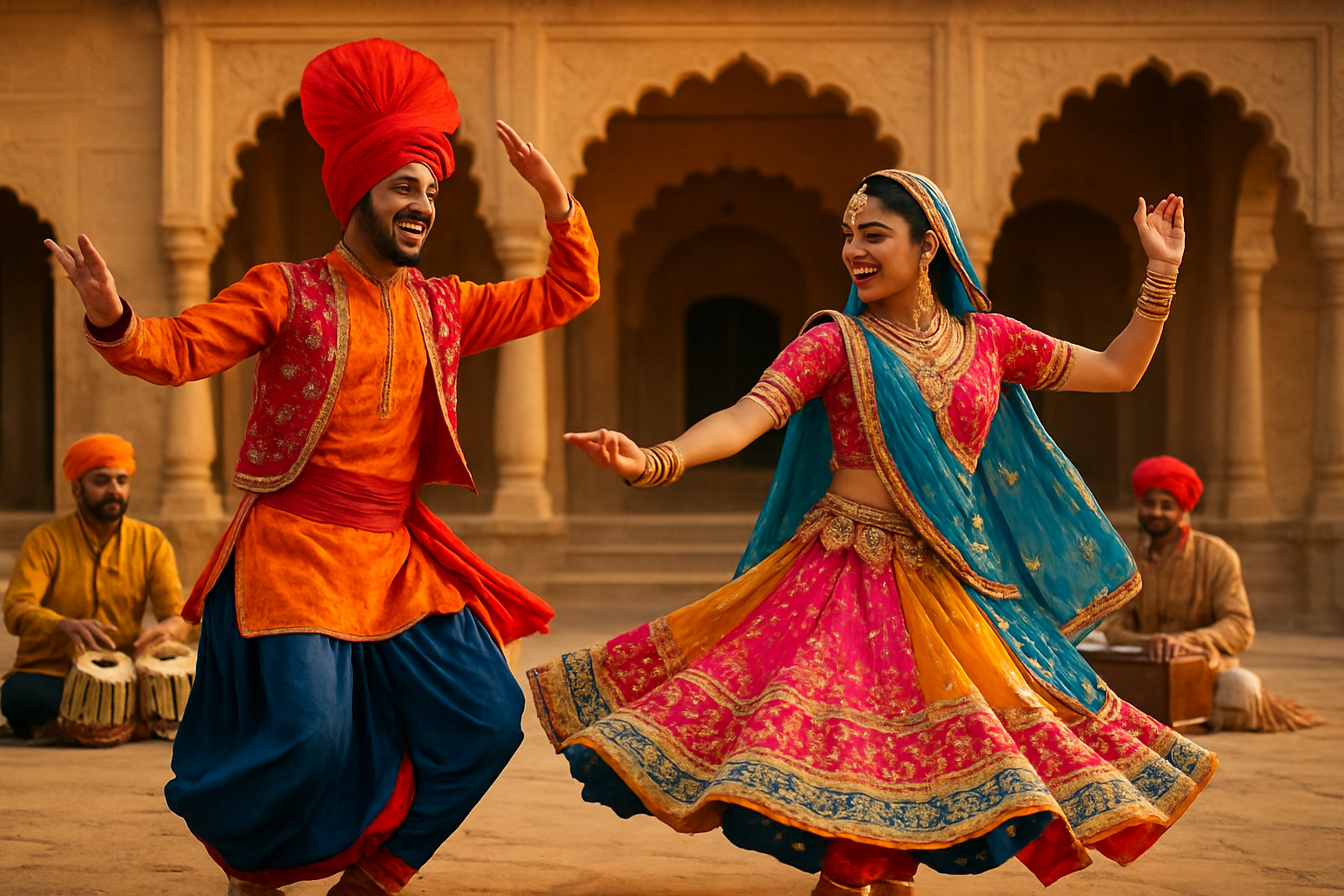
Bhangra bursts with raw energy and celebrates the joyous harvest season of Punjab. This traditional Indian dance form originated as a way for farmers to express their happiness after a successful crop harvest, particularly wheat. Men traditionally perform this vibrant dance, wearing colorful turbans and lungis while moving to the infectious beats of dhol drums.
The dance features powerful shoulder movements, high kicks, and dynamic hip rotations that mirror the agricultural work of plowing, sowing, and harvesting. Dancers often form circles and perform synchronized steps that build momentum throughout the performance. The folk dance costumes include bright kurtas, loose-fitting pants, and decorative accessories that enhance the visual spectacle.
Modern Bhangra has evolved beyond its agricultural roots, becoming a global phenomenon that represents Punjabi culture worldwide. Wedding celebrations, festivals, and cultural events frequently feature this energetic dance form, making it one of the most recognizable regional folk dances India has to offer.
Gidda’s Graceful Women’s Dance Traditions
Gidda represents the feminine counterpart to Bhangra, showcasing the elegant grace of Punjabi women. This traditional Indian dance form centers around storytelling through movement, with women forming circles and performing intricate hand gestures while singing folk songs called boliyan.
The dance emphasizes fluidity and coordination rather than high-energy movements. Performers wear vibrant salwar kameez with heavy jewelry, creating a mesmerizing visual display. The songs often tell stories of daily life, love, marriage, and social issues, making Gidda both entertainment and social commentary.
Women perform Gidda during festivals, weddings, and harvest celebrations, maintaining strong cultural connections across generations. The dance requires excellent timing and coordination as performers must synchronize their movements with complex rhythmic patterns while maintaining the storytelling element.
Kalbelia’s Mesmerizing Snake Charmer Performances from Rajasthan
Kalbelia stands among the most captivating Indian folk dances, performed by the Kalbelia community of Rajasthan. These traditional snake charmers developed this dance form to mimic serpentine movements, creating hypnotic performances that mirror the fluid motion of snakes.
Female dancers wear flowing black skirts adorned with intricate mirror work and silver thread embroidery. Their movements include graceful spins, undulating torso motions, and serpentine arm gestures performed to the accompaniment of been (snake charmer’s flute), dholak, and khanjari.
The dance holds deep cultural significance within the Kalbelia community, representing their traditional occupation and lifestyle. UNESCO recognized Kalbelia as an Intangible Cultural Heritage, highlighting its importance in preserving Indian cultural dance traditions. The performance art combines storytelling, music, and movement to create an enchanting experience that transports audiences into the mystical world of Rajasthan’s desert culture.
Rouf’s Elegant Group Formations from Kashmir
Rouf graces Kashmir with its sophisticated group choreography and elegant formations. This traditional Indian dance form involves women performing in even numbers, typically forming two parallel lines that create intricate geometric patterns through coordinated movements.
The dance showcases subtle beauty through gentle swaying motions, graceful hand gestures, and precise footwork. Performers wear traditional Kashmiri attire including colorful pherans (long robes) and elaborate jewelry that complement the dance’s refined aesthetic.
Rouf traditionally accompanies spring festivals and celebrations, particularly during the harvest of saffron and almonds. The dance reflects Kashmir’s natural beauty and cultural sophistication, with movements that echo the region’s serene landscapes and rich artistic heritage. The performance requires exceptional teamwork and precision, as dancers must maintain perfect synchronization while executing complex formation changes.
Eastern India’s Graceful Cultural Dance Forms
Bihu’s Joyful Spring Festival Celebrations from Assam
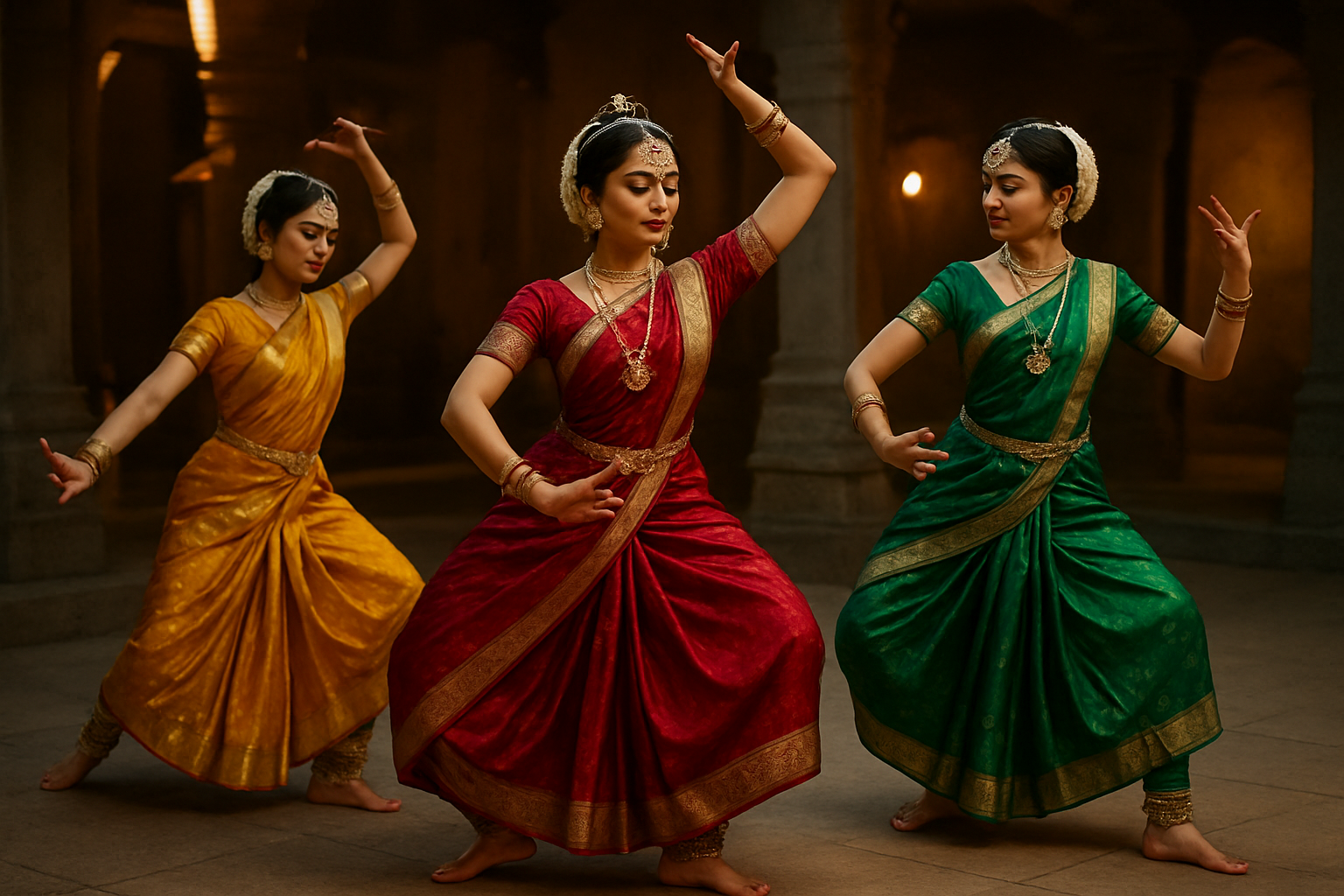
Bihu represents the heartbeat of Assamese culture, celebrating the arrival of spring with infectious energy and community spirit. This vibrant folk dance form marks three distinct festivals throughout the year – Bohag Bihu (spring), Kati Bihu (autumn), and Magh Bihu (winter). The most spectacular celebration occurs during Bohag Bihu, also known as Rongali Bihu, when entire villages come alive with music, dance, and festivity.
Dancers perform in groups, with young men and women creating mesmerizing patterns through synchronized movements. Men wear traditional white dhotis and colorful gamosas (traditional Assamese towels), while women don beautiful mekhela chadors in bright hues. The dance emphasizes quick, vigorous steps that mirror the joy of harvest season and new beginnings.
Traditional instruments like dhol, pepa, taal, and gogona create the rhythmic foundation for these performances. The beats are fast-paced and energetic, encouraging spontaneous participation from spectators. Bihu songs, called Bihu geet, accompany the dance with lyrics celebrating love, nature, and agricultural abundance.
What makes Bihu special among Indian folk dances is its inclusive nature – anyone can join the circle and dance along. The movements are relatively simple yet expressive, focusing on circular formations and hand gestures that tell stories of rural life. This accessibility has helped preserve Bihu traditions across generations while maintaining its authentic charm.
Chhau’s Dramatic Masked Dance Theatre
Chhau stands as one of India’s most dramatic traditional Indian dance forms, combining martial arts, acrobatics, and storytelling into a powerful theatrical experience. Originating from the eastern states of West Bengal, Jharkhand, and Odisha, this masked dance theatre has three distinct styles: Seraikella, Mayurbhanj, and Purulia Chhau.
The most striking feature of Chhau performances is the elaborate masks that transform dancers into gods, demons, animals, and mythological characters. These masks, crafted from papier-mâché and decorated with vivid colors, completely cover the dancer’s face, forcing them to convey emotions entirely through body language and movement.
Stories from the Ramayana, Mahabharata, and Puranas come alive through these performances. Dancers undergo rigorous training in martial arts, gymnastics, and classical dance techniques to master the demanding physical requirements. The acrobatic elements include high jumps, spins, and combat sequences that require exceptional strength and agility.
Each style has its unique characteristics:
- Seraikella Chhau: Known for grace and lyrical movements
- Mayurbhanj Chhau: Performed without masks, emphasizing facial expressions
- Purulia Chhau: Features the most elaborate masks and vigorous movements
The performances typically take place during spring festivals, particularly during Chaitra Parva. Musicians accompany the dancers with traditional instruments like dhol, shehnai, and flute, creating an atmosphere that transports audiences into ancient mythological worlds.
Jhumar’s Rhythmic Harvest Dance Traditions
Jhumar emerges from the agricultural heartlands of eastern India, particularly Bihar, Jharkhand, and parts of West Bengal. This energetic folk dance celebrates successful harvests and marks important seasonal transitions. The name “Jhumar” derives from the rhythmic swaying movements that characterize this dance form.
Farmers and rural communities perform Jhumar during festival seasons, especially after harvest time when granaries are full and spirits are high. The dance reflects the hard work and joy of agricultural life through its robust movements and earthy rhythms. Groups of men typically perform this dance, though women also participate in certain regional variations.
The costumes are simple yet colorful – men wear dhotis with bright turbans or headbands, often decorated with feathers or flowers. The movements emphasize strong, grounded steps that connect dancers to the earth, symbolizing their relationship with the land they cultivate.
Traditional percussion instruments drive the rhythm, including:
- Madal: A double-headed drum providing the main beat
- Dhol: Large drums creating powerful bass rhythms
- Manjira: Small cymbals adding metallic accents
- Kartal: Wooden clappers maintaining tempo
The dance formations often involve circles or lines of dancers moving in unison. The steps include stomping, jumping, and swaying motions that create a hypnotic visual pattern. Songs accompanying Jhumar performances tell stories of village life, love, nature, and the cycles of planting and harvesting that define rural existence in eastern India.
Western India’s Dynamic Folk Dance Heritage
Garba’s Colorful Circle Dances from Gujarat
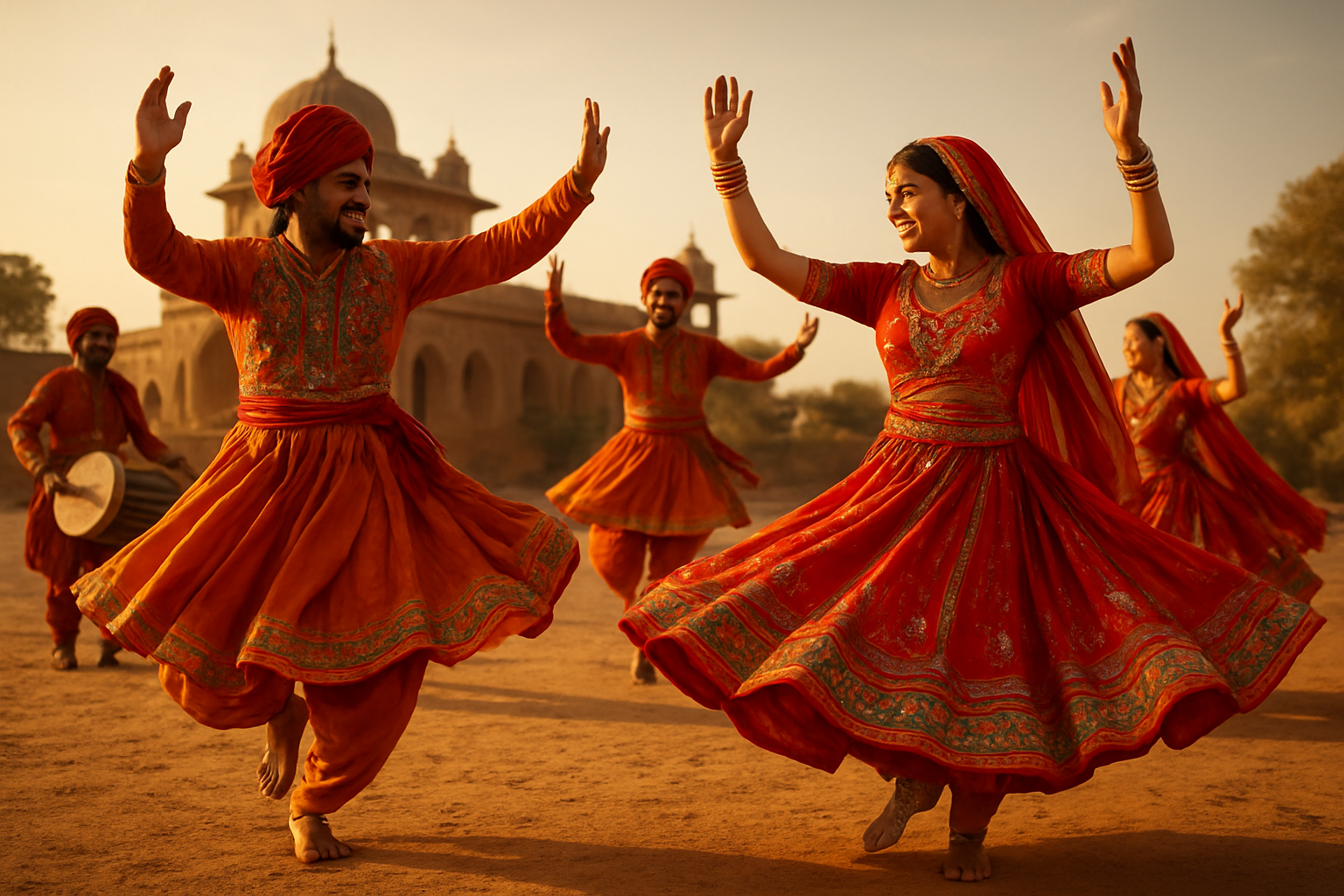
Garba stands as one of India’s most celebrated traditional Indian dance forms, bringing communities together through its infectious energy and spiritual devotion. Originating from Gujarat, this vibrant dance celebrates the divine feminine through graceful circular movements that mirror the cyclical nature of life itself. Dancers form concentric circles around a central lamp or image of Goddess Durga, moving in synchronized steps that create mesmerizing patterns.
The dance reaches its peak during Navratri, when entire communities gather in colorful attire to perform these sacred movements. Women traditionally wear chaniya cholis in brilliant hues of red, yellow, green, and orange, while intricate mirror work and embroidery catch the light as dancers spin. The rhythmic clapping and swaying movements tell stories of devotion, with each gesture carrying deep cultural significance.
Modern Garba has evolved into elaborate celebrations featuring live orchestras, professional choreographers, and thousands of participants. These events showcase the dance’s ability to unite people across generations, with grandparents dancing alongside grandchildren in joyous celebration of Indian cultural dance traditions.
Lavani’s Bold and Expressive Performances from Maharashtra
Lavani embodies the fierce spirit of Maharashtra through its powerful, sensual movements and compelling storytelling. This regional folk dance combines dramatic facial expressions with rhythmic footwork, creating performances that captivate audiences with their emotional intensity. Dancers wear nine-yard sarees in vibrant colors, adorning themselves with heavy jewelry that accentuates each movement.
The dance form traditionally served as both entertainment and social commentary, with performers addressing contemporary issues through witty lyrics and bold choreography. Lavani dancers master the art of abhinaya (expression), using their eyes, hands, and body language to convey complex emotions and narratives. The accompanying music features the dholki drum, creating pulsating rhythms that drive the energetic performances.
Professional Lavani artists undergo years of training to perfect the demanding hip movements and intricate footwork that define the style. The dance requires exceptional stamina and flexibility, as performers execute rapid-fire movements while maintaining perfect timing with the music.
Ghoomar’s Twirling Elegance from Rajasthan
Ghoomar showcases the grace and dignity of Rajasthani culture through its elegant spinning movements and regal bearing. This Indian folk dance tradition originated in royal courts, where women performed these graceful rotations to welcome warriors returning from battle. The dance’s signature feature involves dancers spinning continuously while managing heavy, flowing skirts that create stunning visual effects.
Performers wear traditional ghagra cholis with intricate gota work and mirror embellishments that sparkle as they twirl. The jewelry includes elaborate maang tikkas, necklaces, and bangles that add musical accompaniment to the movements. Ghoomar requires perfect balance and control, as dancers must maintain smooth, flowing rotations while keeping their upper bodies steady and graceful.
The dance varies across different regions of Rajasthan, with each area adding unique steps and styling elements. Some versions incorporate storytelling elements, while others focus purely on the meditative quality of the spinning movements.
Dandiya Raas’s Stick Dance Spectacles
Dandiya Raas transforms simple wooden sticks into instruments of rhythm and celebration, creating spectacular displays of coordination and timing. This energetic folk dance tradition pairs dancers who strike colorful dandiya sticks in intricate patterns while moving in circular formations. The dance requires precise timing, as missed beats can disrupt the entire group’s rhythm.
The choreography builds from simple stick-striking patterns to complex sequences involving partner changes, formations, and acrobatic elements. Skilled dancers create thunderous rhythms as hundreds of sticks strike simultaneously, producing a symphony of percussive sounds that blend with traditional music.
Professional Dandiya performances feature elaborate costume designs with flowing fabrics that enhance the visual spectacle. The dance promotes teamwork and community bonding, as participants must work together to maintain the intricate patterns and timing that make Dandiya Raas such a thrilling Indian dance heritage experience.
Southern India’s Artistic Dance Legacies
Karagattam’s Balanced Pot Dance from Tamil Nadu
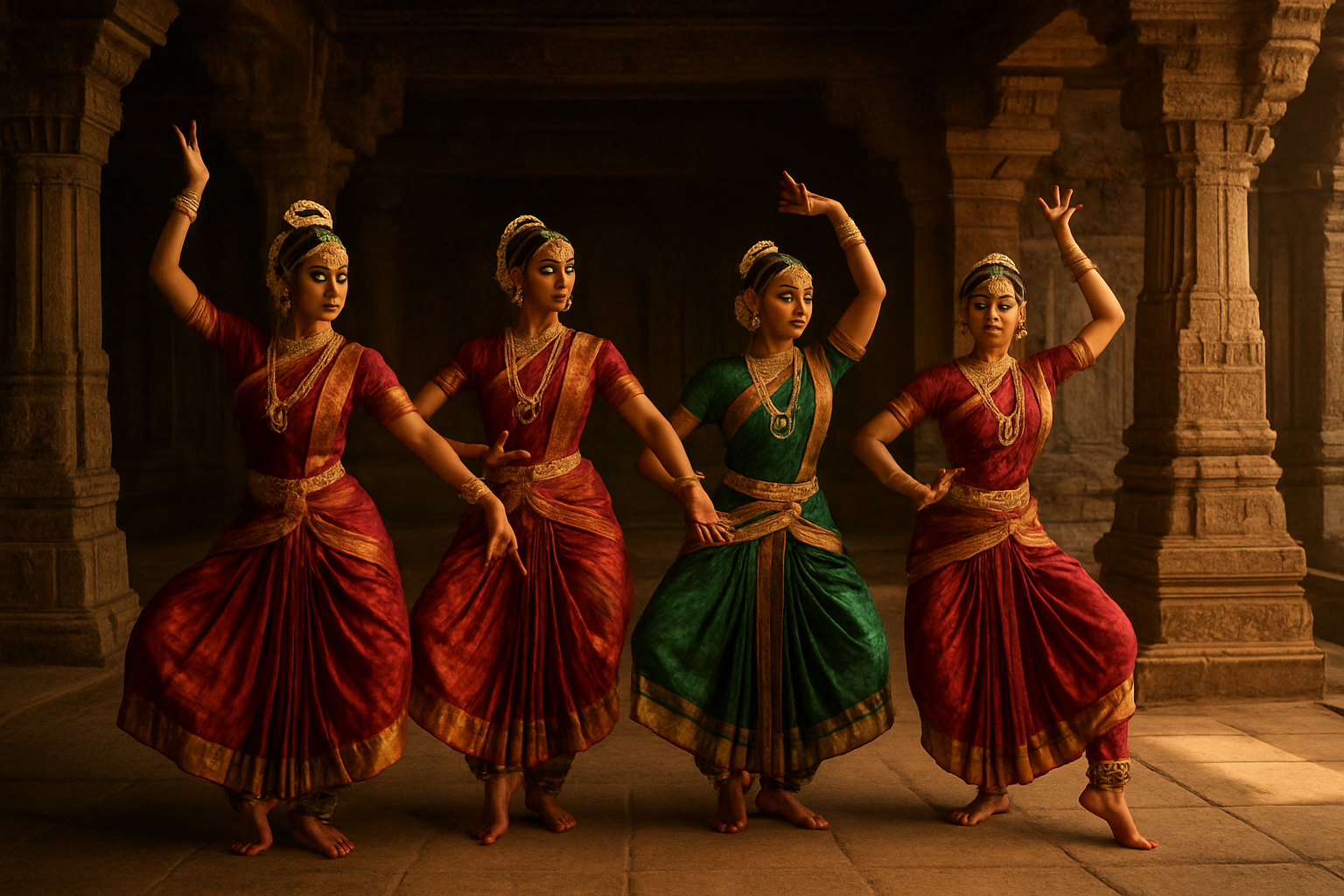
Karagattam represents one of the most mesmerizing traditional Indian dance forms, where performers balance ornate clay pots on their heads while executing intricate movements. This ancient art form originated in Tamil Nadu villages as a tribute to Mariamman, the goddess of rain and fertility. Dancers carry beautifully decorated pots filled with water, flowers, or rice, creating a stunning visual spectacle that combines spiritual devotion with athletic prowess.
The dance requires exceptional balance and coordination as performers navigate complex choreography without dropping their precious cargo. Traditional music accompanies the performance, featuring drums, cymbals, and folk songs that narrate stories of village life and divine blessings. Colorful costumes enhance the visual appeal, with dancers wearing vibrant saris and intricate jewelry that catches the light as they move.
Theyyam’s Divine Ritual Performances from Kerala
Theyyam transforms performers into living deities through elaborate makeup, towering headdresses, and dramatic costumes that can take hours to prepare. This sacred ritual dance from Kerala blends mythology with theatrical performance, creating an otherworldly experience for audiences. Each Theyyam represents a different deity or ancestral spirit, with over 400 distinct forms documented across the region.
The transformation process involves applying natural pigments in intricate patterns, donning massive ornamental headpieces, and wearing layered costumes that can weigh several pounds. Performers enter a trance-like state during the dance, believed to channel divine energy while executing powerful movements that tell ancient stories. The rhythmic beating of drums and chanting creates an intense atmosphere that captivates spectators and participants alike.
Yakshagana’s Theatrical Dance Drama from Karnataka
Yakshagana combines elements of dance, music, dialogue, and elaborate storytelling in performances that can last entire nights. This theatrical dance form from Karnataka features performers in spectacular costumes and makeup portraying characters from Hindu epics like the Ramayana and Mahabharata. The art form requires years of training to master its unique blend of classical movements and folk expressions.
Performers wear distinctive headgear called “mundasu” and colorful costumes that represent different character types – heroes, demons, kings, and divine beings. Face painting follows traditional patterns, with each color and design carrying specific meaning. The accompanying music features traditional instruments like chende drums, maddale, and jagatta, creating dynamic rhythms that enhance the dramatic narrative.
Kuchipudi Village’s Folk Dance Traditions from Andhra Pradesh
While classical Kuchipudi gained international recognition, the village folk traditions of Kuchipudi maintain their own unique charm and cultural significance. These regional folk dances India celebrates often incorporate elements from the classical form while preserving local customs and storytelling traditions. Village performances feature group dances with simpler costumes and more accessible choreography that allows community participation.
The folk variations emphasize rhythmic patterns and collective movement, creating opportunities for social bonding during festivals and celebrations. Traditional instruments like mridangam, violin, and flute provide musical accompaniment, while dancers wear regional costumes that reflect local textile traditions and craftsmanship.
Oyilattam’s Handkerchief Dance Variations
Oyilattam showcases the graceful manipulation of colorful handkerchiefs as primary dance props, creating flowing patterns and visual poetry through movement. This Tamil Nadu folk dance requires precise coordination between multiple performers who weave in and out of formations while maintaining perfect timing with their handkerchief movements. The dance typically celebrates harvest seasons and community festivals.
Performers wear traditional attire with flowers in their hair and practice synchronized movements that create beautiful geometric patterns in the air. The handkerchiefs, often made of silk or cotton in bright colors, become extensions of the dancers’ expressions, flowing like gentle waves or snapping like flags in celebration of life’s joyous moments.
Essential Costumes and Accessories That Enhance Performance Beauty
Traditional Fabric Choices That Reflect Regional Identity
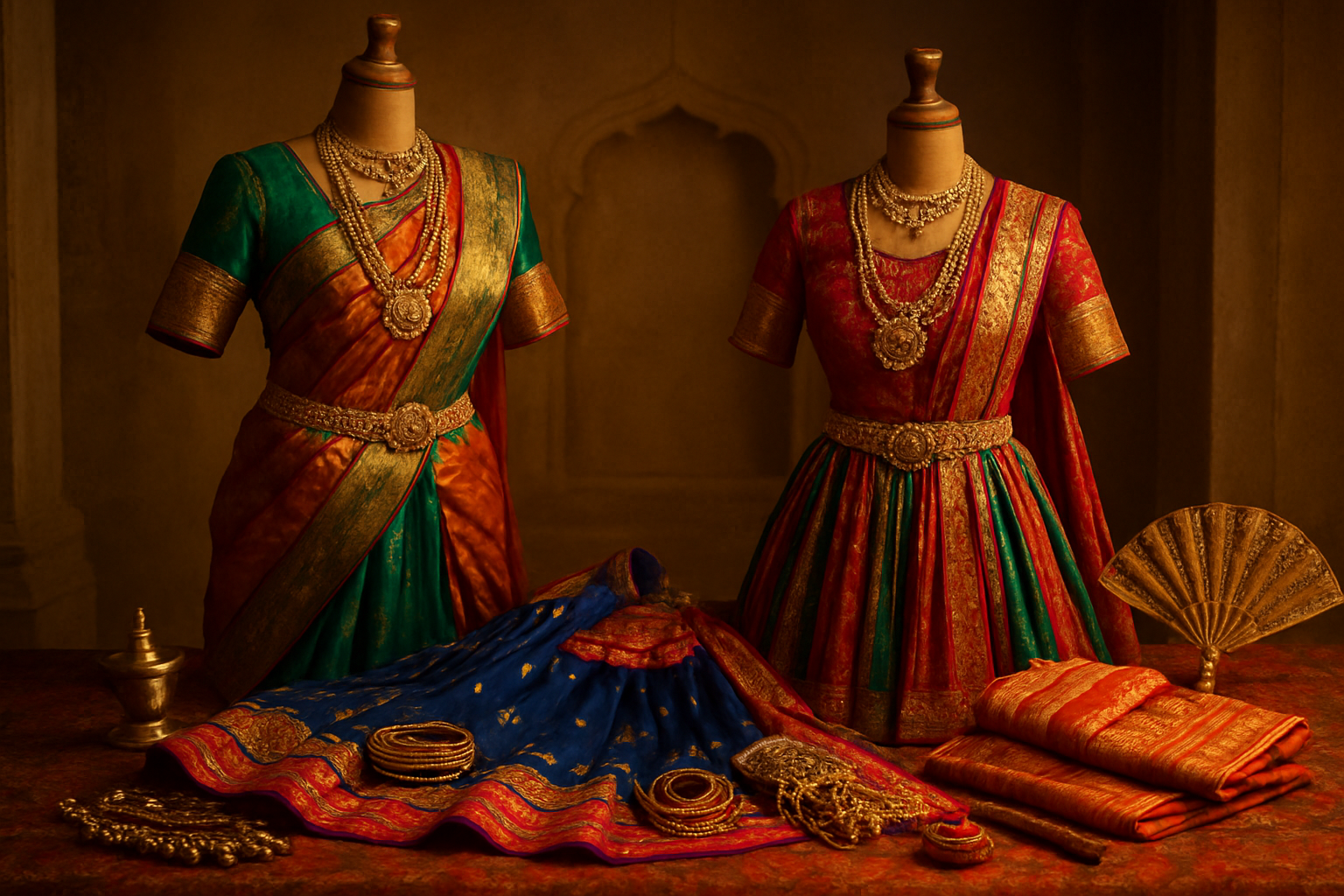
The fabrics used in Indian folk dances serve as visual storytellers, each thread woven with centuries of cultural heritage. Silk remains the most prestigious choice across most regional folk dance costumes, with different varieties reflecting local weaving traditions. Kanjivaram silk dominates South Indian dance forms like Bharatanatyam, while Banarasi silk finds its place in North Indian classical performances.
Cotton plays an equally important role, especially in folk dance traditions where dancers need freedom of movement. Handloom cotton from different states carries distinct characteristics – Bengali tant cotton creates the flowing drapes of Manipuri dance costumes, while Khadi cotton provides the rustic authenticity needed for rural folk performances.
Regional textiles tell unique stories through their origins. Rajasthani folk dancers often wear vibrant bandhani (tie-dye) fabrics that catch light beautifully during spins and twirls. Gujarati Garba dancers favor mirror-work fabrics that sparkle under traditional lamps. Bengali folk dancers choose soft cotton that moves gracefully with their gentle gestures.
The weave itself carries meaning – tight weaves like those found in South Indian silks create structured silhouettes perfect for classical precision, while loose weaves allow the fluid movements essential to many folk traditions. Master costume designers carefully select fabrics that won’t restrict dancers while maintaining authenticity to their cultural roots.
Jewelry and Ornaments That Complete Authentic Looks
Traditional Indian dance jewelry transforms performers into living embodiments of cultural artistry. Each piece serves both aesthetic and symbolic purposes, creating a complete visual narrative that enhances the storytelling aspect of folk dance traditions.
Temple jewelry dominates classical and folk dance costumes, featuring intricate designs inspired by South Indian temple architecture. These pieces include elaborate necklaces, chandelier earrings, and forehead ornaments that catch stage lights beautifully. The weight and movement of these accessories actually help dancers maintain proper posture and timing.
Regional variations create distinct jewelry styles for different folk dance forms:
- Rajasthani folk dances: Heavy silver jewelry with colorful stones and dangling elements that accentuate hip movements
- Bengali folk traditions: Delicate gold-toned pieces including the iconic choker necklaces and decorative hair pins
- Punjabi folk dances: Bold, chunky jewelry pieces that can withstand energetic movements like those in Bhangra
- South Indian classical forms: Elaborate temple jewelry sets including the distinctive nethi chutti (forehead piece)
Hair ornaments deserve special attention, as they complete the transformation from everyday appearance to divine performer. Fresh flowers like jasmine and marigolds are woven into elaborate hairstyles, while decorative pins and chains add sparkle and movement. These accessories must be secured properly to survive vigorous dance movements while maintaining their visual impact.
Color Symbolism That Conveys Cultural Meanings
Colors in Indian folk dance costumes carry deep spiritual and cultural significance that goes far beyond mere aesthetic choices. Each hue tells a story, conveys emotions, and connects dancers to ancient traditions that have guided costume selection for generations.
Red dominates many folk dance costumes, symbolizing prosperity, fertility, and auspicious beginnings. Bharatanatyam dancers often wear deep red saris that represent the divine feminine energy, while Kathak performers use red accents to convey passion and strength. The intensity of red varies by region – South Indian traditions favor darker, more saturated reds, while North Indian folk dances might incorporate brighter, more vibrant shades.
Gold threads and fabrics represent wealth, purity, and divine connection. The metallic shimmer creates visual drama under stage lighting while honoring the belief that gold brings good fortune. Many classical costumes combine gold with other colors to create balance and visual interest.
White holds sacred meaning across most Indian dance traditions, representing purity, peace, and spiritual enlightenment. Some folk dances use white as the primary color during religious festivals or devotional performances. Green symbolizes new beginnings, harvest, and fertility, making it popular for folk dances celebrating agricultural cycles.
Blue connects performers to divine energy, particularly representing Krishna’s spiritual presence. Yellow brings warmth, knowledge, and prosperity to costume choices. Master costume designers carefully balance these colors to create visual harmony while respecting traditional meanings that enhance the spiritual dimension of each performance.
Learning Opportunities for Folk Dance Enthusiasts
Finding Qualified Instructors and Dance Schools
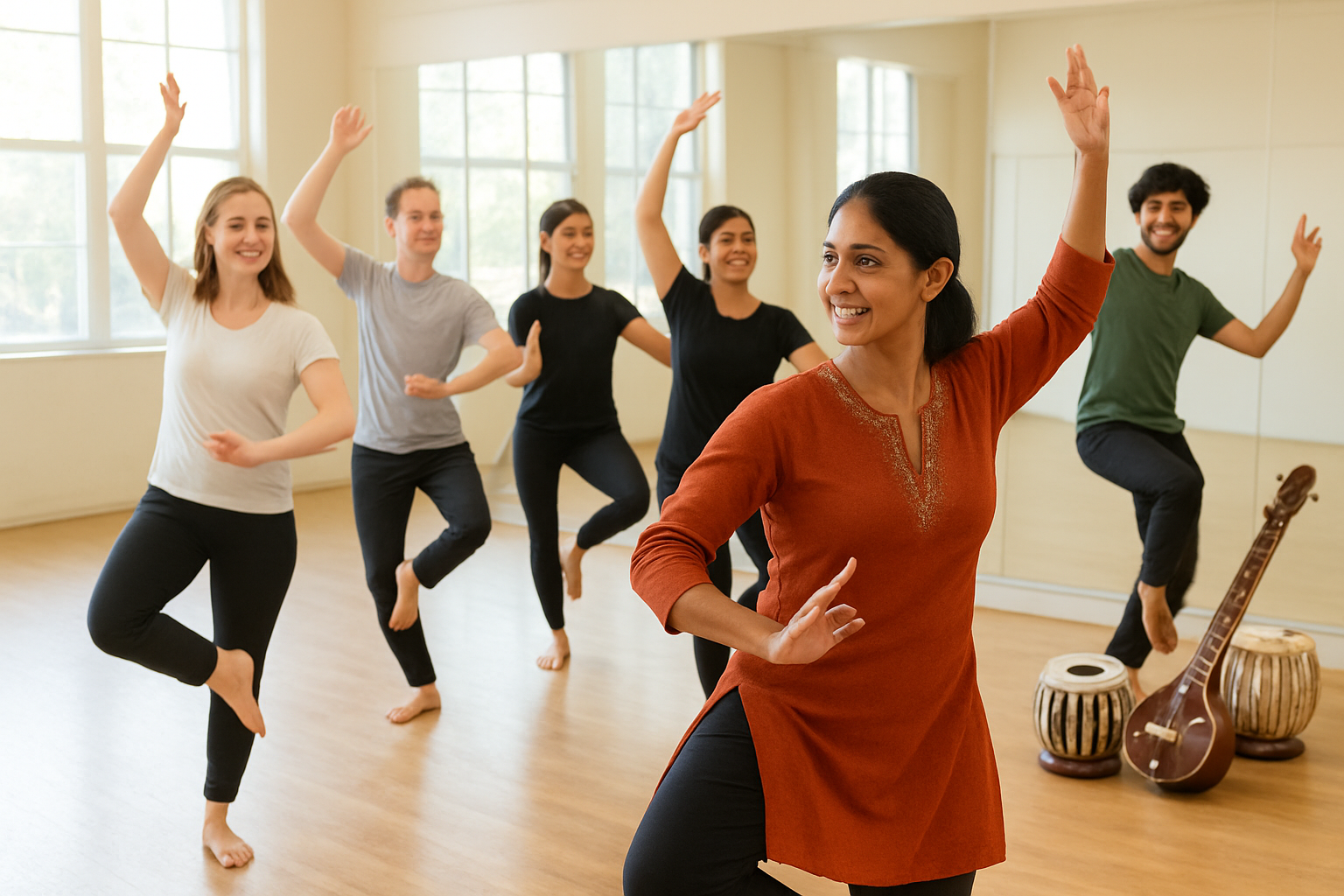
The journey into Indian folk dances begins with finding the right mentor who understands both the technical aspects and cultural significance of these traditional Indian dance forms. Look for instructors who have trained under renowned gurus or have formal education from recognized dance institutions. Many qualified teachers have backgrounds in classical Indian dance forms like Bharatanatyam or Kathak, which provides them with a solid foundation for teaching regional folk dances India offers.
Dance schools specializing in Indian cultural dance typically offer structured programs that progress from basic movements to complex choreographies. Research schools that emphasize authentic techniques and cultural context rather than just entertainment value. Check their performance history, student testimonials, and whether they participate in cultural festivals. The best instructors will teach you not just the steps, but the stories and traditions behind each dance form.
Online Resources for Beginner-Friendly Training
Digital platforms have revolutionized access to traditional Indian dance forms, making it possible to learn from master teachers regardless of location. YouTube channels run by established dance schools offer free introductory lessons covering basic postures, hand gestures, and footwork patterns. Paid platforms like dance-specific apps and online academies provide structured curricula with progressive skill levels.
Many online courses focus on popular folk dance traditions like Bhangra, Garba, and Kuchipudi, offering step-by-step breakdowns that beginners can follow. Interactive features like live feedback sessions and virtual workshops help bridge the gap between online learning and traditional classroom instruction. These resources work best when combined with occasional in-person guidance.
Cultural Centers That Offer Authentic Learning Experiences
Community cultural centers serve as treasure troves for authentic Indian folk dance education. These centers often host visiting artists, seasonal workshops, and immersive programs that connect students with the cultural roots of each dance form. Many centers focus on specific regional traditions, allowing you to dive deep into the folk dance heritage of particular states.
Local Indian cultural associations frequently organize dance classes as part of their community programming. These settings provide natural opportunities to learn alongside others who share an appreciation for Indian dance heritage. The instructors at cultural centers often come from traditional backgrounds and can share personal experiences and family traditions that textbooks cannot convey.
Festival Participation for Hands-On Experience
Nothing accelerates learning like performing alongside experienced dancers during cultural celebrations. Diwali festivals, Holi celebrations, and regional cultural events welcome enthusiastic participants who want to join group dances. These experiences teach you how folk dance costumes move with the body and how different elements come together in live performance.
Many festivals offer pre-event workshops where beginners can learn simple choreographies specifically designed for group participation. This approach removes performance pressure while providing authentic cultural immersion. Festival participation also exposes you to live music, traditional instruments, and the communal spirit that makes Indian folk dances so captivating. The energy and joy of festival dancing often inspire students to pursue more formal training in their chosen dance style.
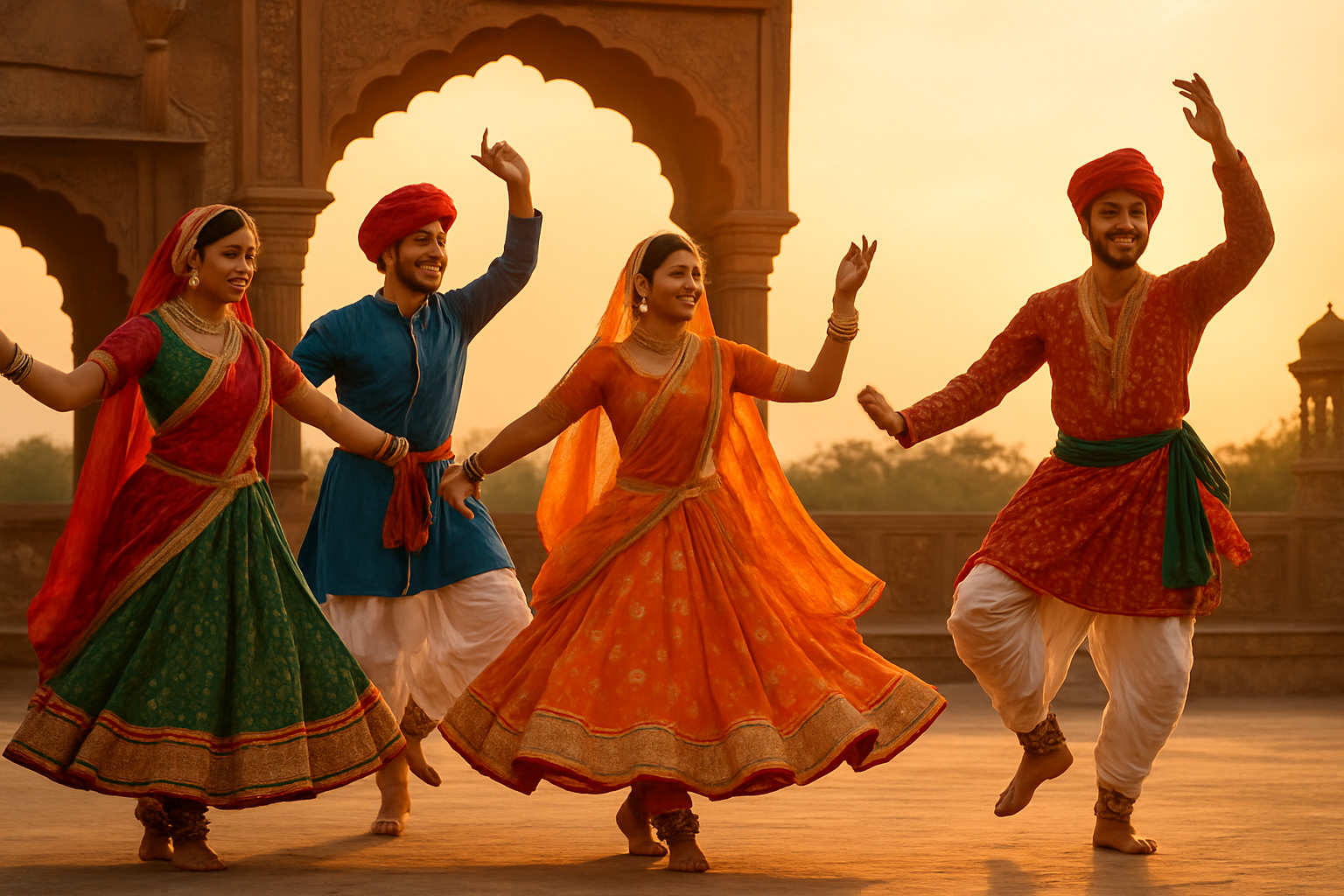
Folk dances across India tell the stories of diverse communities, each region bringing its own unique flavor and cultural richness to the stage. From the energetic bhangra of Punjab to the graceful Manipuri dances of the northeast, these traditional art forms continue to mesmerize audiences worldwide with their intricate movements, vibrant costumes, and deep-rooted spiritual significance.
If you’re drawn to the beauty and cultural depth of Indian folk dance, there’s never been a better time to explore this incredible world. Many dance schools and cultural centers now offer classes for beginners, and online resources make it easier than ever to learn about different regional styles. Start by watching performances, attending local cultural events, or even trying a beginner’s class – you’ll discover that Indian folk dance isn’t just about movement, but about connecting with centuries of tradition and storytelling that continues to thrive today.